

Big Beautiful Bill Cuts Health Aid and Changes Tax Rules for Low‑income
The One Big Beautiful Bill Act, signed in 2025, reduces federal health funding and alters tax and SNAP policies, threatening coverage for seniors and low‑income Americans.

big beautiful bill: overview of the new law
The One Big Beautiful Bill Act (OBBBA), signed by President Trump in 2025, slashes federal health funding and modifies tax, SNAP and defense allocations. The changes threaten health coverage for seniors, low‑income Americans and immigrants, and raise insurance premiums for many Californians.
U.S. House approves sweeping tax bill in a win for Trump
The legislation passed the U.S. House earlier this year, bundling tax reforms with the health‑care cuts. While the tax provisions received attention, the health‑care reductions are the most consequential for vulnerable populations.
Behind the ‘Beautiful’ Bill
Critics note that the bill’s name masks its impact. Medicare patients like Giana Knight in Mountain View report that several providers have stopped accepting Medicare, limiting access to care. Psychiatrist Geri Weitzman says her premiums doubled from $700 to $1,400 after the enhanced marketplace subsidies expired.
What are clients getting wrong about tax changes? OBBBA compliance updates for 2027
Tax professionals warn that the expiration of enhanced premium tax credits revives the “income cliff,” where a modest rise in earnings can disqualify families from subsidies. This creates new hurdles for those transitioning between Medi‑Cal and Covered California, as highlighted by Veronica Walter, a Newark teacher who fears losing her free coverage.
Medicaid work requirements and enrollment challenges
The act introduces strict work‑requirement criteria for non‑pregnant adults aged 19‑64, demanding proof of volunteering, schooling or 80 hours of work each month. Policy analyst Akash Pillai of KFF explains that similar rules in earlier Trump administrations led to disenrollment due to paperwork errors, missing notices and language barriers.
Patients such as a single mother described by therapist Donna Lera have faced threats of losing funding unless they meet the new mandates, underscoring the administrative burden.
Impact on doctors and Medicare payments
Although the bill raises the Medicare conversion factor by 3.26 %, it simultaneously lowers the value of work Relative Value Units for non‑time‑based services by 2.5 %. With inflation outpacing these adjustments, many practices can no longer sustain Medicare patients and are shifting toward privately insured patients.
For a broader political context, see the Democrats win sweep in Congress article.
Sources: M-A Chronicle, Reuters, Thomson Reuters tax.
Frequently asked questions
What is the One Big Beautiful Bill Act (OBBBA)?
How does the bill affect health insurance premiums in California?
What new work requirements does the bill impose for Medicaid eligibility?
Are doctors facing financial pressure because of the bill?
Related stories

రామాయణం Releases as Visual Spectacle; Ranbir Kapoor Shines as Rama
The epic Telugu film రామాయణం hits screens, showcasing cutting‑edge 3D visuals and performances by Ranbir Kapoor as Rama and Yash as Ravana.

Parent Trends Shift: Preference for Girls Over Boys Grows in the US
A new wave of data shows that more parents in the United States are opting for daughters, reversing a centuries‑old bias toward sons, with IVF clinics reporting up to 80%…

Molly Miller Leads Arizona State to Dominant Home Opener Win
Molly Miller's second season with the Sun Devils began with a crushing 84‑41 victory over Jackson State, sparking viral attention and setting a strong tone.
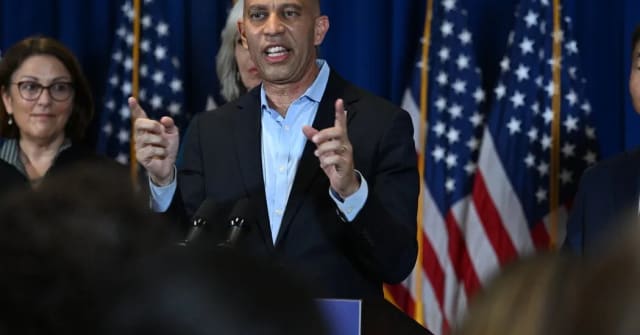
Democrats Win Sweep in Congress and Shape New House Election Results
Democrats secured major congressional majorities following a sweeping leftward swing in the midterm elections, altering the power balance in Washington.