China rejects India’s recent Ladakh map naming
In a press briefing in Beijing, spokesperson Mao Ning asserted that the Indian government’s decision to officially label 28 locations in the Ladakh Union Territory is “unilateral” and “illegal”. The Chinese foreign ministry said it does not recognise the so‑called Ladakh centre‑administered region and rejected the new standard names.
India’s official naming of 28 sites
At the start of October, India’s Survey of India released a list of 28 places and geographic features in Ladakh, assigning them standardized names on the official map. The move was presented as a step to improve cartographic accuracy, aid security‑related patrols and raise public awareness of border‑area geography.
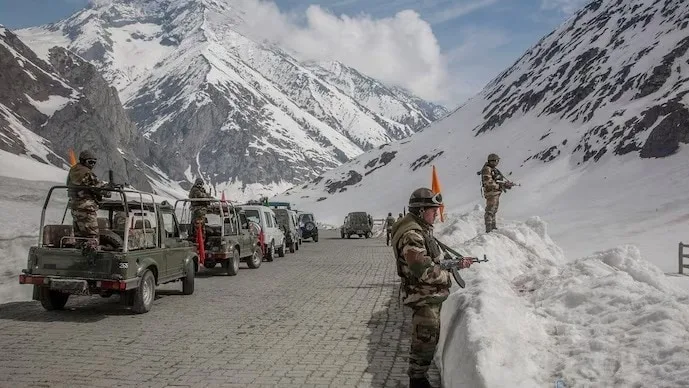
Among the highlighted points are Gogra and Hot Spring, both lying close to the Line of Actual Control (LAC) and remembered for the 2020 clash between Indian and Chinese troops. Other entries include passes such as Chapchingle Pass, peaks like Kanishk Peak, and glacial zones such as Parpik Glacier.
Strategic background
The 2020 confrontation began on 5 May in the Pangong Tso area and later involved the Gogra‑Hot Spring sector. Both sides agreed in 2022 to a disengagement process, but the area remains sensitive. India says the naming exercise was carried out after consultation with Ladakh administration and local stakeholders.
China’s counter‑statement
During the same press conference, Mao Ning reiterated that the western sector of the China‑India border has historically been part of China. He described India’s map decision as “non‑legal” and said it does not alter the factual status of the boundary.
India’s diplomatic reply
Foreign Ministry spokesperson Randeep Jaiswal responded that Ladakh is an “integral and indivisible” component of the Indian Union, a position that remains unchanged regardless of Beijing’s objections. He emphasized that the Survey of India’s naming was transparent, based on official surveys and local input.
What may follow
The exchange adds another layer to the already delicate Sino‑Indian border dialogue. While both capitals maintain that the status‑quo along the LAC is being respected, the public statements signal a willingness to project national narratives domestically and internationally. No immediate change in troop deployment has been reported, but the diplomatic rhetoric could influence future negotiations on border management.
Analysts note that the dispute over nomenclature mirrors broader strategic competition, and that any escalation would likely be managed through existing disengagement mechanisms.
For readers tracking other regional developments, South India braces for easterly winds as the northeast monsoon retreats offers insight into concurrent weather‑related challenges across the subcontinent.
Sources: AajTak, Dainik Bhaskar, India TV Hindi.