

Cnbc: Moonshot AI Looks to Lease Nvidia Blackwell GPUs in Europe
Moonshot AI, a Chinese artificial‑intelligence lab, is negotiating with European data‑center operators to rent Nvidia's advanced Blackwell GPUs after U.S. export limits blocked direct shipments.
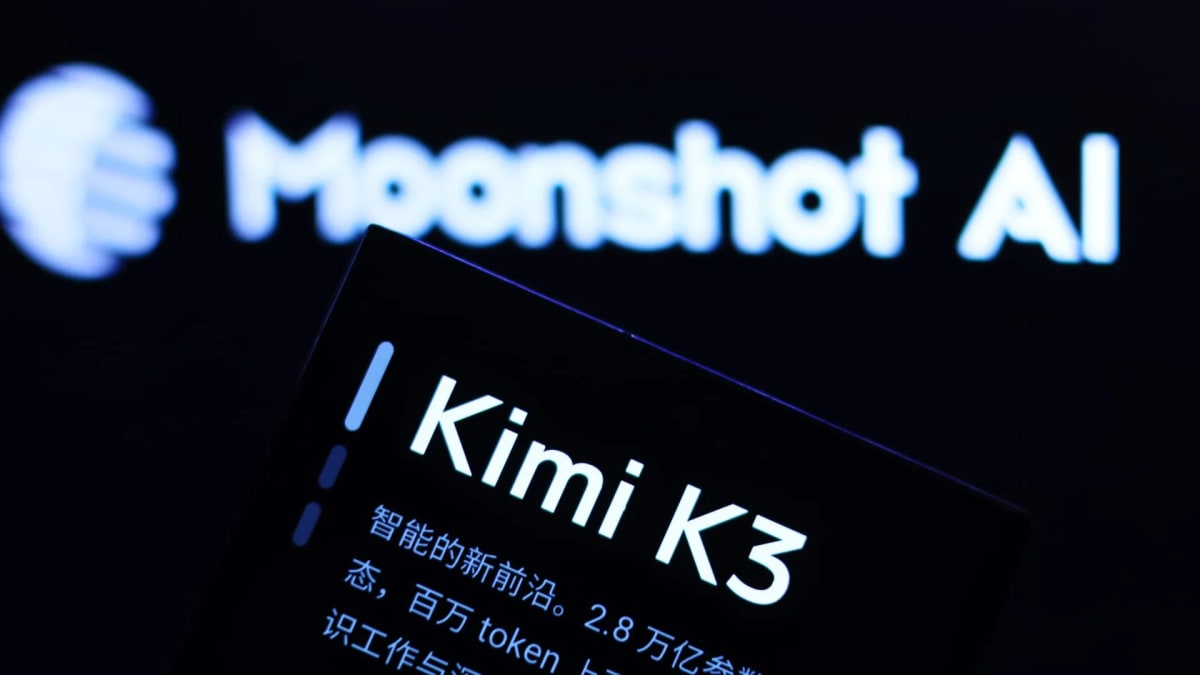
Moonshot AI, a Chinese artificial‑intelligence lab, is in talks to lease Nvidia's cutting‑edge Blackwell GPUs from European data‑center operators after U.S. export rules blocked direct shipments. The negotiations, reported by cnbc, involve renting large clusters of GPUs to support both inference and training workloads.
cnbc coverage of Moonshot AI’s European chip lease talks
Sources familiar with the discussions say Moonshot aims to secure access to at least 8,000 Blackwell GPUs hosted in Europe. The lab is described as "very aggressive" in its pursuit of additional compute, reflecting the intense competition between Chinese developers and American AI firms such as OpenAI and Anthropic.
Chinese AI lab Moonshot seeks Nvidia Blackwell access
Moonshot’s interest centers on the Blackwell series, Nvidia's most powerful graphics processing units, which are currently subject to export bans that prevent their direct import into China. By leasing capacity from non‑Chinese cloud providers, Moonshot can bypass the ban while still leveraging the hardware for its Kimi family of models.
U.S. export controls and the cloud loophole
U.S. regulations restrict the shipment of advanced chips to China, but they do not yet cover remote usage via overseas cloud services. This gap allows companies like Moonshot to access the technology indirectly, a point highlighted by the White House after it disclosed the lab’s earlier remote access through a Thai facility.
Asian data centers become a new frontier
European data centers, often operated by "neocloud" providers that can purchase Nvidia GPUs, are emerging as strategic venues for Chinese AI firms. Leasing arrangements typically involve an upfront payment representing a percentage of the contract’s lifetime value, with Chinese customers sometimes paying 30%–50% more than non‑Chinese counterparts.
Potential U.S. legislative response
Congress is evaluating the Remote Access Security Act (RASA), which would extend export controls to include cloud‑based access to critical AI hardware. The bill cleared the House in January but remains pending in the Senate.
While Nvidia has signaled that the United States must dominate AI infrastructure worldwide, it also noted that older H200 chips have been licensed for limited sales to China under strict conditions.
Moonshot’s strategy reflects a broader trend: Asian data‑center operators are increasingly positioning themselves as intermediaries that can supply Chinese AI developers with high‑performance compute while navigating geopolitical restrictions.
Sources: CNBC, The Wire China, Unite.AI.
Frequently asked questions
What is Moonshot AI?
Why is Moonshot AI seeking Nvidia Blackwell GPUs in Europe?
How do U.S. export controls affect the arrangement?
What legislative actions are being considered in the United States?
Related stories

வெள்ளி மற்றும் தங்கம் விலைகள் ஒரே நாளில் திடீர் குறைவு
தொடர்ந்து உயர்ந்து வந்த தங்கம் மற்றும் வெள்ளி விலைகள் திடீரென குறைந்துள்ளன. இதனால் நகை வாங்குவோர் மத்தியில் நிம்மதி ஏற்பட்டுள்ளது.

बीबीसी हिन्दी Reports on University Students Behind Major Pakistan Bank Robbery
Reports from बीबीसी हिन्दी detail how local authorities uncovered a massive bank robbery in Pakistan orchestrated by university students over a year ago.

Supreme Court Rules on Pataka Regulations and Permitted Hours for Diwali
The Supreme Court has addressed regulations for bursting pataka during Deepavali, setting specific permitted time slots and green product rules in Delhi-NCR.

Publicis Responds to WPP Cindy Rose Over Pitchless Agency Comments
Publicis has issued an open letter responding to remarks made by WPP chief executive Cindy Rose regarding agencies winning business without traditional pitches.