

Could Margaret Clitherow's Execution Have Influenced Guy Fawkes?
Historians explore whether the brutal 1586 execution of Catholic martyr Margaret Clitherow in York helped shape the religious fervor of a young Guy Fawkes.
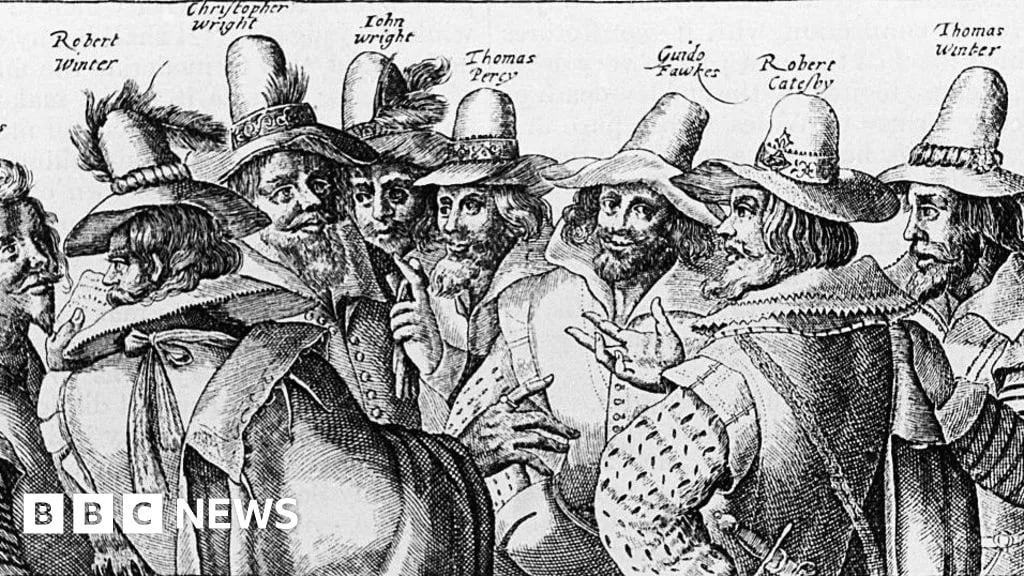
Historians are examining whether the brutal death of a Catholic martyr in York deeply shaped the religious mindset of guy fawkes during his youth. Margaret Clitherow was crushed to death in 1586 after declining to enter a plea against charges of sheltering Catholic priests in Elizabethan England.
Almost two decades later, Fawkes and a group of fellow conspirators would be captured trying to blow up Parliament and eliminate England's political elite, including King James VI and I. Experts suggest that understanding these early events sheds light on the broader context of the historic conspiracy.
The Execution in York and Early Influences
Dr Hannah Thomas from York's Bar Convent museum has noted that a young Fawkes and other future conspirators may have actually witnessed Clitherow's execution. At the time, public executions drew large crowds who viewed the events much like modern sporting fixtures.
Clitherow suffered under heavy weights with a sharp stone positioned beneath her back. Her choice not to enter a plea was largely intended to protect her children and friends from being forced to testify or face torture themselves. Because she was labeled a traitor, her body was initially thrown onto a rubbish heap before Catholic friends secretly recovered it.
Religious Persecution Under Elizabeth I
During the reign of Queen Elizabeth I, individuals faced severe penalties for avoiding Church of England services, while Catholic priests risked arrest, torture, and death. The government of the era viewed religious differences as a direct threat to the Crown, harboring fears that Catholics held divided loyalties between the Queen and the Pope.
Historian Gillian Waters points out that 1586 was a critical year for Fawkes, who was roughly 16 years old when Clitherow died. Born and raised in York, Fawkes attended St Peter's School and inherited an estate in the Clifton area from his father. Other local figures, such as Jesuit priest Francis Ingleby, were also executed that same year, further intensifying the climate of persecution experienced by the city's youth.
The Gunpowder Plot and Its Aftermath
The infamous Gunpowder Plot eventually unfolded when conspirators placed 36 barrels of gunpowder inside a cellar beneath Parliament. However, the scheme was uncovered after a plotter sent a warning letter to a member of Parliament, prompting the King's men to search the cellars and arrest Fawkes.
While Fawkes faced torture and execution, childhood friends and fellow plotters the Wright brothers fled before eventually dying in a shoot-out with the King's men. Today, remnants of this turbulent era—such as a preserved relic of Clitherow housed at the Bar Convent—serve as physical reminders of the religious tensions that marked the youth of guy fawkes.
Sources: BBC, The Guardian, Clarin.com.
Frequently asked questions
Who was Margaret Clitherow?
How might Margaret Clitherow have influenced Guy Fawkes?
What was the Gunpowder Plot?
What happened to Guy Fawkes after the plot failed?
Related stories

Astrological Insights and Financial Forecasts for Dhanteras Wishes
As people exchange dhanteras wishes, astrological forecasts highlight financial gains, blessings from Lord Dhanvantari and Goddess Lakshmi, and zodiac predictions.

भीषण अग्निकांड: करोल बाग की गफ्फार मार्केट इमारत में लगी आग
दिल्ली के करोल बाग स्थित गफ्फार मार्केट की एक इमारत में शुक्रवार देर रात भयंकर आग लग गई। दमकलकर्मी रातभर आग पर काबू पाने के लिए संघर्ष करते रहे।

Nate Boerkircher: Search Spike Highlights Lack of Verified Information
Searches for nate boerkircher surged past 10,000 in the past four hours, yet no reliable sources confirm who he is or why interest has risen.

Understanding the Dhanteras 2026 Muhurat and Festivities
The Dhanteras 2026 muhurat arrives on November 6, bringing traditional worship of deities and special shopping customs for households seeking prosperity.