

Did Netanyahu Win the Election? Israel Faces Inconclusive Results
Initial tallies and exit polls from Israel show no decisive winner, leaving political leaders facing weeks of complex coalition talks.
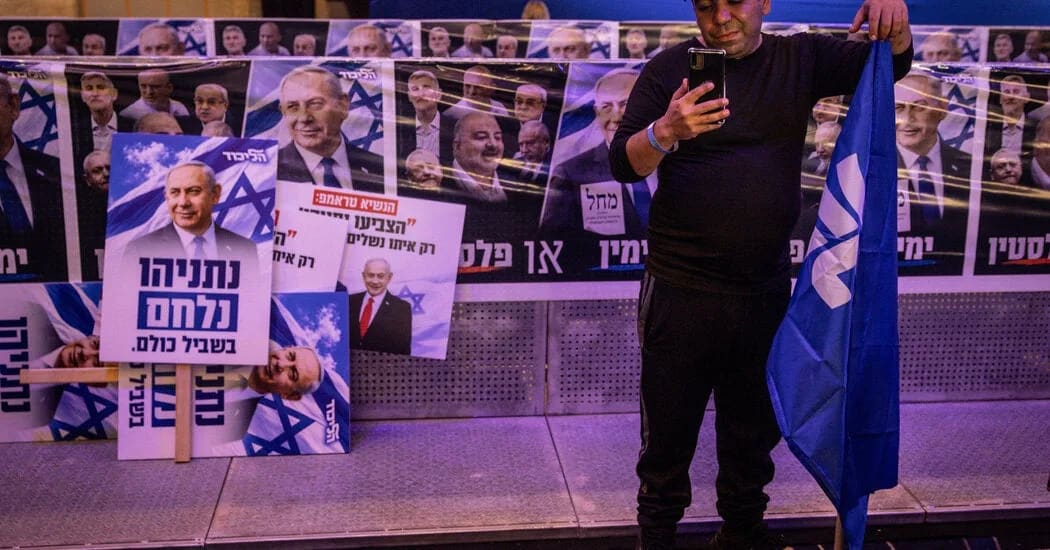
Did Netanyahu Win the Election in Israel?
Initial voting tallies and exit polls from the recent national vote indicate that there is no decisive victor, leaving the nation's political future uncertain. As ballots continue to be counted, leaders are preparing for an extended period of negotiations to determine the shape of the next government.
With more than 70 percent of ballots tallied by election officials, neither the hard-line alliance led by caretaker Prime Minister Benjamin Netanyahu nor the opposition bloc led by Gadi Eisenkot has reached the 61 seats necessary to secure a straightforward majority in the Knesset. You can read more about the initial outcome in this israeli elections exit polls report.
Navigating Coalition Challenges and Legislative Numbers
The partial returns give Mr. Netanyahu's coalition roughly 54 seats, while Mr. Eisenkot's bloc is projected to receive about 49 seats. Meanwhile, Arab parties have shown notable strength, projected to reach 17 seats. Because neither major faction has a clear path to a majority, both leaders face difficult strategic decisions regarding potential partnerships.
Some allies of the long-serving incumbent have suggested that a broad unity government involving centrists like Mr. Eisenkot could keep Mr. Netanyahu in power comfortably. Conversely, Mr. Eisenkot faces a major dilemma: while he has criticized the current prime minister as unfit, he has also resisted partnering with Arab parties to form a governing coalition, citing strong domestic opposition following the 2023 conflict.
The Role of President Herzog and Next Steps
As vote counting continues, including hundreds of thousands of ballots from special polling stations at military bases, embassies, and hospitals which historically favor Mr. Netanyahu, attention turns to President Isaac Herzog. While the presidency is largely ceremonial, it falls to President Herzog to select a potential prime minister once the final tallies are certified.
If ongoing negotiations fail to produce a governing majority, Israel could face a second round of elections. For the caretaker prime minister, running down the clock toward a fresh vote could offer another pathway to retaining leadership, while opposition figures maintain that the public has voted for change.
Sources: The New York Times, Al Jazeera, Reuters.
Frequently asked questions
Did Netanyahu win the election?
How many seats are needed for a majority in the Knesset?
Who is Benjamin Netanyahu's main rival?
What happens next after the Israeli election?
Related stories
Understanding US Election Results and Potential Congressional Shifts
Analysis of potential outcomes as observers look toward us election results and what a Democratic Congress could mean for executive policy.

Control of Congress Hangs in Balance as Midterm Elections 2026 Arrive
Candidates make their final pitches in the midterm elections 2026 as soaring early voting and economic anxiety set the stage for a crucial battle for Congress.

US Election 2026: Indian Social Media Consultants Influence US Midterms
Indian political consultants are using shadow social media accounts to push content for US midterm candidates, a trend uncovered as the us election 2026 approaches.
Finding Where Can I Vote As Florida Midterm Elections Arrive
As millions prepare to cast ballots in high-stakes midterm races across Florida, voters search for where can i vote on Election Day.