

Families Honor Deceased Loved Ones During All Souls Day and Undas
Crowds recently gathered at cemeteries across Manila to remember departed family members during the traditional observance of Undas, All Saints Day, and all souls day.
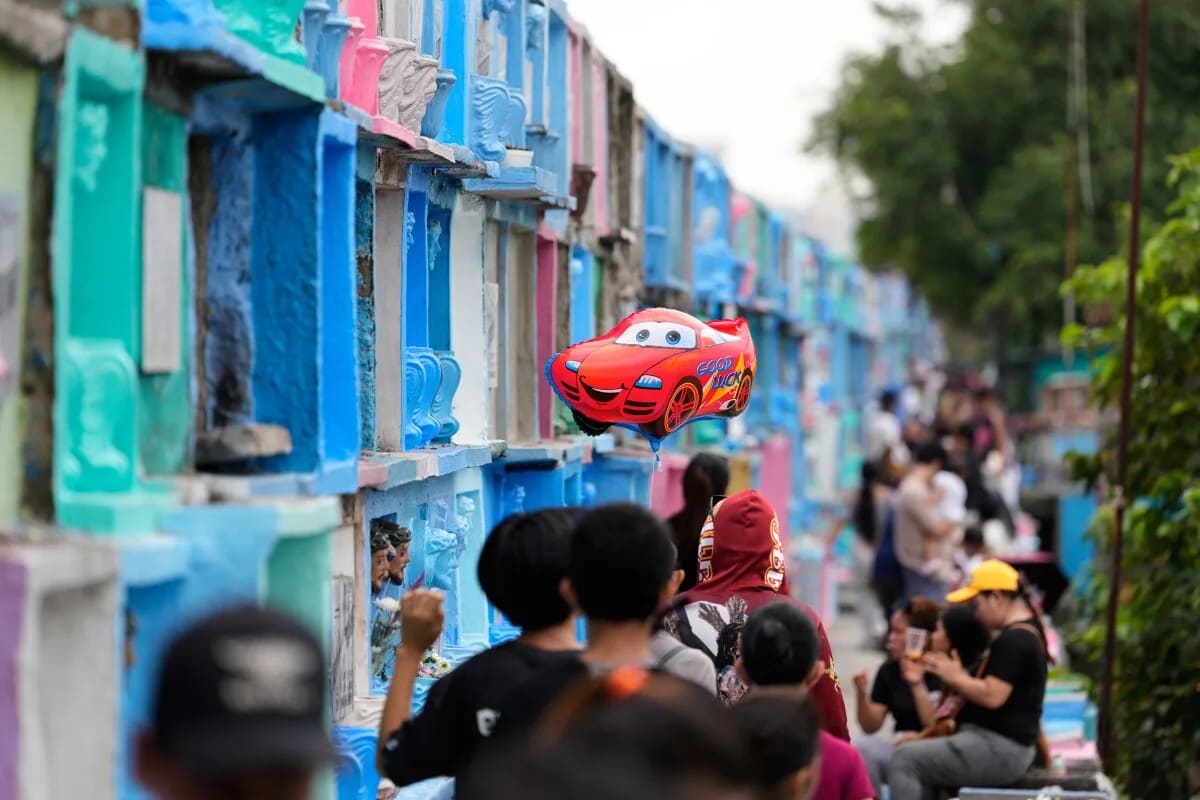
Honoring Loved Ones During All Souls Day and Undas
Crowds recently braved the heat at Manila cemeteries to visit graves and honor deceased family members. This annual period brings communities together to remember relatives who have passed away.
Traditions and Generational Customs
The traditional period locally known as Undas encompasses both All Saints Day and all souls day on November 1 and 2. The term itself originates from the Spanish word honras, meaning honors. Families mark the occasion by bringing candles and flowers, sharing snacks, offering prayers, and passing down stories from generation to generation.
Participants like Lorita Santos emphasize that passing these customs to children ensures the traditions continue. Similarly, Mike Mamaril noted that visiting parent graves remains a cherished annual routine rooted in family history.
Historical Roots and Cultural Context
According to experts like University of the Philippines Diliman anthropology lecturer Nestor Castro, ancestor veneration in the region predates Spanish colonization. Ancient populations honored ancestral spirits called anito by presenting food and gifts. Following the arrival of Spanish rule in 1565, these indigenous practices became intertwined with Catholicism, drawing historical parallels to similar customs found in Mexico, Bolivia, Poland, and Hungary.
Family Reunions and Kinship Ties
Beyond remembering the dead, these gatherings serve as major family events that strengthen kinship bonds across distances. Foods like sticky rice cakes are frequently shared during the observances to symbolize the close ties holding relatives together.
Sources: AP News, Inquirer.net, ABS-CBN.
Frequently asked questions
What is Undas?
Where does the name Undas come from?
How do families observe this tradition?
What historical roots does ancestor veneration have in the Philippines?
Related stories
Commercial LPG Gas Price Rises Across India Ahead of Festive Season
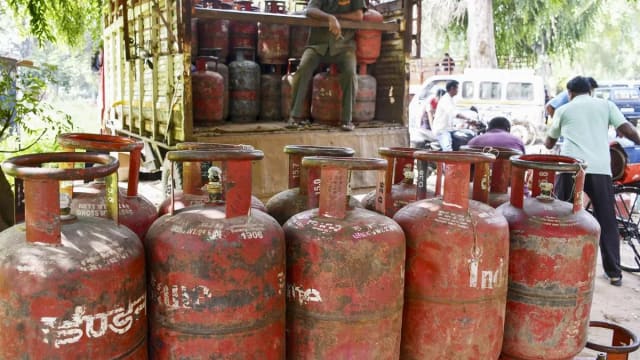
Oil-marketing companies have raised commercial LPG gas price rates nationwide ahead of the festive season. The domestic variant remains unchanged.
సరికొత్త వివరాలు: ప్రపంచంలో అత్యధికంగా పాము ఉండే ప్రసిద్ధ ద్వీపం
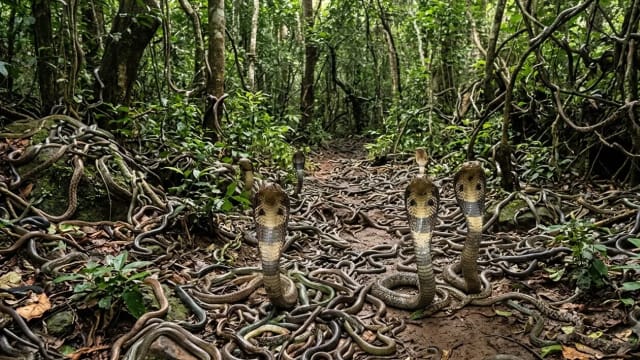
బ్రెజిల్ తీరానికి దూరంగా ఉన్న ఒక చిన్న ద్వీపంలో వేలాది సంఖ్యలో అత్యంత విషపూరితమైన పాములు నివసిస్తున్నాయి. ఈ ప్రాంతం ప్రత్యేకతలు మరియు భద్రతా ఆంక్షల పూర్తి వివరాలు ఇక్కడ…

Indian Fast Bowler Gurnoor Brar Faces Online Controversy Over Leaks
Indian fast bowler gurnoor brar finds himself at the center of a social media controversy as alleged private chats and photos circulate online.

ఆఫ్ఘనిస్తాన్ క్రికెట్ జట్టు ఘన విజయం మరియు వివాదం
యూఏఈ వేదికగా జరిగిన మూడవ టీ20 మ్యాచ్లో జింబాబ్వే జట్టుపై ఘన విజయం సాధించి సిరీస్ను కైవసం చేసుకున్న ఆఫ్ఘనిస్తాన్ క్రికెట్ జట్టు.