

Impact of El Niño on Winter Weather and Decreased Snow Accumulation
An upcoming winter season influenced by El Niño is expected to alter storm tracks, bringing lower snow amounts to major metropolitan areas and heightened flood risks to California.
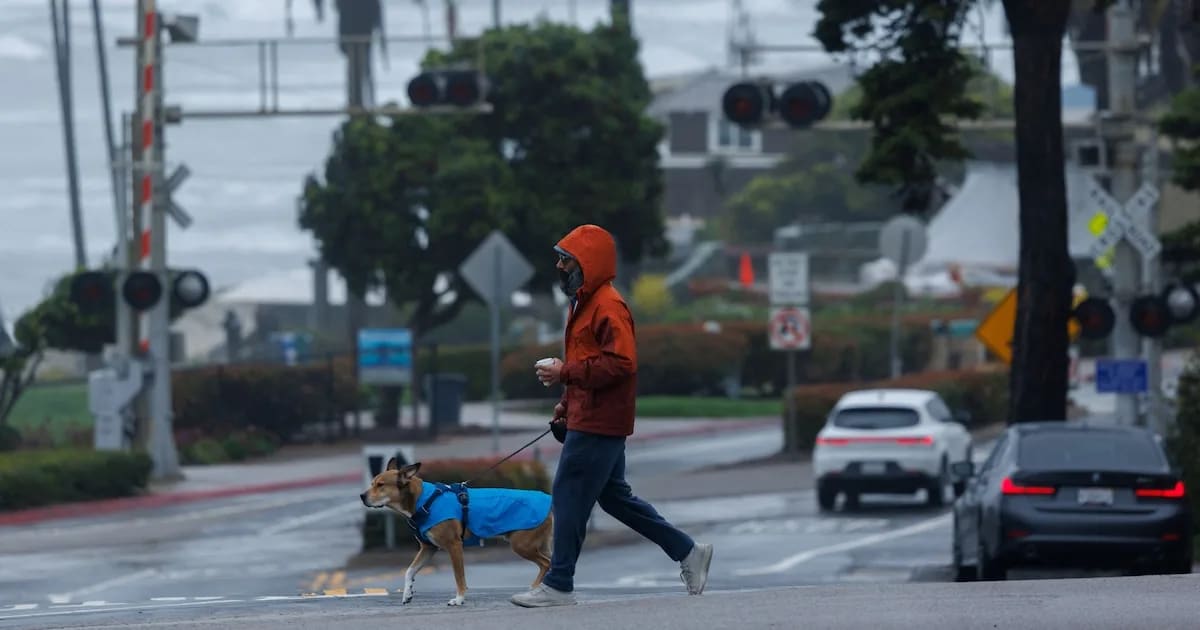
El Niño Shifts Winter Weather Patterns and Reduces Nieve Totals
The upcoming boreal winter season across the United States will be shaped by a strengthening El Niño phase, altering storm paths and driving notable contrasts in precipitation. While parts of the country face heightened flood hazards, major northern population centers are expected to see a significant drop in seasonal snow accumulation.
According to federal forecasts, the climate pattern redirects moisture streams from the Pacific, shifting weather dynamics toward warmer and wetter conditions across large portions of the country between December and February. This atmospheric shift sets the stage for distinct regional outcomes regarding temperature, rainfall, and snowfall.
Regional Outlook for Snowfall and Winter Storms
Forecasters note that the atmospheric setup reduces expectations for sustained winter storms and deep snowpacks in several traditional hubs. Cities such as Chicago, Boston, New York, and Philadelphia are projected to receive roughly half or even less of their typical seasonal snow totals. Similar below-average winter precipitation is anticipated across the Great Lakes, the upper Midwest, and the northern Rocky Mountains.
However, exceptions remain. Salt Lake City is projected to register above-average accumulations, while parts of the southern Rocky Mountains, southeast, and southwest may experience higher-than-average snowfall if sub-freezing temperatures align with incoming moisture.
Climate Trends and California Flood Risks
Beyond changing seasonal precipitation patterns, long-term climate trends driven by human activities have elevated winter temperatures over recent decades. These higher baseline temperatures mean that some winter precipitation near coastal areas and lower altitudes will fall as rain rather than solid flakes.
For California, the primary seasonal concern centers on an excess of water rather than frozen precipitation. Federal outlooks place the state in a zone with elevated probabilities for above-normal rainfall. Atmospheric rivers and intense storms can concentrate heavy downpours over short periods, creating significant hazards for roads, hillsides, and waterways.
Additionally, the Coastal Commission warns that elevated sea levels, powerful swells, and high tides combined with heavy runoff will heighten the danger of coastal flooding and beach erosion throughout the season.
Sources: Infobae, Telemundo, CNN en Español.
Frequently asked questions
How will El Niño affect snow levels this winter?
Which major cities are expected to receive less winter accumulation?
What is the primary weather risk for California during this period?
Does the National Oceanic and Atmospheric Administration release exact seasonal snow totals?
Related stories

Seattle Seahawks Prepare for Zach Charbonnet and Jadarian Price Returns
The Seattle Seahawks are boosting their backfield as Zach Charbonnet and Jadarian Price prepare to play in the upcoming matchup against the Chicago Bears.

Marcus Spears Jr Leads Texas to 109-59 Win Over Chicago State
Texas opened its 2026‑27 men’s basketball season with a 109‑59 rout of Chicago State, highlighted by freshman forward marcus spears jr contributing 11 points, five rebounds and…

Boston Bruins Defeat Vegas Golden Knights in Shootout Thriller
David Pastrnak scored the decisive shootout goal on Monday night, lifting the Boston Bruins to a narrow 3-2 victory over the Vegas Golden Knights.

Minnesota Timberwolves Defeat Milwaukee Bucks 112-100 in Match
The Minnesota Timberwolves secured a 112-100 victory over the Milwaukee Bucks on Monday night, powered by a standout performance from LaMelo Ball.