

Kalshi and Prediction Markets Face Major US Midterms Testing
Prediction platforms like Kalshi face a crucial accuracy test during the US midterms as trading volumes soar past previous records.
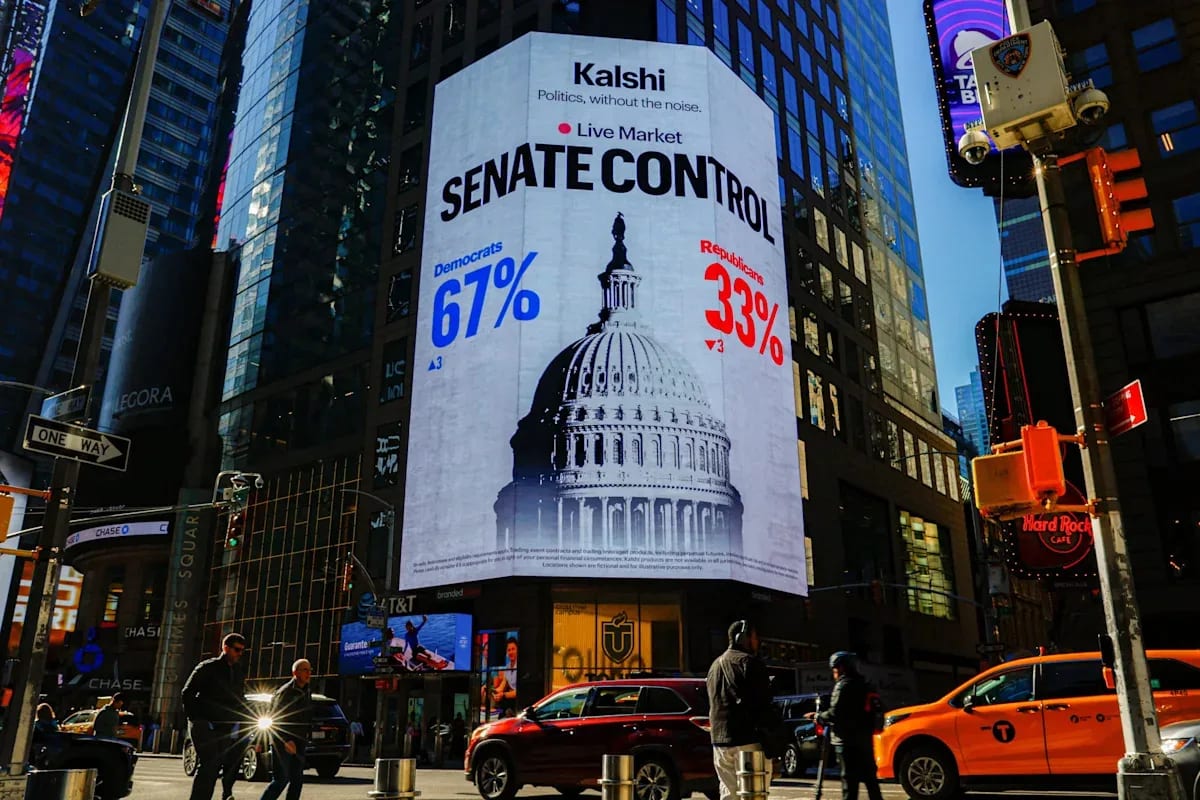
Kalshi and the Rising Stakes of Prediction Markets
As voters head to the polls, platforms like kalshi are facing a significant accuracy test during the current congressional contests. Trading volumes have surged past prior milestones, drawing intense public scrutiny toward how well financial forecasting measures up against traditional polling data.
Both prediction platforms and professional pollsters indicate that Democrats hold an advantage in capturing both the House and Senate. However, market-based platforms have historically maintained slightly different probability metrics compared to statistical models.
Evaluating Election Predictions and Polling Gaps
The rivalry between forecasting methods has been most noticeable in upper chamber projections. For months, a steady gap persisted regarding Senate control, averaging roughly 7.3 percentage points since September 1. This margin tightened closer to the final voting window, shrinking notably by Tuesday morning.
When combining data across major platforms—including kalshi, Polymarket, and PredictIt—collective figures showed a 77.3% likelihood for Democrats taking the Senate. Meanwhile, leading statistical polling models placed those specific chances slightly higher at 80.2%.
Regarding the House of Representatives, the discrepancy between traders and pollsters remained minimal. Recent readings highlighted a narrow 2.2-percentage-point separation, with market platforms showing a 94% probability of Democrats flipping the chamber compared to 96.2% from polling averages.
Platform Growth and Historical Accuracy
The industry's current visibility builds upon intense public interest from the 2024 election cycle. At that time, a ten-point variance between methodologies sparked widespread debates over which forecasting approach proved more reliable. Proponents of platforms like kalshi and Understanding What Are Midterm Elections and Key Voter Concerns often argue that financial stakes give participants an incentive for truthfulness.
Despite rapid expansion, these services have experienced notable forecasting misses. For instance, the winner of Brazil's presidential election held merely 20% odds on platforms prior to securing victory. Nonetheless, financial engagement continues to scale aggressively. Over the weekend, kalshi reported that midterm market trading volumes officially crossed $1.2 billion, eclipsing the platform's total activity during the previous presidential election.
Sources: Yahoo Finance, Reuters, The Guardian.
Related stories

Guam Election Results Show Alicia Limtiaco Winning House Seat
Unofficial results indicate a historic Democratic flip for Guam's nonvoting House seat as Alicia Limtiaco leads incumbent Del. James Moylan.
Understanding Ssa Maximum Taxable Earnings 2027 and Benefit Taxes
Discussions surrounding ssa maximum taxable earnings 2027 highlight how frozen income thresholds pull more ordinary seniors into paying taxes on their Social Security benefits.

Amd Stock Surges After Earnings Beat, Data‑center Revenue Nearly Doubles
Advanced Micro Devices posted a Q3 earnings beat, lifting amd stock by about 7‑8% as data‑center revenue nearly doubled year over year.

Understanding What Are Midterm Elections and Key Voter Concerns
Voters head to the polls as questions linger about what are midterm elections and how economic issues shape legislative control.