

Karwa Chauth 2026: Understanding the Significance and Karva Chauth Ki Kahani
Married individuals observe fasts for long lives as communities celebrate Karwa Chauth 2026 with traditional rituals, sargi, and moon sightings.
Understanding Karva Chauth Ki Kahani and Festival Traditions
Married individuals across various regions observe strict fasts dedicated to long lives, health, and harmonious marital relationships. Celebrants partake in traditional observances that span from early morning pre-dawn meals until the evening moon sighting, following customs outlined in Karwa Chauth 2026 Date, Puja Timings and Moonrise Schedule Announced.
Sargi Time and Morning Rituals
The day begins before sunrise with the consumption of sargi, a traditional collection of foods, fruits, and sweets often provided by mothers-in-law. After finishing this pre-dawn meal, participants take a solemn vow to sustain the fast throughout the day, with many choosing to abstain from water entirely.
Puja Timings and Schedules
As evening approaches, families prepare clean spaces for prayer and set up imagery or idols of Lord Shiva, Goddess Parvati, Lord Ganesh, and Karwa Mata. For the National Capital Region, the designated auspicious puja muhurat spans from approximately 5:38 PM to 6:56 PM. Moonrise is anticipated around 8:17 PM in Delhi and roughly 8:18 PM in Gurugram, though local calendars should be consulted for exact regional variances.
The Significance of Karva Chauth Ki Kahani
Listening to or reading traditional accounts during the ceremony remains a central element of the observance. The classic narrative focuses on a devoted seeker named Veervati, who observed the fasting rites and mistakenly broke her fast early due to an artificial moon-like light arranged by her concerned brothers. Upon learning of her husband's sudden ill news, she engaged in fervent prayer to Goddess Parvati, ultimately having her husband restored through divine grace. This traditional story underscores the enduring themes of faith, perseverance, and devotion.
Evening Worship and Concluding Rites
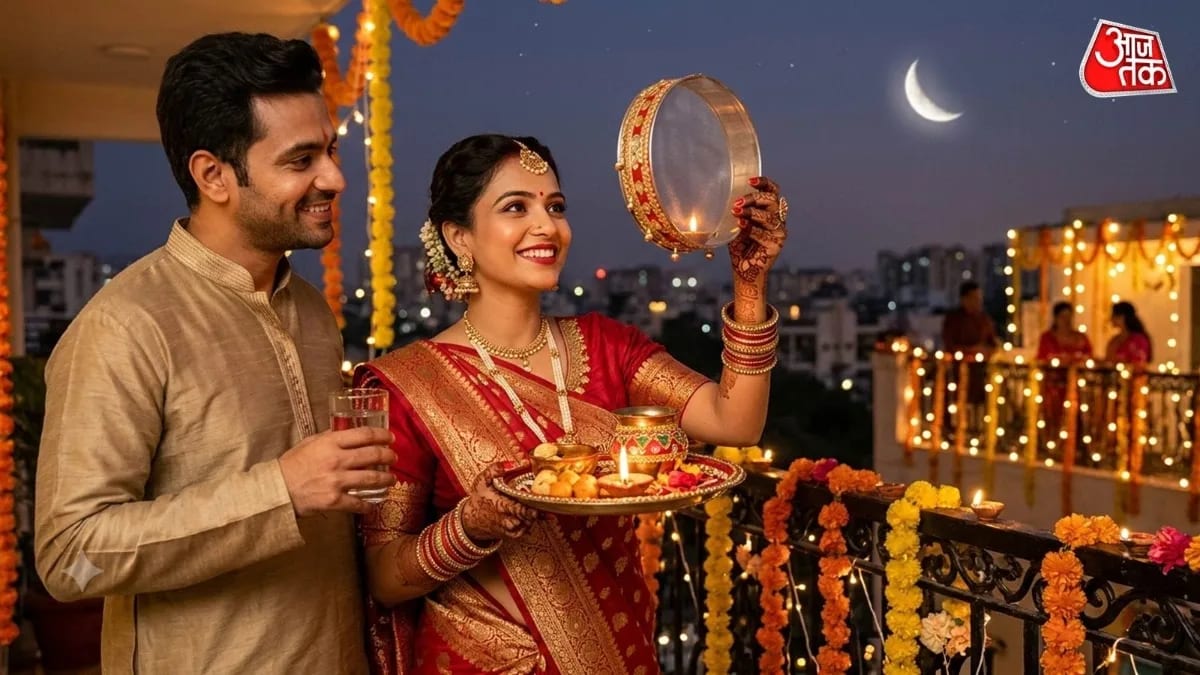
Following the traditional storytelling and completion of evening prayers, participants look toward the night sky to spot the moon. Once the moon is visible, water is offered as an arghy. Many traditions involve viewing the moon and then the spouse's face through a ceremonial sieve before the fast is officially concluded with water and food offered directly by the partner.
Sources: AajTak, Dainik Bhaskar, Amar Ujala.
Related stories

McDonald's Tests New Value Meals as Affordability Concerns Grow
McDonald's has begun testing new everyday affordable price menu constructs in roughly 1,900 restaurants as part of an upcoming national program.

Raising Cane Prepares to Open Twelve New Locations Across America
Fast-food favourite Raising Cane is launching twelve new restaurants across ten states this month, bringing its signature chicken fingers to fresh markets.

Amazon Prime Uber Eats Partnership Offers $0 Delivery for Members
Amazon Prime members can now order Uber Eats meals through Amazon with no delivery fee on qualifying orders, saving up to $175 a year.

Burger King Holiday Countdown Calendar Returns for the 2026 Season
Burger King is bringing back its popular festive countdown collectible for the 2026 holiday season, giving fans a chance to build a miniature restaurant.