

Low-Dose Aspirin Linked to Reduced Dementia Risk for Some Patients
A recent analysis indicates that low-dose aspirin may lower relative dementia risk by 70 percent in older adults with specific genetic traits, though important safety concerns remain.
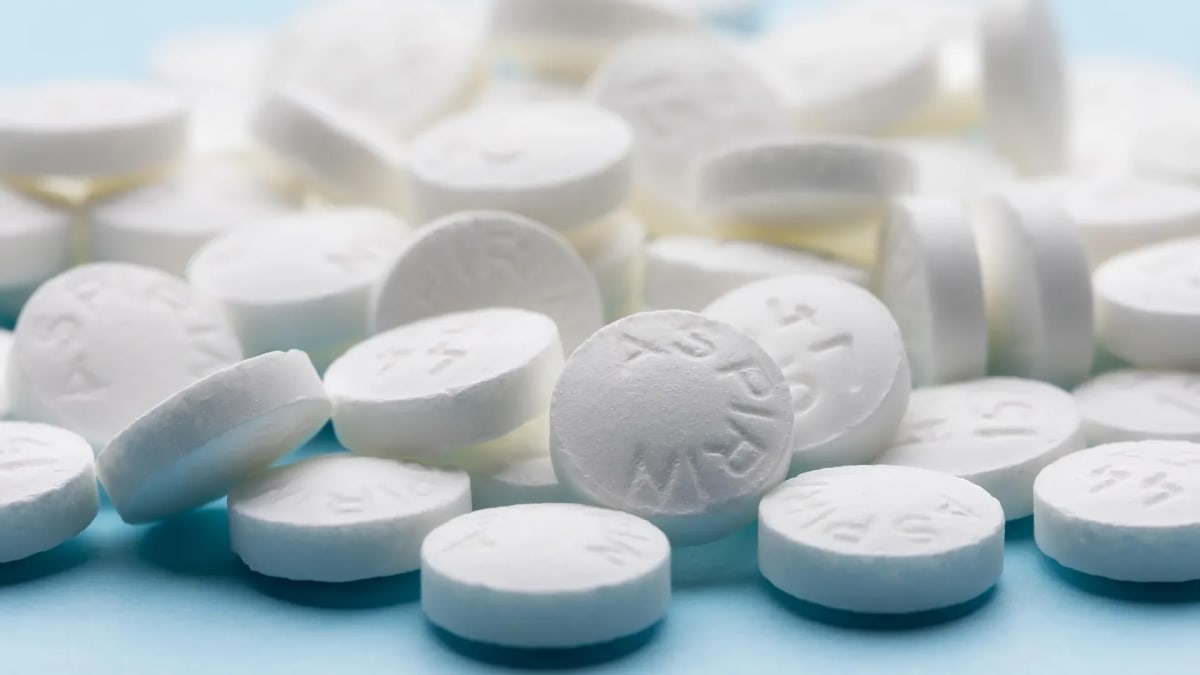
New Findings Connect Low-Dose Aspirin to Lower Dementia Risk
A recent scientific analysis reveals that low-dose aspirin may be associated with a substantially reduced relative risk of dementia among older adults who possess specific genetic characteristics. Researchers evaluated genetic data from over 13,500 participants in the ASPREE Trial to determine whether genetic differences influence how aspirin affects brain health.
The study demonstrated that individuals within a distinct genetic subgroup who took aspirin saw a 70 percent lower relative risk of developing dementia. However, researchers noted significant safety cautions alongside these potential benefits.
Genetic Scores and Blood Platelet Connections
Scientists focused particularly on genes associated with blood platelet counts. Platelets are components of the blood that help form clots, and prior research has tied platelet activation to cognitive decline.
Participants were assigned genetic scores reflecting their platelet levels. Among those in the highest 20 percent of these genetic scores, only 1 percent of aspirin users developed dementia, compared to 3.3 percent of participants who received a placebo. This discrepancy amounts to approximately a 70 percent decrease in relative risk.
The Safety Catch: Major Bleeding Risks
Despite the positive association regarding cognitive health, the same genetic group experienced notable adverse effects. Specifically, 4.4 percent of aspirin users suffered major bleeding incidents, compared to just 2.1 percent of those given a placebo.
Lead author Dr. Peter Fransquet noted that while previous trials showed overall that aspirin did not prevent dementia when looking at populations as a whole, this targeted genetic subgroup points toward new avenues in platelet biology for future research.
Why More Research Is Required
Experts emphasize that individuals should not begin taking aspirin to prevent dementia without medical consultation, given the documented risks of serious bleeding. The findings must first be confirmed in other populations and tested through clinical trials designed specifically for people with this genetic profile before any medical recommendations can change.
Sources: Science Daily, UA.NEWS, LBC.
Frequently asked questions
How is low-dose aspirin linked to dementia risk?
Are there any safety risks associated with taking aspirin for dementia prevention?
Should people start taking aspirin to prevent dementia now?
What data was used for this research?
Related stories

Mohammed Shami Concludes His Test Cricket Career for India
Veteran fast bowler mohammed shami has brought his Test career to a close, looking back on a journey where every comeback taught him valuable lessons.

ಇಂಡಿಯನ್ ಪ್ರೀಮಿಯರ್ ಲೀಗ್ 2028 ಮೆಗಾ ಹರಾಜು ಮುಂಚೆ ₹40 ಕೋಟಿ ಬೇಡಿಕೆಗಳು ತಂಡಗಳ ಬಜೆಟ್ಗೆ ಸವಾಲು
ಐಪಿಎಲ್ 2028 ಮೆಗಾ ಹರಾಜು ಮುಂಚೆ ಕೆಲವು ತಾರೆ ಆಟಗಾರರು ತಮ್ಮ ಪ್ರಸ್ತುತ ತಂಡದಲ್ಲಿ ಉಳಿಯಲು ₹40 ಕೋಟಿ ಬೇಡಿಕೆ ಇಟ್ಟಿದ್ದಾರೆ, ಇದು ಫ್ರಾಂಚೈಸಿಗಳ ಬಜೆಟ್ ಯೋಜನೆಯನ್ನು ಕಠಿಣಗೊಳಿಸಿದೆ.

Rinky Hijikata Upsets Novak Djokovic at Paris Masters to End Serb's Season
Qualifier Rinky Hijikata secured a stunning win over Novak Djokovic at the Paris Masters, bringing an end to the veteran player's season and ATP Finals hopes.

जो रूट की सचिन तेंदुलकर के ऐतिहासिक रिकॉर्ड पर नजर, मास्टर ब्लास्टर ने की तारीफ
इंग्लैंड के स्टार बल्लेबाज जो रूट टेस्ट क्रिकेट में सचिन तेंदुलकर के सबसे बड़े रिकॉर्ड को चुनौती देने के करीब पहुंच गए हैं, जिस पर महान बल्लेबाज ने अपनी प्रतिक्रिया दी है।