

McDonald's McRib Class Action Lawsuit Moves Forward After Judge's Ruling
A federal judge allowed parts of a consumer lawsuit against McDonald's over its McRib sandwich meat to move forward, rejecting a dismissal bid.
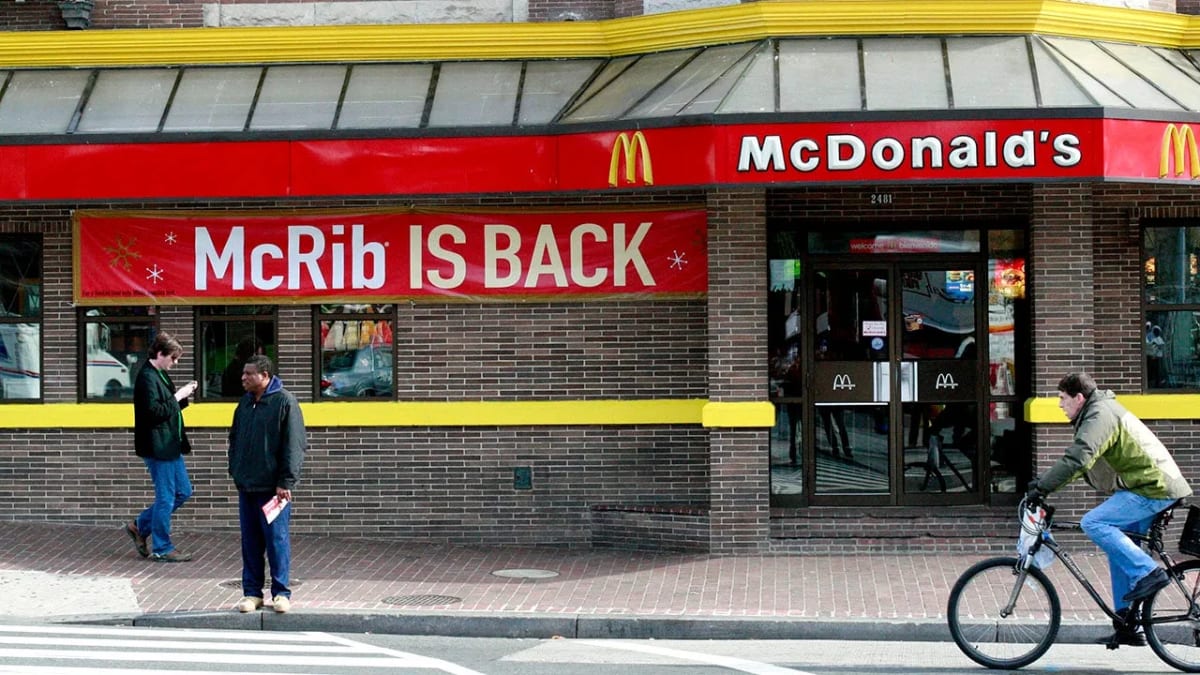
Judge Allows McRib Case to Advance
A federal court decision determined that McDonald's must face ongoing litigation regarding allegations that it misled buyers about the ingredients inside its famous pork sandwich. U.S. District Judge April Perry, presiding in Chicago, turned down a complete dismissal request from the fast-food corporation.
While five separate claims were dismissed without prejudice, the ruling keeps consumer deception, fraud, and unjust enrichment allegations active. The ongoing mcdonald's mcrib class action lawsuit now moves deeper into the legal system, though the court has not yet made any final determination that deceptive advertising actually occurred.
Consumer Expectations and Survey Data
The original complaint was brought forward by four consumers who initiated the legal action in December. According to their filings, the fast-food chain shaped the pork patty to mimic a rack of ribs even though it lacks genuine rib meat. Plaintiffs contend that the product name, visual presentation, and advertising push buyers into assuming they are purchasing a premium cut of pork.
To support these arguments, the plaintiffs submitted consumer surveys. One study indicated that 72% of polled individuals anticipated finding rib meat inside the item. A separate study revealed that 67% considered the presence of rib meat to be important or very important when choosing to buy it. Judge Perry noted it was premature to state that reasonable consumers could not expect rib meat based on the current marketing evidence.
Company Defense and Ingredients
The legal complaint asserts that the sandwich utilizes lower-grade pork cuts, such as shoulder, heart, tripe, and stomach, instead of traditional rib meat. In response, McDonald's has firmly denied all accusations.
The corporation maintains that the product consists entirely of pork acquired from American farmers and suppliers. Furthermore, representatives previously stated that ingredients like heart, tripe, or scalded stomach are not utilized in the patty creation. McDonald's also argued that its trademarked title does not inherently deceive reasonable buyers, pointing out that its publicly accessible ingredient disclosures clearly list pork as the primary component. However, the judge rejected the notion that trademark status completely shields the company from deceptive marketing claims, noting that other items like the McChicken and Egg McMuffin feature ingredient-descriptive titles.
Sources: Fox Business, Reuters, Law360.
Frequently asked questions
What is the mcdonald's mcrib class action lawsuit about?
Who filed the lawsuit against McDonald's?
What did the federal judge decide?
How has McDonald's responded to the allegations?
Related stories

Aircraft Carrier USS Enterprise Begins Final Journey to Scrapyard
The historic USS Enterprise, the first nuclear‑powered aircraft carrier, has been towed from Newport News and is now heading toward a scrapyard after its final voyage from…

Lotus Little Lotus Nominated as Newcomer While Restaurants Struggle
Little Lotus in New Haven earned a finalist spot for the CRAZIES best newcomer award, yet the eatery faces declining sales as Connecticut’s restaurant sector grapples with soaring…

സബ് ഇന്സ്പെക്ടര് കൂലി സ്വീകരിച്ചതിന് ശേഷം ജലത്തില് ചാടി രക്ഷപ്പെടാന് ശ്രമിച്ചു, വിജിലന്സ് പിടിച്ചു
ഒഡീഷയിലെ ഒരു പോലീസ് സബ് ഇന്സ്പെക്ടര് 10,000 രൂപ കൂലി സ്വീകരിച്ചതിന് ശേഷം വിജിലന്സ് സംഘത്തെ ഒഴിവാക്കാന് കുളത്തില് ചാടി, പിന്നീട് ഉദ്യോഗസ്ഥര് വെള്ളം തള്ളി പിടിച്ചെടുത്തു.

Union Minister Sets Conditions for Rahul Gandhi as Reported by தினமலர்
Union Minister Kiren Rijiju has outlined seven conditions for Congress leader Rahul Gandhi to increase parliamentary seats, emphasizing a shift away from foreign trips.