
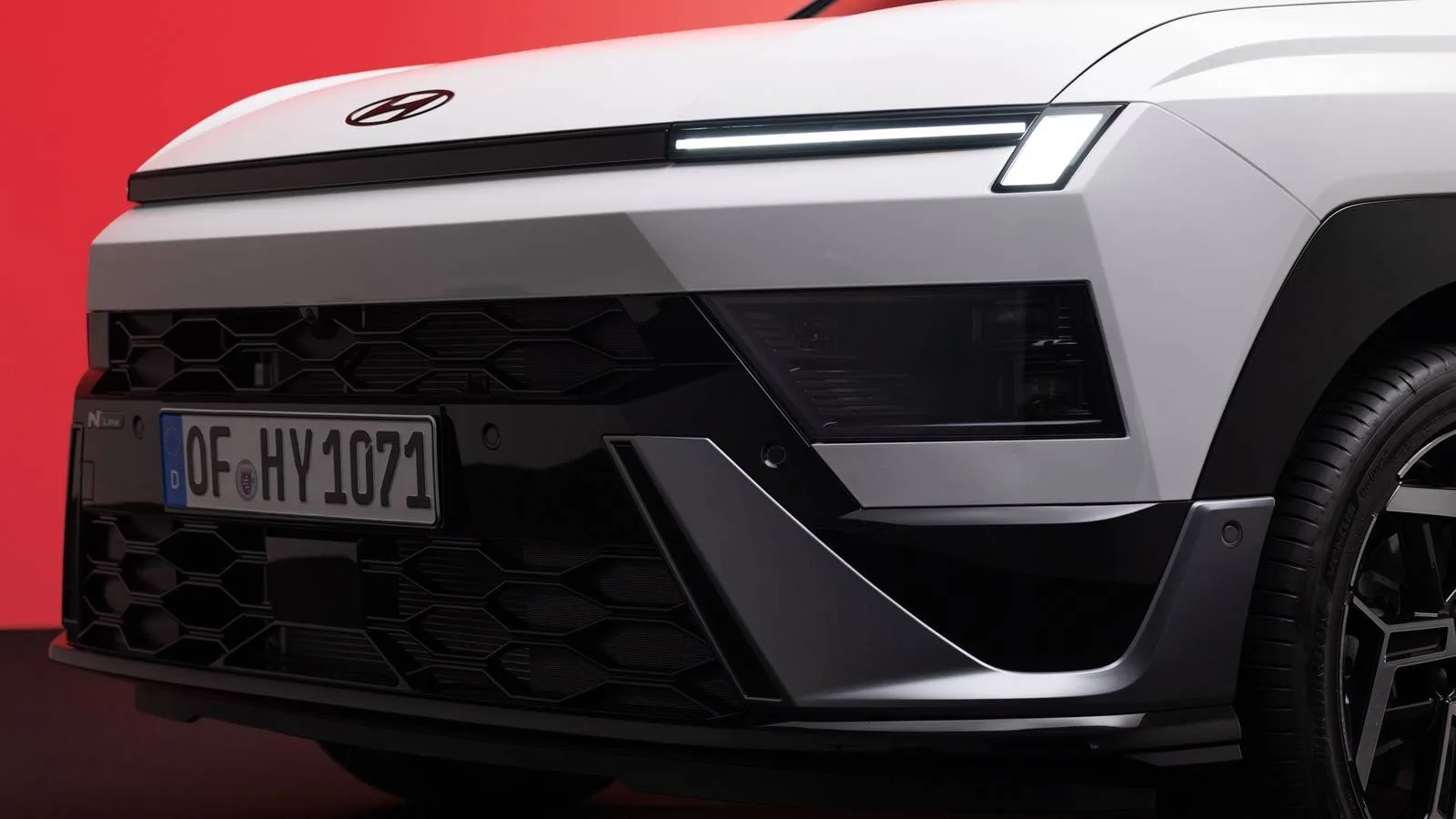
A fresh hyundai bayon dealer stockyard video has surfaced online, capturing the upcoming subcompact vehicle being unloaded at a distribution lot ahead of its scheduled October 26 rollout. The footage provides automotive enthusiasts with a clear look at the updated model before it hits showrooms.
The second-generation subcompact vehicle sits in Hyundai's European lineup between the tiny Inster and the larger Kona. While internet speculation occasionally links the model to a potential American release, manufacturers have confirmed that the model will not launch in the United States, where buyers must settle for alternatives like the Venue or Kona.
Design Updates and Features
The revised exterior styling moves away from the low-nosed, swept-back look of its predecessor. Instead, the updated model features a taller, more blunt nose, a straight roofline, and pumped-up fenders designed to provide a more rugged, go-anywhere stance similar to larger brand siblings like the Tucson.
Inside the cabin, the layout features a paired dual-screen setup that can reach up to 12.3 inches each, housed in a single monolith on top of the dash. The narrow center stack incorporates vertically oriented air vents alongside climate buttons arranged similarly to a touch-tone phone layout. Depending on the specification, available features include a Bose sound system, ventilated and heated front seats, heated rear seats, and a panoramic sunroof.
Engine and Hybrid Options
Under the hood, base configurations rely on a turbocharged 1.0-liter three-cylinder engine offered in two outputs: an 89-horsepower variant and a 113-horsepower version, both delivering 127 pound-feet of torque. Transmission choices include a traditional six-speed manual or a seven-speed dual-clutch automatic.
Additionally, a new hybrid variant combines a naturally aspirated four-cylinder engine with an electric motor to generate 136 horsepower and 195 lb-ft of torque. This configuration is paired exclusively with a six-speed dual-clutch transmission, offering improved efficiency and a zero to 62 mph acceleration time of 10.8 seconds.
Sources: CarBuzz, Automotive News, Auto India Daily.