

Ocarina of Time Remake Switch 2 Preview Adds Depth, New Art and Puzzles
Nintendo’s Switch 2 preview of the Ocarina of Time remake shows a reimagined Hyrule with expanded dialogue, revamped puzzles and a richer art style, moving beyond a simple 1:1 copy.
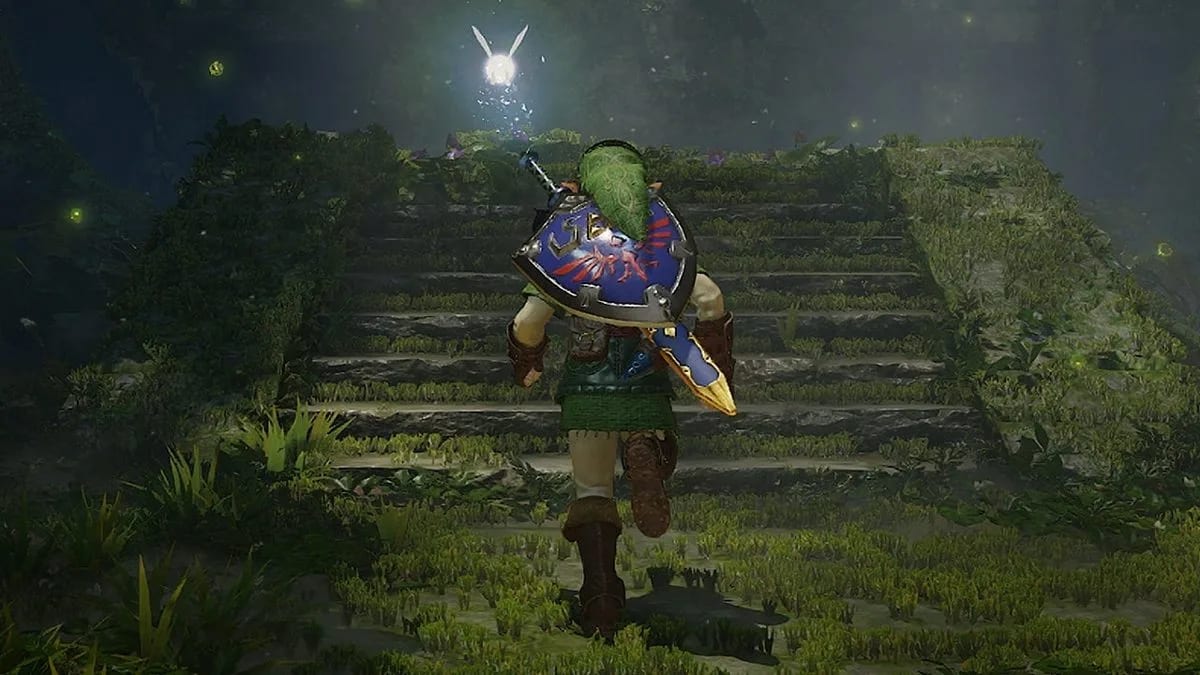
Ocarina of Time remake switch 2 adds depth and texture
The new preview of the Ocarina of Time remake switch 2 demonstrates that Nintendo is not delivering a straight copy of the 1998 classic. Instead, the development team has layered expanded dialogue, revamped puzzles and a richer visual style to make the adventure feel fresh for both returning fans and newcomers.
the legend of zelda: a more theatrical world
Series producer Eiji Aonuma described the project as a “faithful interpretation,” yet the experience feels more like a retelling. Hyrule is presented as a stage, with lighting that filters through Kokiri Forest trees and textures that highlight moss, mushrooms and hand‑woven tunic details. The artistic direction leans into theatrical inspiration, giving each area a logical, story‑driven construction.
Gameplay refinements and modern controls
Link’s movement now mirrors the fluidity seen in recent titles like Breath of the Wild. Players can dash, jump with a single press, and aim projectiles using gyro controls. The right stick provides full camera control, removing the original Z‑button camera trick that taught players to recenter behind Link.
Redesigned puzzles illustrate the focus on depth
Classic challenges have been reimagined. In the Kokiri Sword segment, the sword rests on a high platform while a boulder rolls beneath, turning the encounter into a platforming test rather than a camera‑manipulation lesson. Inside the Great Deku Tree, a floating platform from the N64 version is replaced by a crumbling bridge that integrates naturally into the environment, reinforcing the remake’s goal of logical world‑building.
Enhanced audio and narrative details
The forest’s original MIDI theme is performed by a small group of live musicians, adding authenticity. Dialogue has been expanded; for example, a Castle Town citizen remarks on Link’s intricate, hand‑stitched outfit, and the Kokiri shopkeeper blames the ringleader Mido for blocking supplies. These touches give characters more personality and context.
What comes next for the remake?
While the preview covered roughly the first 90 minutes of gameplay and the initial adult dungeon, Nintendo has not revealed further content. The development team appears committed to refining the classic’s core while introducing modern conveniences, suggesting future updates may continue this balance of nostalgia and innovation.
Overall, the Ocarina of Time remake switch 2 preview signals a thoughtful re‑interpretation that prioritizes depth, updated mechanics and a visually immersive Hyrule, positioning the title as a compelling entry for both legacy fans and a new generation of players.
Sources: IGN, IGN, Nintendo, The Guardian.
Frequently asked questions
What is the primary focus of the Ocarina of Time remake switch 2?
How have the controls been updated in the Switch 2 version?
What visual improvements are present in the preview?
Are there any changes to level design, such as the Kokiri Sword area?
Related stories

PlayStation Store Black Friday 2026 Sale Kicks Off Early With Major Discounts
PlayStation has launched its early Black Friday sale on the digital storefront, offering significant price cuts across thousands of titles.
Bethesda Reveals Official Name for Elder Scrolls 6 as Sentinel
Bethesda has officially announced that the next chapter in its fantasy franchise is titled The Elder Scrolls VI Sentinel. Studio chief Todd Howard shared the news during an…

Samsung Galaxy S27 Ultra Expected to Feature Upgraded Display Tech
Upcoming reports indicate that the next-generation Samsung Galaxy S27 Ultra will include a refined privacy display and improved brightness.

OPPO Reno17 Series Launch Details and Reservations Revealed
OPPO has opened reservations for the upcoming oppo reno 17 series in China, with official launch plans scheduled for later this month.