Overview of Panama Earthquakes Today
Following a major seismic event, monitoring of panama earthquakes today reveals an ongoing humanitarian challenge for thousands of families. Ongoing aftershocks continue to shake the region, leaving communities grappling with widespread infrastructure damage and continuous distress.
Impact on Children and Communities
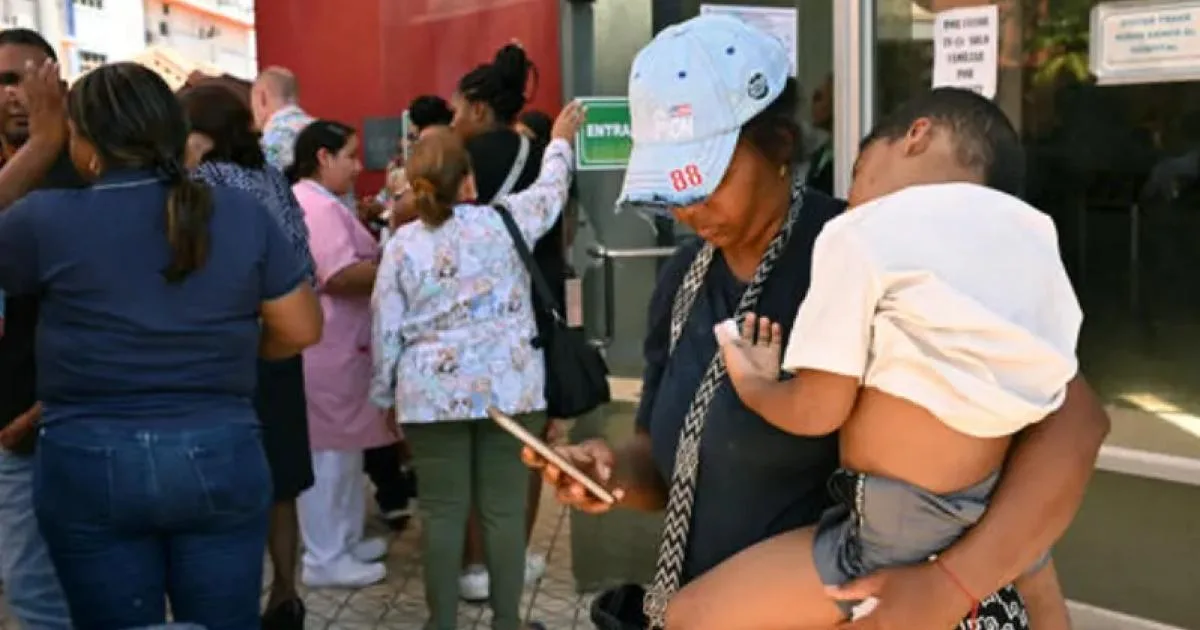
Reports concerning panama earthquakes indicate that approximately 38,000 individuals, which includes 8,300 children, require urgent humanitarian assistance. The disaster has severely impacted critical water networks, transport routes, and residential homes across several hard-hit areas.
Assessments conducted by authorities confirm that the worst-impacted regions include the provinces of Veraguas, Coclé, Herrera, and Los Santos. Families and young children continue to experience widespread fear as seismic activity persists.
Infrastructure Damage and Relief Operations
The disruption to essential public services has prompted a massive scale-up in emergency response. Government reports and international evaluations highlight extensive destruction:
- Education: Preliminary government tallies show that 656 educational facilities sustained damage nationwide, leading to suspended classes while structural inspections take place.
- Healthcare: At least 25 health facilities suffered structural damage. In response, health authorities and UNICEF deployed 72 m² tents—totaling 16 units made available—to maintain essential medical services.
- Water and Sanitation: Humanitarian partners are actively evaluating safe water access alongside monitoring protection risks tied to displacement.
Funding and Future Support
To sustain life-saving operations and early recovery programs, UNICEF urgently requires US$2.5 million. Humanitarian agencies continue working closely alongside the Government of Panama to deploy personnel and vital supplies, ensuring that vulnerable children remain at the heart of all recovery efforts.