

Paraguay President Resigns Amid Ueno Bank Collapse and Political Crisis
President Santiago Peña stepped down as Paraguay’s leader after Ueno Bank’s failure left millions of citizens without access to their savings, sparking protests and an impeachment debate.
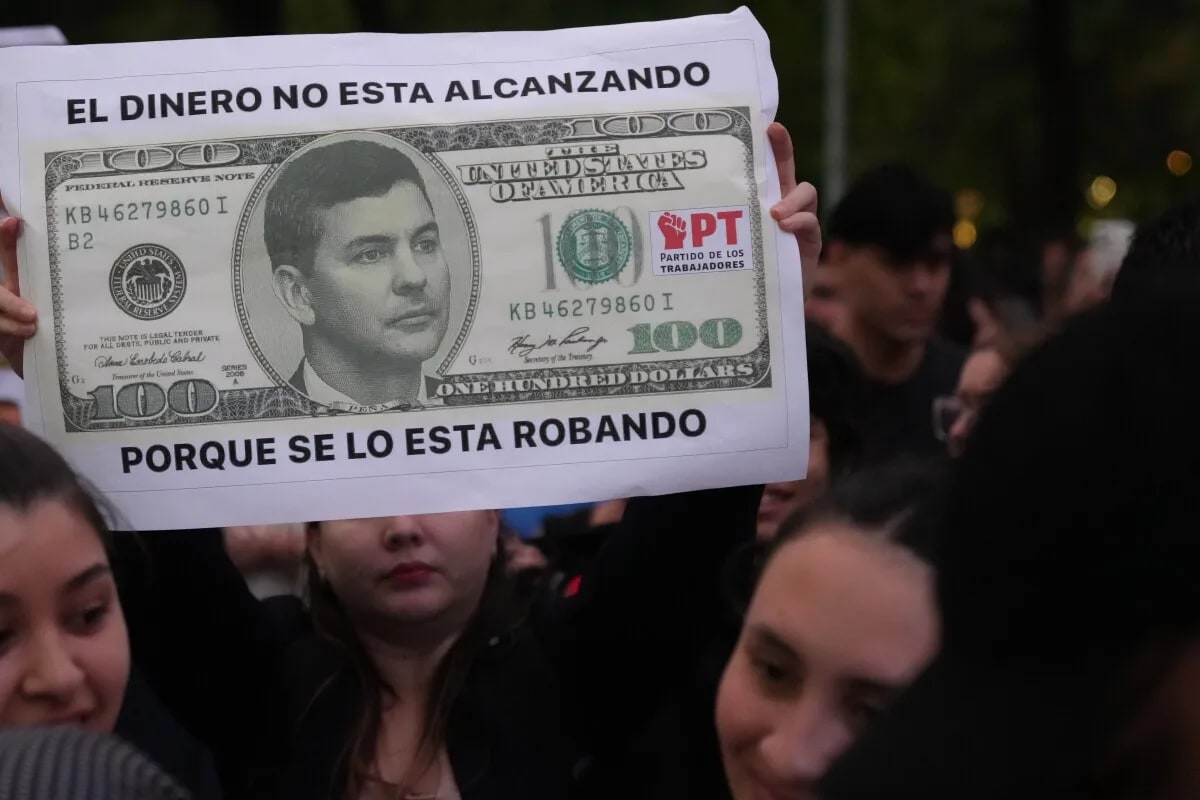
President Santiago Peña of Paraguay resigned on Thursday after losing his party’s support, as protests entered a third day in Asunción over the collapse of Ueno Bank, a digital lender tied to his administration.
Resignation of Paraguay’s President
Peña posted a video on X announcing his decision, stating he was acting to protect the country’s stability, social peace and democratic institutions. He apologized to citizens for any perceived failure but stopped short of admitting direct responsibility for the banking crisis.
Paraguay bank collapse shakes financial system
Ueno Bank, which had transformed from a modest finance company into a nationwide brand within five years, froze millions of deposits after regulators discovered risky, poorly documented loans to insider companies and misstated assets. The bank’s capital fell below half the legal minimum, prompting the central bank to seize it and lock its branches.
The institution claimed over 60% of adult Paraguayans as customers and held about $800 million in public deposits, including funds from the state pension, health fund and hydroelectric dam operators.
Legal and political fallout
Eight senior Ueno executives, including founder Miguel Vázquez, were detained, and 27 bank officials and business associates faced charges such as breach of trust and attempted fraud. The impeachment debate began in the Legislative Palace, with Congress required to accept or reject Peña’s resignation under the constitution.
Vice President Pedro Alliana stands next in line to assume the presidency, while the interim central bank head, Pedro Acosta Bernal, asserted that the broader banking system remains sound.
What comes next for depositors?
Authorities have begun transferring affected accounts—about 280,000 customers who only used Ueno—to other banks and are repaying deposits as assets are liquidated. The situation has caused a surge in activity on other banks’ mobile platforms, prompting officials to urge calm.
For broader context on how such financial shocks can affect markets, see Analyst Insights on Whether a Stock Market Crash Is Approaching.
Sources: AP News, The New York Times, NBC News, CNN.
Frequently asked questions
Why did President Santiago Peña resign?
How large was Ueno Bank before it collapsed?
How many people were directly affected by the bank’s failure?
What actions have authorities taken after seizing Ueno Bank?
Related stories
CBSE Announces 2027 Board Exam Dates for Class 10 and Class 12
The Central Board of Secondary Education has released official date sheets for the upcoming 2027 examinations, confirming that tests will begin on February 16.

Sevilla - Alavés Ends in a Goalless Draw During LaLiga Matchday 12
Sevilla and Alavés played out a scoreless draw at the Estadio Ramón Sánchez Pizjuán during the 12th round of the LaLiga 2026/27 season.

Patrick Lynch Mt Lebanon Murder-Suicide Leaves Community Reeling
Patrick Lynch and his children were found dead in a Mt. Lebanon garage, an incident police label a murder‑suicide; the mother says he was depressed after losing his job.

Michael Sanft, Las Vegas Attorney for Keffe D in Tupac Murder Trial Dies
Michael Sanft, the Las Vegas defense lawyer for Duane “Keffe D” Davis in the Tupac Shakur murder case, died at age 55. The coroner has confirmed his death, but cause remains…