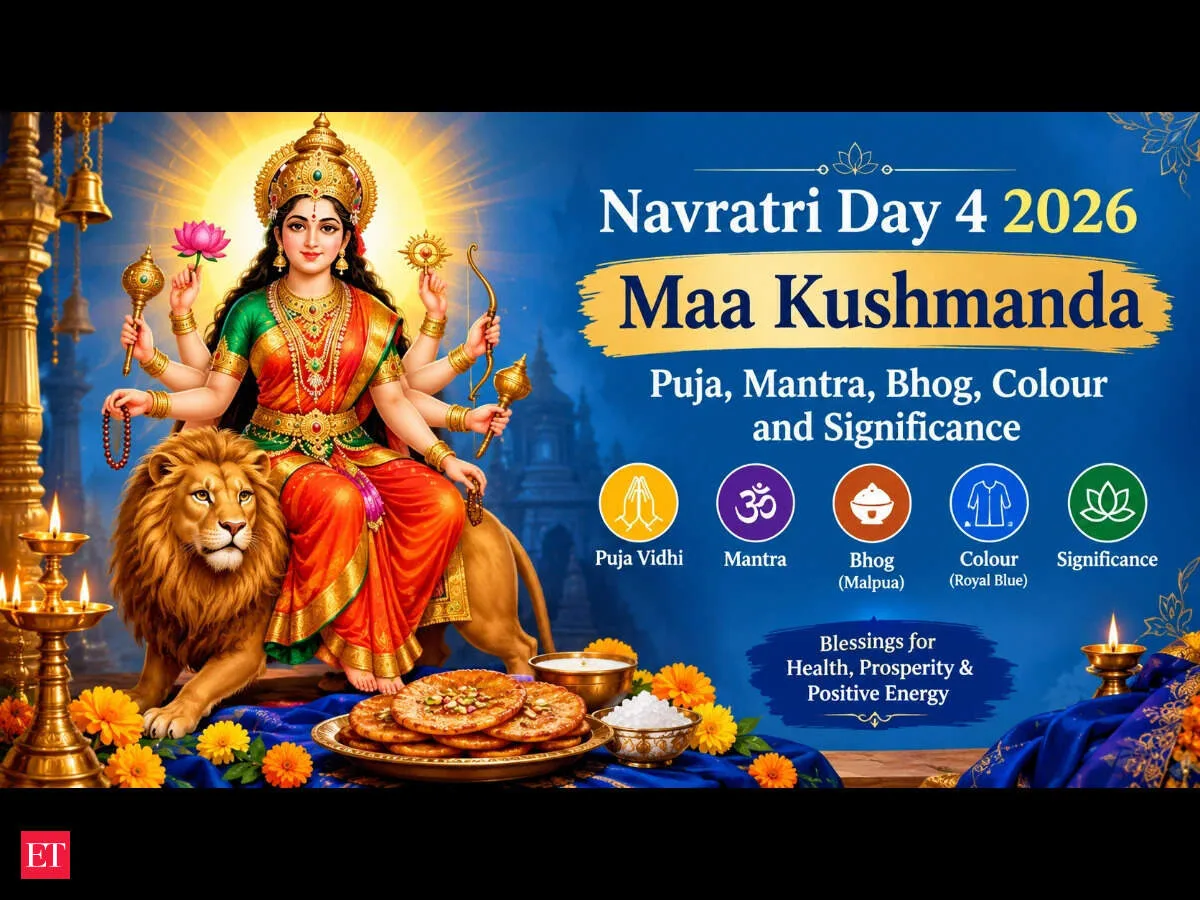
Royal blue leads Navratri Day 4 celebrations
Across India, the fourth day of the 2026 Navratri festival is being marked with the hue royal blue, as indicated by the most widely‑referenced colour charts for the occasion. The day honors the fourth manifestation of the goddess Durga, known as Maa Kushmanda, and devotees associate the shade with creation, vitality and prosperity.
Who is Maa Kushmanda?
Maa Kushmanda is revered as the cosmic creator among the nine forms of Durga. Hindu lore describes her smile as the spark that brought the universe into being, dispelling primordial darkness. She is frequently depicted with eight arms holding items such as a lotus, a mace and a pot of nectar, and is linked to the Sun, the source of light and life.
Rituals and offerings for the blue‑themed day
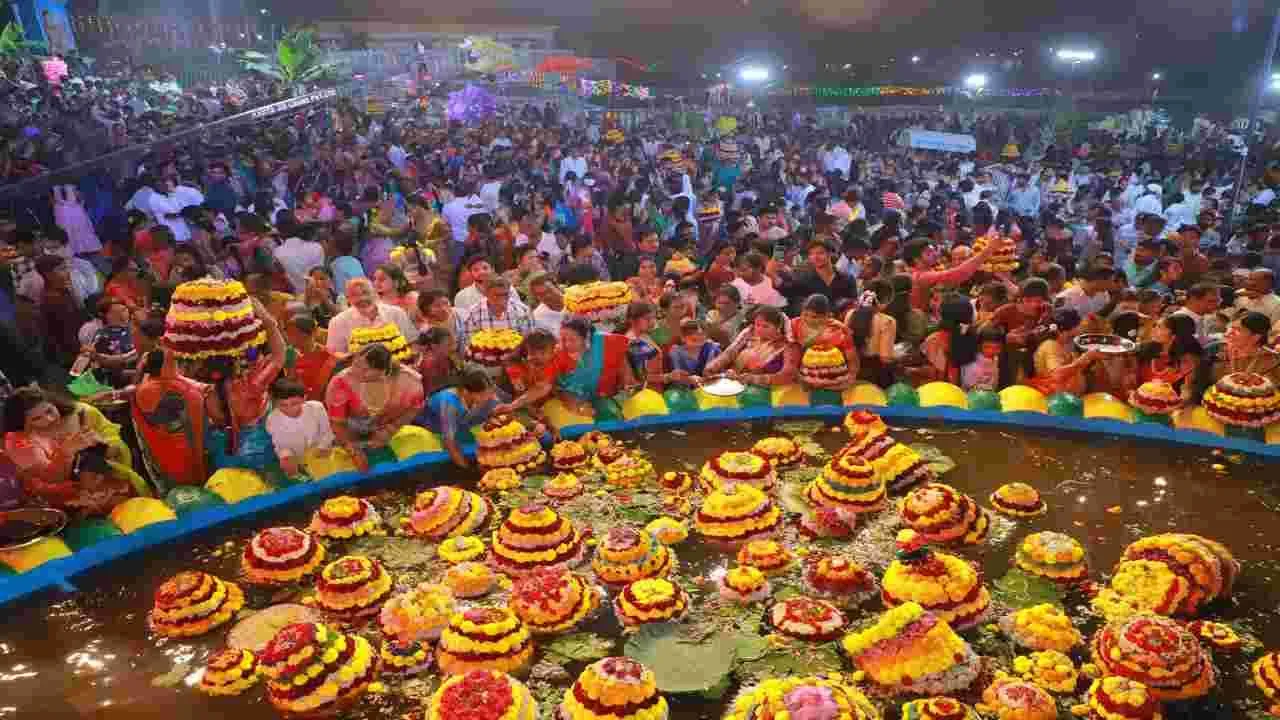
On October 14, 2026, families perform a simple puja that includes cleaning the worship space, lighting a lamp, and presenting fresh flowers, rice, kumkum and sandalwood paste. The traditional sweet offered to Maa Kushmanda is malpua, a fried pancake made from flour, milk and sugar. Some households also include seasonal vegetables like pumpkin or ash gourd.
Devotees chant the mantra “Om Devi Kushmandayai Namah” a prescribed number of times—often 11, 21 or 108—while focusing on the goddess’s energy. The puja concludes with aarti and the distribution of prasad among family members.
Why royal blue?
The colour royal blue is linked to the fourth day in many regional colour lists, symbolising the cosmic energy and luminous power that Maa Kushmanda embodies. While some communities may follow different shades, the prevailing custom for 2026 highlights blue as the visual representation of creation and inner strength.
What follows the fourth day?
Navratri continues for five more days, each dedicated to a different form of Durga and associated with its own colour. Observers are advised to follow the traditions observed in their own households or local community. The next day, Day 5, will shift focus to a new deity and colour, extending the festival’s narrative of divine power.
In parts of South India, the festivities coincide with seasonal weather patterns, including easterly winds as the northeast monsoon retreats. For readers interested in the broader regional context, see the recent report on South India’s changing wind conditions.
As the search interest in “royal blue colour” spikes, the colour’s prominence in Navratri underscores how cultural practices can drive online trends.
Sources: The Economic Times, The Economic Times, AP7AM, The Times of India.