

Surya Kant Contempt Notice: Court Orders KPCC Office Bearers to Reply
The Supreme Court issued a contempt notice to Kerala Pradesh Congress Committee leaders over a deleted post targeting Chief Justice Surya Kant, demanding a response.
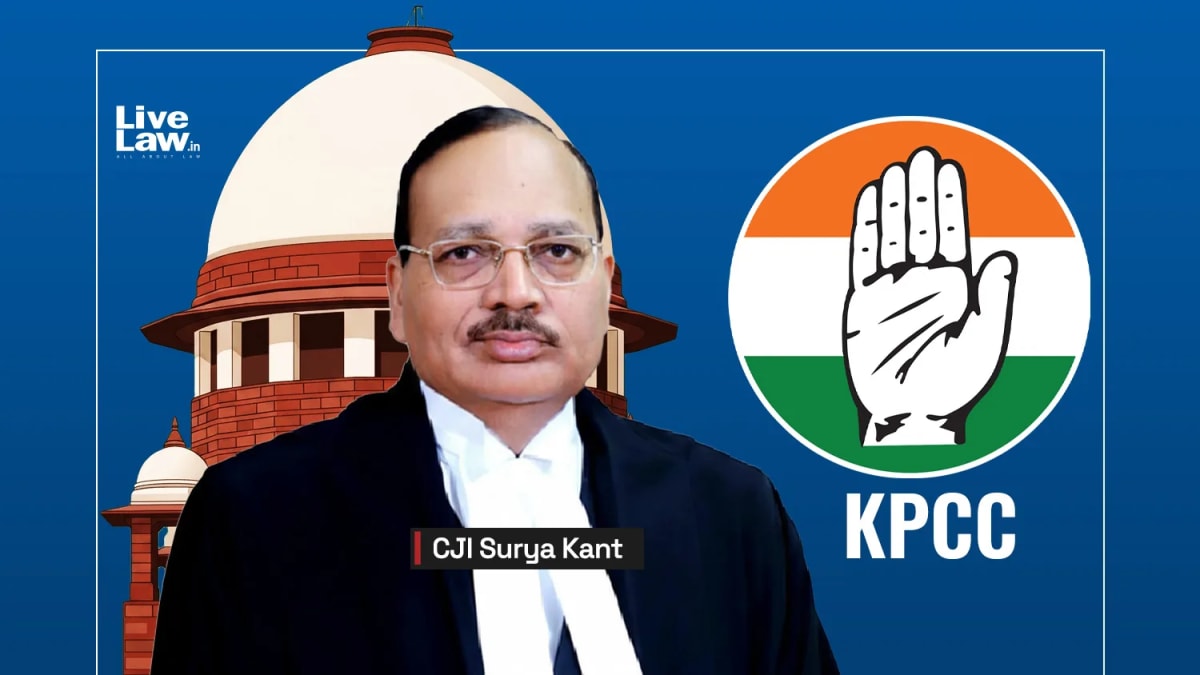
Surya Kant contempt notice: Supreme Court summons KPCC leaders
The Supreme Court on Friday issued a formal notice to the office‑bearers of the Kerala Pradesh Congress Committee (KPCC), including its president, after a deleted social‑media post targeted Chief Justice of India Surya Kant. The bench, comprising Justices Aravind Kumar and Vipul M. Pancholi, asked the party officials to explain why contempt proceedings should not be started.
Supreme Court contempt notice details
During the hearing of a writ petition filed by Advocate Vineet Jindal, the court examined whether the apology issued by the KPCC was genuine. Justice Aravind Kumar emphasized that the court would assess “whether it has come from the pen or your heart.” The order underscored the supremacy of the Constitution and the independence of the judiciary, stating that no individual or political organisation stands above the law.
Content of the disputed post
The post, published on the official X account of the Indian National Congress Kerala unit (@INCKerala) on October 12, 2026, read: “Dear Surya Kant, If law and order is not your domain, resign now. We will find your replacement who can handle it.” After widespread criticism, the post was removed. The KPCC claimed the material was uploaded by a party worker without leadership approval, that the individual was stripped of responsibilities, and that an unconditional apology was later tendered.
KPCC office‑bearers’ response
Representatives for the KPCC argued that the content was posted without the consent of the office‑bearers. KPCC President Sunny Joseph, in response to a legal notice, expressed regret and affirmed that the post was unauthorized. The court, however, issued a show‑cause notice to all office‑bearers, exempting them from personal appearance, and indicated that senior advocates Arvind Datar and Siddharth Agarwal might be appointed as amicus curiae.
Judicial stance on free expression and contempt
The bench reiterated that while judgments are open to criticism, “freedom of expression cannot become a shield for intimidation or interference with the administration of justice.” It warned that attempts to undermine the court’s authority would be dealt with “an iron hand” and that judicial restraint should not be mistaken for institutional weakness.
Next steps in the contempt proceedings
The Supreme Court will examine whether the material warrants the exercise of powers under Article 129 of the Constitution and may decide on initiating criminal or civil contempt proceedings under the Contempt of Courts Act, 1971. The Attorney General has been asked to assist, and the matter remains under judicial review without any comment on its merits at this stage.
Sources: Live Law, The Hindu, Deccan Herald.
Frequently asked questions
Why did the Supreme Court issue a notice to the KPCC?
What was the content of the post that led to the contempt notice?
How did the court describe the balance between free speech and contempt?
What procedural steps did the court order regarding the contempt case?
Related stories

Tribal Leader Nisha Bhagat Dies by Suicide Following Facebook Live in Ranchi
Tribal leader nisha bhagat died by suicide in Ranchi after recording a tearful Facebook Live video pointing fingers at the administration and land mafia.
Former US Senator Jay Rockefeller Passes Away at Age 89
John D. Rockefeller IV, the former West Virginia governor and long-serving U.S. senator from a prominent dynasty, has died at 89.
Lakewood Shooting Leaves One Officer Dead, Three Injured on RTD Bus
A Lakewood police officer was killed and three fellow officers wounded after a gunman opened fire on an RTD bus in Lakewood, Colorado, Thursday night.
Colleagues and Friends Remember LeAnne Selman After Tampa Citibank Shooting
Loved ones mourn LeAnne Selman, a Citibank human resources worker and talented dancer killed during a recent campus shooting in the Tampa area.