

TRAI Launches Network Anubhav Platform to Map Connectivity and Curb Spam
The Telecom Regulatory Authority of India has introduced an interactive geospatial portal to help consumers check mobile and broadband network quality.
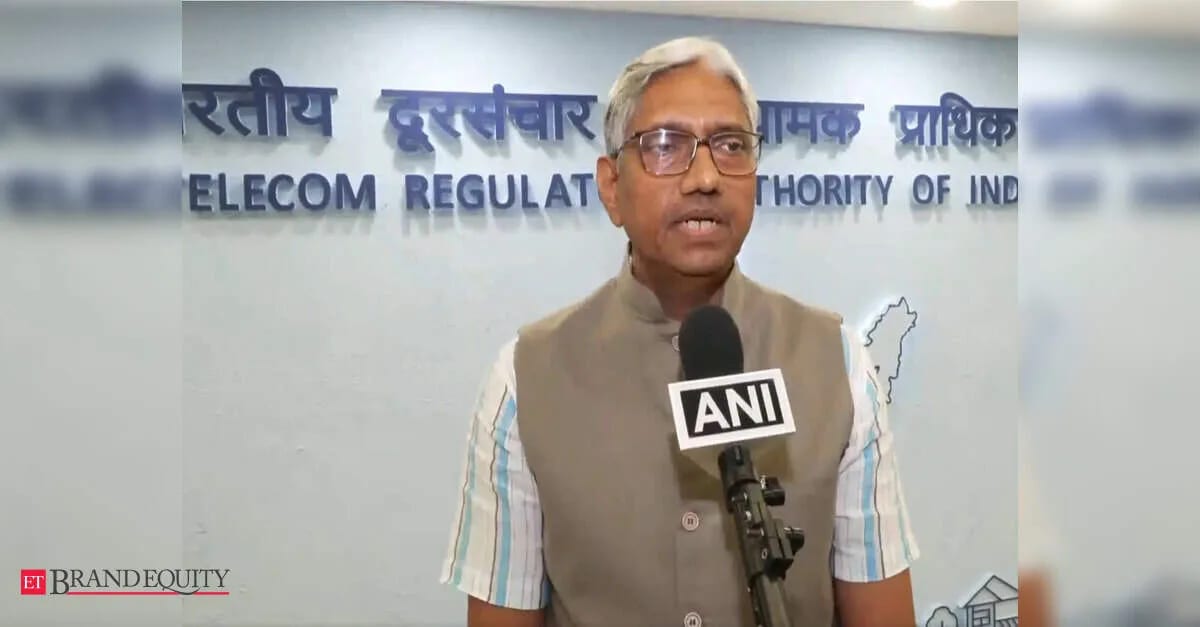
The Telecom Regulatory Authority of India has rolled out an innovative digital tool aimed at improving consumer awareness regarding telecommunication services. The initiative introduces a geospatial dashboard designed to map connectivity data and provide transparent performance insights across various regions.
Understanding the anubhav trai Initiative
During the official rollout, Chairman Anil Kumar Lahoti emphasized the regulator's ongoing dedication to controlling unwanted spam and educating subscribers. Because formal action against spammers generally requires a specific complaint, authorities are heavily focusing on awareness campaigns across television, radio, print, and social media.
The newly established anubhav trai system features an interactive map that aggregates crowdsourced test results alongside independent drive test audits conducted directly by the regulator. Consumers can easily review network experiences at specific locations based on different generations of technology, such as 5G, 4G, 3G, 2G, or fixed broadband.
Features of the TRAI Internet Speed Portal
The dashboard presents clear upload and download measurements backed by detailed data tables and downloadable reports. It calculates area-specific performance metrics, including median speeds and upper-tier thresholds for both mobile and fixed broadband formats.
Furthermore, the infrastructure incorporates a dedicated web interface for managing commercial communication preferences. Subscribers can utilize this space to register grievances, track ongoing disputes, and observe industry resolution statistics.
Developer Integration and Operator Access
To broaden measurement capabilities, the regulator introduced a specialized Software Development Kit allowing third-party developers to embed testing tools into external applications. Meanwhile, telecommunications operators are provided with secure interfaces to examine coverage parameters, call quality, timestamps, and data speeds, helping them identify exact zones that require infrastructure improvements.
Sources: ET BrandEquity, Vajiram & Ravi, The New Indian Express.
Frequently asked questions
What is the Network Anubhav Platform?
How can users check network speeds on the platform?
Does the system handle commercial communication grievances?
What generation technologies does the dashboard support?
Related stories

Campus Drivers Series Debuts on Prime Video, Starring Carmen Kassovitz
The French‑origin YA saga "Campus Drivers" arrives on Prime Video, with 24‑year‑old actress Carmen Kassovitz in her first major franchise role.

Fresh OTT Releases This Week Bring 14 New Movies and Shows to Stream
A fresh lineup of OTT releases this week brings 14 new movies and shows across platforms like Netflix, JioHotstar, Zee5, and Amazon Prime Video.

Amazon Prime Uber Eats Partnership Offers $0 Delivery for Members
Amazon Prime members can now order Uber Eats meals through Amazon with no delivery fee on qualifying orders, saving up to $175 a year.

Wild Horse Nine Debuts as Oscar‑contender Alongside Godzilla Minus Zero
wild horse nine opened in U.S. theaters this Friday, offering dark humor and a reflective look at a CIA duo amid the 1973 Chilean coup backdrop, while critics note its Oscar…