

Warren Buffett Retirement Income Strategy: Low‑Cost S&P 500 ETF Guidance
Warren Buffett advises heirs to allocate 90% of cash to a low‑cost S&P 500 index fund and 10% to short‑term bonds, a plan that could turn modest monthly savings into a million‑dollar nest‑egg.
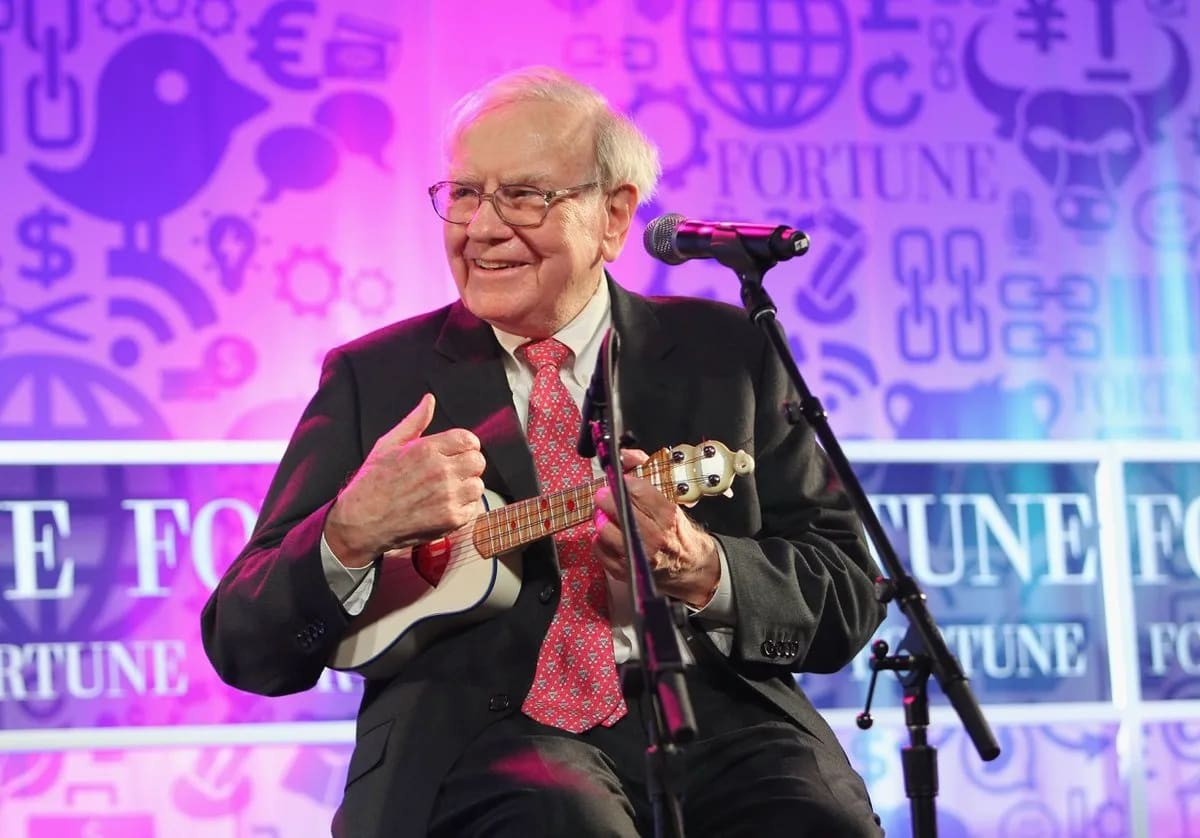
Warren Buffett’s retirement income strategy calls for a simple split: 90 % of an inheritance into a low‑cost S&P 500 index fund and 10 % into short‑term government bonds. The plan is meant to give everyday investors a reliable path to wealth over a working lifetime.
Why Buffett Prefers a Low‑Cost S&P 500 ETF
Buffett has long argued that most people lack the time and expertise to evaluate individual companies. In a 2013 letter he warned non‑professionals against trying to pick winners, urging them instead to own a broad cross‑section of businesses that “in aggregate are bound to do well.” A low‑expense S&P 500 fund fits that description.
Vanguard S&P 500 ETF (VOO) – The Fund That Meets the Criteria
The Vanguard S&P 500 ETF, ticker VOO, carries an expense ratio of just 0.03 % and tracks the S&P 500 index. Berkshire owned the fund from 2019 through 2024, showing Buffett’s confidence in its performance.
Potential Growth From Modest Monthly Contributions
Historical data suggest that the S&P 500 has delivered an average annual total return of roughly 10.7 % since 1957, including reinvested dividends. If an investor contributes $200 each month and earns that average, the balance could reach about $1 million after 37 years—roughly the span from age 23 to 60, a typical retirement window.
Key Elements of the 90/10 Rule
- 90 % in a low‑cost S&P 500 index fund – provides diversified exposure to 500 large‑cap U.S. companies.
- 10 % in short‑term government bonds – adds liquidity and stability to the portfolio.
- Reinvest dividends – historically, about one‑third of total returns come from dividend reinvestment.
- Regular monthly contributions – help smooth out market volatility and allow buying at lower prices during downturns.
Risks and Limitations
The strategy is not a guarantee. Future S&P 500 returns could be lower than the historical average, and market downturns can affect short‑term bond yields. Nonetheless, the diversification of 500 large‑cap firms and the very low expense ratio help keep costs down and risk manageable.
Buffett’s 2007 Bet on Index Funds
To illustrate his confidence, Buffett placed a $1 million wager in 2007 that a low‑cost S&P 500 index fund would beat a basket of hedge‑fund managers over ten years. The outcome affirmed his belief that index funds can outperform most active managers.
How This Advice Fits Modern Retirement Planning
While the numbers assume a 37‑year horizon, the core idea—steady, low‑cost, diversified investing—remains valuable even for those with shorter timelines. The 90/10 rule offers a straightforward framework that can be adapted to various ages and financial situations.
Sources: The Motley Fool, Investopedia, AOL.com.
Frequently asked questions
What is Warren Buffett’s 90/10 rule for an inheritance?
Which exchange‑traded fund aligns with Buffett’s recommendation?
How much could $200 a month grow to using this strategy?
Related stories

Dhanteras 2026 Date and Time: When the Festival Begins and Shopping Hours
Dhanteras 2026 falls on Friday, November 6, with auspicious timings for puja and shopping. Learn the exact date, time and traditional buying guide.

एक्शन थ्रिलर ‘थीरन अधिगारम ओंड्रू’ का अमेज़न प्राइम पर 8.2 रेटिंग पुनरावलोकन
Amazon Prime पर उपलब्ध 8.2 रेटिंग वाली एक्शन थ्रिलर ‘थीरन अधिगारम ओंड्रू’ 2017 में रिलीज़ हुई, जिसमें डीएसपी धीरन की कठिन जांच को दर्शाया गया है।
Apple TV Nocturne Showrunner Interview Highlights Series Vision and Cast
The showrunner of Apple TV's Nocturne discussed adaptation choices and the series' dark tone, while also commenting on Stephen Graham's chilling performance and the ensemble cast.

Aircraft Carrier USS Enterprise Begins Final Journey to Scrapyard
The historic USS Enterprise, the first nuclear‑powered aircraft carrier, has been towed from Newport News and is now heading toward a scrapyard after its final voyage from…