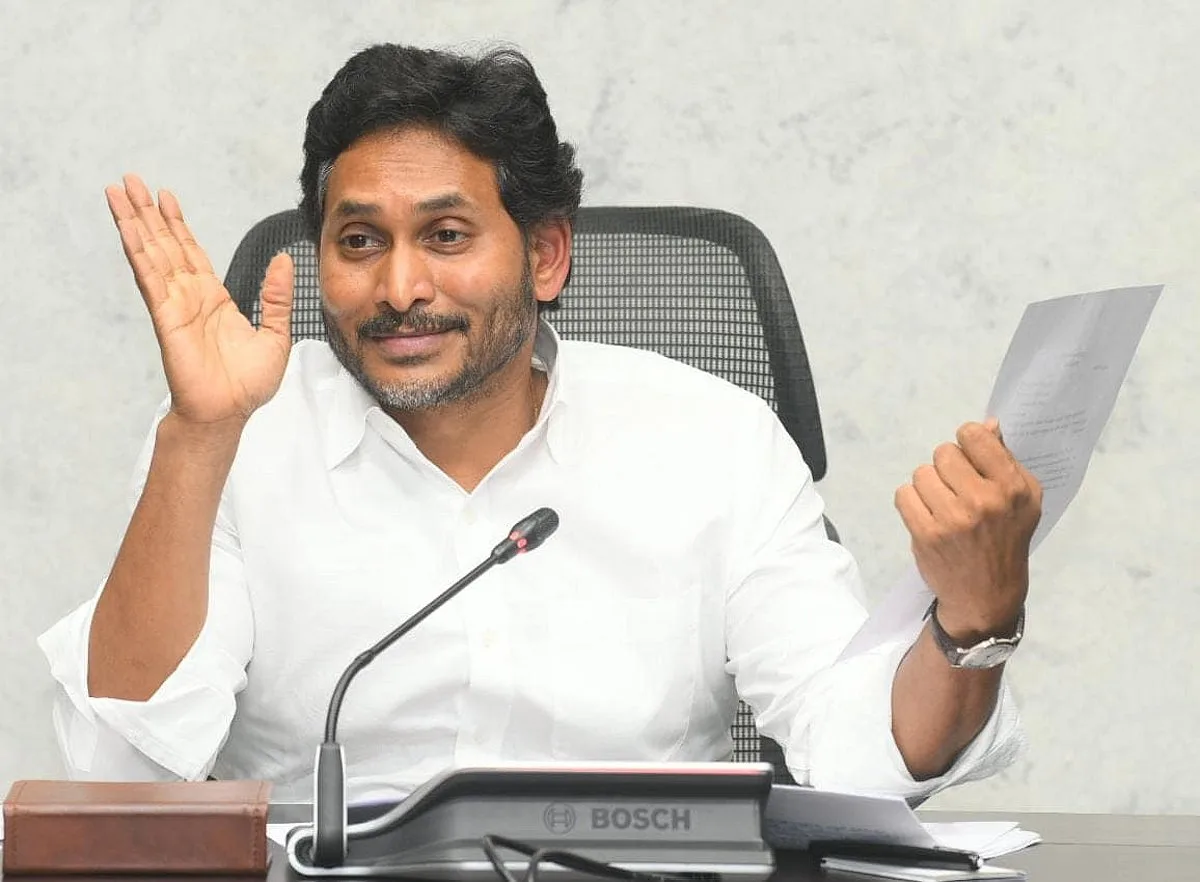
Former Andhra Pradesh chief minister Y.S. Jagan Mohan Reddy said on Sunday he regrets supporting the 2023 law that altered the appointment process for Election Commissioners. He described the change as a mistake and urged a neutral mechanism to restore confidence in elections.
ys jagan regrets 2023 ec law – why the decision is being questioned
Jagan explained that the current committee for appointing the Chief Election Commissioner now consists of the Prime Minister, the Leader of the Opposition in the Lok Sabha and a Union minister nominated by the Prime Minister. He noted that the Chief Justice of India, who previously sat on the panel, has been removed, giving the ruling party two votes against one from the opposition.
Jagan regrets YSRCP’s backing of 2023 Election Commissioner appointment law
The YSR Congress Party had supported the bill in Parliament, but Jagan said the party now recognises the flaw. He compared the situation to a student being examined by the teacher who also sets the exam, saying an examiner cannot be appointed by a student.
YSR Congress chief expresses regret over 2023 Bill for CEC appointment
He called for reforms that would make the selection of both State and Central Election Commissioners neutral. For state appointments, Jagan suggested a panel comprising the Chief Minister, the Leader of the Opposition and possibly the Chief Justice of the High Court.
Allegations of bias in local body nominations
During nominations for local body elections, Jagan accused the State Election Commission of partiality toward the rival Telugu Desam Party. He said police were summoning YSRCP candidates under "bind‑over" pretences, denying them caste and no‑objection certificates, and allowing TDP workers to gather with weapons near nomination centres without intervention.
He also alleged that police helped TDP supporters enter returning officers' rooms, seize nomination papers and assault YSRCP candidates, while the police remained idle. Jagan cited specific incidents in Punganur, where a YSRCP MP’s convoy was attacked, and in Pulivendula, where police allegedly used lathis and rifle fire against filing candidates.
Calls for neutral appointment process to restore public confidence
Jagan concluded that the current arrangement undermines the Constitution and public trust. He urged the Union government to revise the bill, reinstating the Chief Justice’s role and ensuring that no ruling party can dominate the selection of election officials.
Sources: The News Minute, NDTV, TheWire.in.