

Aleksandar Vucic Concedes Defeat in Serbia After Major Political Shift
Aleksandar Vucic has conceded defeat following a significant political shift in serbia driven by a growing student-led national movement.
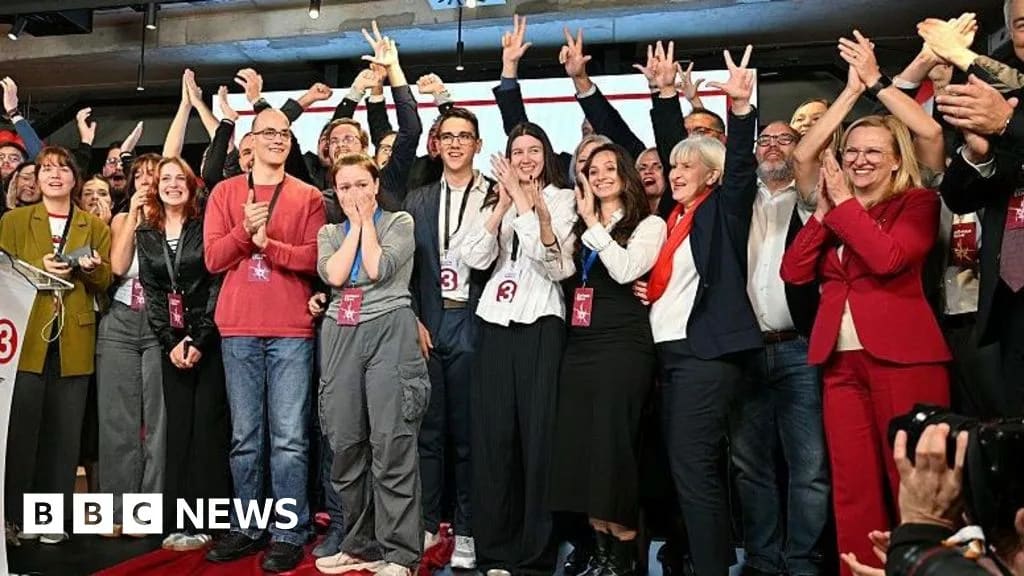
Political Shift in serbia as Long-Time Leader Steps Back
Long-time leader Aleksandar Vucic has conceded defeat following a remarkable political shift in serbia. The unexpected outcome follows months of mounting civil pressure and grassroots mobilization.
What began as weekly campus demonstrations for justice on university grounds and city streets quickly blossomed into a broad national movement. The coalition ultimately incorporated various segments of society, including local farmers, actors, and judges.
The Rise of the Student Movement
As the leaderless student movement gained momentum, participants organized themselves through local assemblies and plenums. This structure allowed them to channel emotional energy into organized oversight, teaching members how to protect ballot fairness at polling locations.
Helena Ivanov noted that the group successfully translated momentum into proper organization. Gordana Delić, head of the Balkans programme at the German Marshall Fund of the US, described Sunday's vote as a de facto referendum centred on the rule of law rather than rule by law.
Government Reaction and Snap Elections
The ruling administration faced intense pressure as dissent grew. Earlier, in an effort to defuse mounting tensions, the prime minister resigned. Eventually, snap elections were called, catching a well-prepared activist network ready to participate.
While the incumbent initially characterized demonstrators as well-intentioned, his tone shifted prior to the vote as he accused them of trying to dismantle the nation. Even after stepping back on Sunday night, unverified claims were made alleging outside backing from unnamed European nations and the American deep state.
What Comes Next for the Country
Uncertainty remains regarding who will govern next, though it is confirmed that student figures will not take office. Candidates from the student lists chose not to run, a calculated decision given that voters might have been hesitant to support candidates lacking extensive life experience. While Ilija Srdanović topped the candidate list, he is not currently viewed as a likely prime minister.
Sources: BBC, CBS News, CNN, The New York Times.
Frequently asked questions
Who conceded defeat in the election?
What triggered the national protests?
Will student leaders run the government now?
What allegations were made following the vote?
Related stories

उमर अब्दुल्ला Marries Journalist Nidhi Razdan Amid Public Reactions
Jammu & Kashmir Chief Minister उमर अब्दुल्ला wed senior reporter Nidhi Razdan, sparking praise from actress Hina Khan and debate among religious leaders.
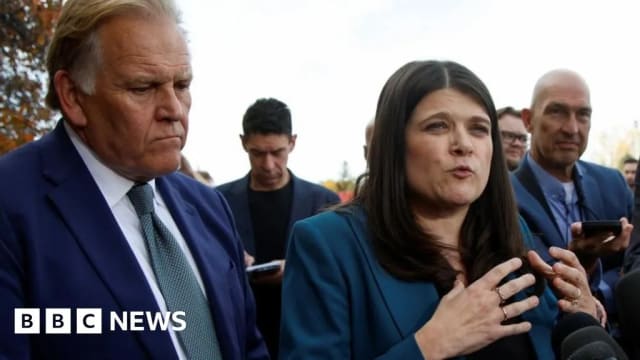
Michigan Democrat Haley Stevens Sparks Controversy Like Jason Turkish
Democratic Representative Haley Stevens stunned her party by endorsing Republican Mike Rogers in a tight Michigan Senate race after a public feud with Abdul El-Sayed.
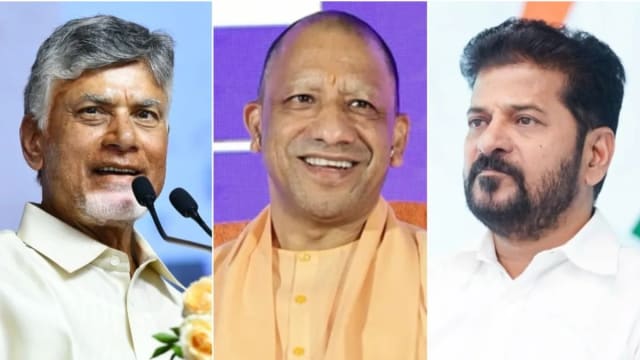
National Survey Places Andhra Pradesh Leadership Among Top Chief Ministers
A recent nationwide performance survey has placed the leadership of Andhra Pradesh in the top ten chief ministers list, highlighting administration and public approval metrics.
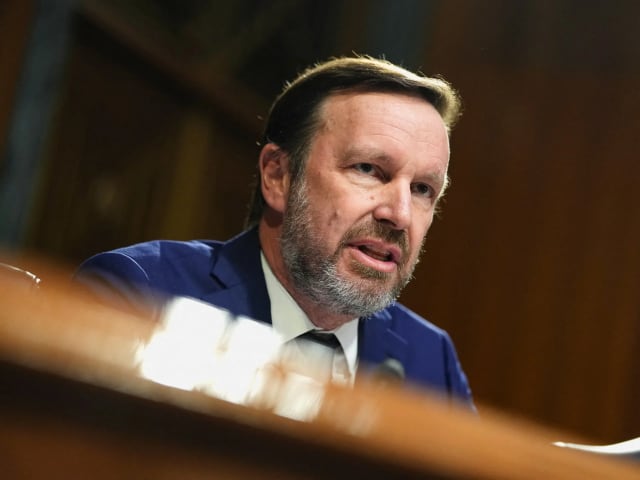
US Senator Chris Murphy Recovering in Hospital Following a Stroke
United States Senator Chris Murphy is currently awake, alert, and responding well to medical treatment after suffering a stroke.