

Ancient Mars Meteorite Discovered in Sahara Offers Crust Insights
A rare space rock discovered in the desert provides scientists with a window into the ancient geological history of the Red Planet.

A rare mars meteorite has given researchers an unprecedented look into the geological history of the Red Planet. Scientists have been examining a slice of the ancient rock to uncover details about planetary formation.
Researchers utilize specialized imagery to examine these space rocks. Reflected light images act as geographical guides, directing experts toward specific minerals that can be evaluated using various scientific instruments.
Sahara Desert Martian Meteorite Discovery
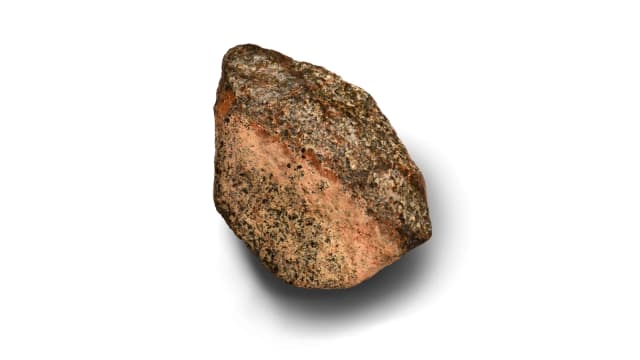
The remarkable sample, known scientifically as Teghaza 001, stands out as one of the most ancient Martian stones ever recovered on Earth. Experts utilized a specific slice of this sahara desert martian meteorite discovery to successfully calculate the exact age of the material.
Annotations on detailed laboratory images highlight distinct components within the matrix. Bright grains reveal iron-titanium oxides, while medium gray sections consist of pyroxene. Both of these mineral types provide critical clues regarding how the crust and mantle of Mars originally developed.
Understanding the Ancient Meteorite
Further analysis of the meteorite reveals physical changes caused by intense cosmic events. Darker gray areas feature shocked plagioclase, a mineral alteration formed by massive pressures during violent impacts. Researchers believe an intense impact event is what originally launched the rock through space toward our planet.
Additionally, the sample displays alterations consisting of fine-grain carbonate, sulfate, and clay minerals, which formed after the rock arrived on Earth. Ongoing investigations of these elements continue to expand our understanding of planetary evolution and space science.
Sources: NASA Science (.gov), The New York Times, Ars Technica.
Frequently asked questions
How old is the Teghaza 001 meteorite?
Where was this Martian meteorite found?
What minerals are found in the Teghaza 001 slice?
How was shocked plagioclase created in the rock?
Related stories
NASA-Funded Study Confirms Teghaza 001 Is a 4.1-Billion-Year-Old Martian Meteorite
Scientists have confirmed that an 800-gram pink rock found in the Sahara Desert is a 4.1-billion-Year-old piece of Mars, offering new insights into the planet's ancient crust.

Samsung News App Discontinued 2026: Shutdown Details Revealed
Samsung has announced plans to shut down its built-in news aggregation service across Galaxy phones and tablets by December 2026.

Rare Rose-Colored Meteorite Confirmed as Ancient Piece of Mars
A rose-colored space rock found in Mali has been identified by NASA researchers as a 4.1-billion-year-old chunk of Mars.

T-Mobile CEO Rejects SpaceX MVNO Deal During Third-Quarter Earnings Call
T-Mobile leadership has explicitly ruled out extending a mobile virtual network operator agreement to SpaceX, emphasizing satellite use as strictly complementary.