

Building Boom Puts Thousands at Risk of Himalayan Disasters in Nepal
A recent study shows that rapid construction and tourism expansion in Nepal and neighbouring regions have placed at least 300,000 people in the path of potential disasters.
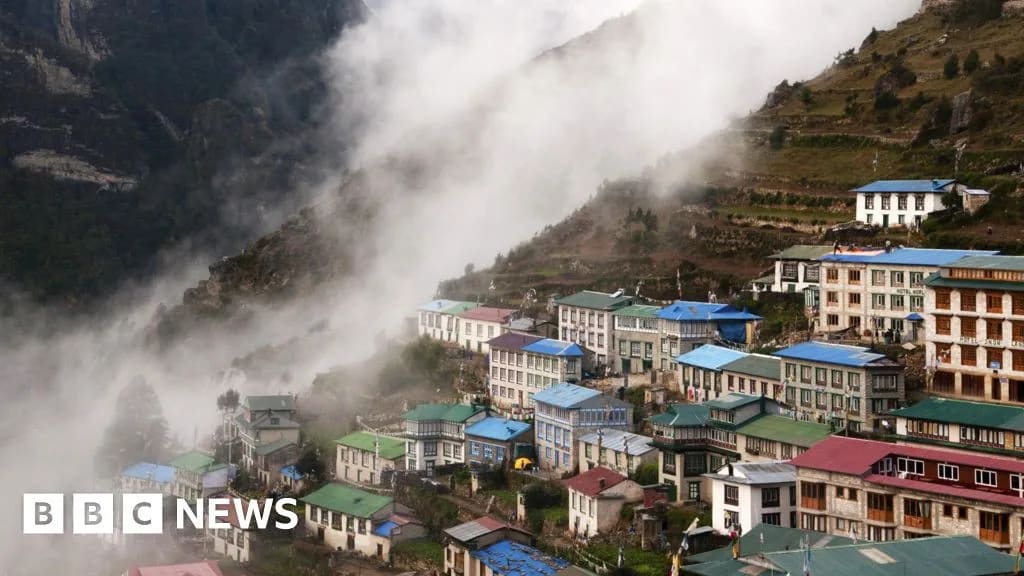
Rapid Development Threatens Himalayan Communities
A recent study indicates that a surge in construction and tourism facilities across parts of nepal, Tibet, and India has placed at least 300,000 people in the path of potential natural disasters. Researchers discovered that built-up land within high-risk Himalayan zones increased by roughly 45% between 2016 and 2023.
In areas specifically threatened by potential glacial lake outbursts, development expanded even more rapidly, climbing by nearly 78% over the same timeframe according to findings published in Scientific Reports. Scientists note that the actual figure of individuals at risk could be significantly higher because the analysis focused exclusively on a defined territory rather than all surrounding vulnerable valleys.
Tourism and Infrastructure Expansion in Vulnerable Valleys
The peer-reviewed research was conducted prior to devastating mass floods in August that resulted in over 1,400 deaths and left thousands missing across nepal. Additional localized incidents have since occurred, such as flooding along the Budhi Gandaki river on 11 October, which damaged 200 homes, swept away five bridges, and left five individuals missing.
Investigators from the UK, nepal, and India analyzed regions situated up to 50km downstream from Himalayan rivers, alongside approximately 1,360 glacial lakes. The findings highlight widespread real estate growth, tourism facilities, and infrastructure projects. In the major tourist hub of Pokhara, located near the Annapurna mountain range, officials acknowledge that enforcing safety rules—such as keeping older buildings away from river banks—presents a major municipal challenge.
Climate Pressures and Rising Temperatures
According to experts, the mounting risks in these environments are heavily fueled by regional warming occurring at twice the global average rate. This accelerated temperature rise speeds up the melting of glaciers, snowpacks, and permafrost, while shifting weather patterns cause rain to fall at high altitudes previously reserved for snow.
These combined environmental pressures frequently trigger slope failures, rock and ice falls, and the dangerous expansion of glacial lakes. With tourism investors and local entrepreneurs continuing to build along vulnerable river banks without comprehensive planning, researchers warn that current development choices will dictate disaster risk for decades to come.
Sources: BBC, Rediff, Rising Kashmir.
Related stories

Central Board of Secondary Education Prepares for Upcoming 2027 Exams
Students await the official Central Board of Secondary Education schedule for the 2027 examinations, following the closure of candidate list submissions.
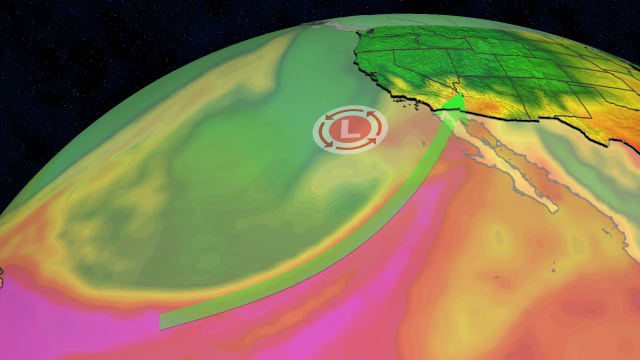
Central Arizona Floods Trigger Evacuations and Severe Weather Warnings
Mandatory evacuations and road closures unfold as an atmospheric river brings heavy rain and a heightened flash flood threat to parts of the region.

Local Holiday Declared for Thiruvalla Taluk Due to Parumala Perunal
A local holiday has been officially declared for all government offices and educational institutions within the Thiruvalla region on Monday.

Royal Enfield Himalayan 750 Teased Ahead of Expected EICMA Reveal
Royal Enfield has shared a video teaser for the upcoming royal enfield himalayan 750, pointing toward a debut at the EICMA exhibition.