

CDC Report Warns That Drug Resistance Poses Growing Threat to US
Federal health officials have released a new report highlighting a significant rise in drug resistance across the United States, causing tens of thousands of deaths annually.
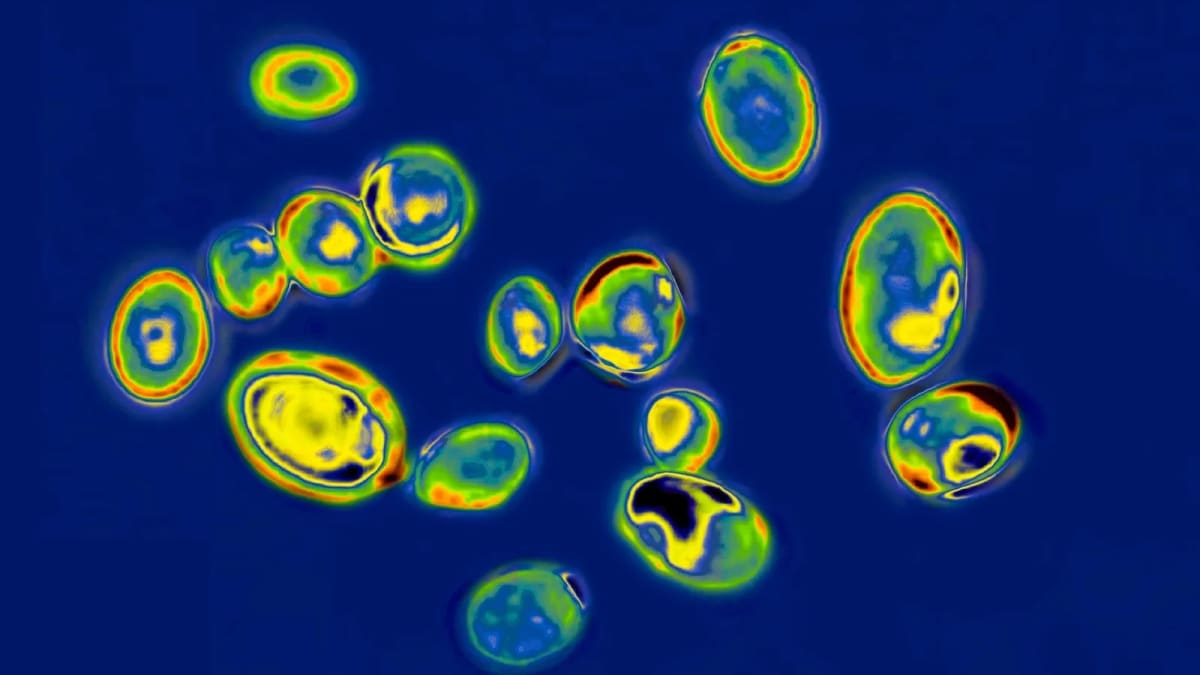
CDC Warns of Rising Infections and Deaths
Federal health authorities have issued a stark warning regarding the escalating dangers of drug resistance throughout the United States. According to a newly published report from the Centers for Disease Control and Prevention (CDC), resistant germs are an escalating danger that undermines modern medicine.
The agency estimates that drug-resistant bacteria and fungi account for roughly 9.7 million infections and over 50,000 deaths annually nationwide. Officials emphasize that these resistant pathogens leave healthcare providers with fewer effective treatment options, lead to extended hospital stays, and increase the likelihood of severe complications.
Threat Levels and Urgent Pathogens
To better track these dangers, the CDC sorts resistant germs into three distinct categories: urgent, serious, and concerning. Four specific pathogens currently occupy the highest tier as urgent threats.
Among them is Candida auris, a fungus capable of causing severe bloodstream infections, which saw reported cases surge by more than 50% between 2022 and 2023. Other urgent threats include drug-resistant Neisseria gonorrhoeae—the bacterium responsible for gonorrhea—as well as carbapenem-resistant Enterobacterales and carbapenem-resistant Acinetobacter, which resist some of the strongest antibiotics available.
Community Spread and Prevention Progress
While many resistant germs primarily spread inside hospitals and nursing homes, some are making headway in everyday settings. For example, drug-resistant Neisseria meningitidis has been newly classified as a serious threat due to its ability to spread through close contact in environments like college dormitories.
Despite these mounting challenges, public health initiatives have shown that preventive measures can succeed. The gut infection C. diff was recently downgraded from an urgent threat to a serious category after infection rates dropped significantly between 2018 and 2020 and subsequently stabilized.
Sources: ABC News - Breaking News, Latest News and Videos, The Washington Post, CIDRAP.
Frequently asked questions
How many infections and deaths are caused by drug-resistant germs in the US each year?
What are the threat levels used by the CDC for drug-resistant germs?
What is Candida auris?
Why does antimicrobial resistance happen?
Related stories

Landlords Warned About Hidden Gas Risks Inside Rental Properties
Health authorities have issued warnings regarding an invisible hazard inside residential buildings, urging proper testing protocols.

Parent Trends Shift: Preference for Girls Over Boys Grows in the US
A new wave of data shows that more parents in the United States are opting for daughters, reversing a centuries‑old bias toward sons, with IVF clinics reporting up to 80%…

Big Beautiful Bill Cuts Health Aid and Changes Tax Rules for Low‑income
The One Big Beautiful Bill Act, signed in 2025, reduces federal health funding and alters tax and SNAP policies, threatening coverage for seniors and low‑income Americans.

Understanding Rhabdomyolysis and Marathon Concerns Amid Major News Cycles
Recent search activity highlights conditions like rhabdomyolysis alongside broader national updates, though specific medical incidents remain unconfirmed in current reports.