

Daylight Savings 2026 Ends in US as Clocks Fall Back, Sleep Experts Warn
Most of the United States turned clocks back an hour on November 1, 2026, ending daylight savings 2026; experts say the extra hour may not improve sleep.
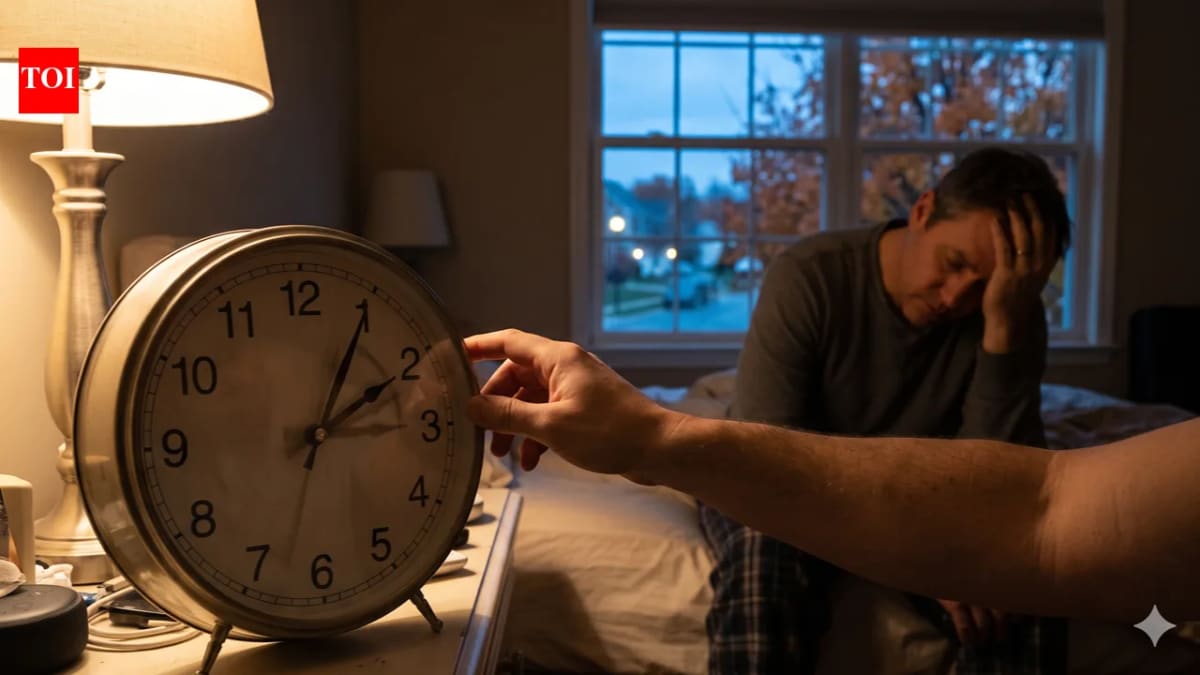
Most of the United States turned clocks back an hour on Sunday, November 1, 2026, ending daylight savings 2026. The change took place at 2 a.m. local time, giving millions an extra hour of sleep but also ushering in darker evenings until mid‑March.
Daylight savings 2026 ends across most of the United States
After Halloween night, the nation shifted from daylight saving time to standard time. In Boston, sunset moved from 5:39 p.m. on Saturday to 4:37 p.m. on Sunday, according to the National Weather Service. The shift also widened the time gap with India, adding an extra hour to the difference with the East Coast and West Coast.
Day light saving 2026 USA: timing and impact
Smartphones updated automatically, but many household appliances such as ovens, microwaves and car dashboards required manual adjustment. The change affects market schedules; for example, the New York Stock Exchange now opens at 8 p.m. IST instead of 7 p.m.
Regions that stayed on standard time
Hawaii and most of Arizona do not observe daylight saving time, so their clocks remained unchanged. U.S. territories including Puerto Rico and Guam also kept the same time. The Navajo Nation, which spans parts of Arizona, New Mexico and Utah, did observe the shift to stay in sync with its neighboring communities.
Legislative push for permanent daylight saving time
President Donald Trump has advocated making daylight saving time permanent, but the proposal faces hurdles in Congress. The House approved the Sunshine Protection Act in July with bipartisan support, aiming to keep clocks on daylight saving time year‑round. However, the Senate has not taken up the bill, and Arkansas Republican Tom Cotton has voiced strong opposition, citing the 1974 experiment that led to very late winter sunrises and was quickly reversed.
Sleep experts, including the American Academy of Sleep Medicine, favor permanent standard time because it aligns better with natural circadian rhythms. A Gallup poll showed 48 % of Americans support permanent standard time, while only 24 % favor permanent daylight saving time.
What comes next after the 2026 change
All pending daylight‑saving legislation expires in early January, just before the newly elected Congress takes office after the recent midterms. If the bill does not pass, lawmakers will need to restart the process in the new session.
The next scheduled clock change will be the spring forward on March 14, 2027, marking the start of daylight saving time for the next cycle.
For more context on how the midterm elections may affect the legislation, see When Is Election Day and What to Know About the Upcoming Midterms.
Sources: The Times of India, MARCA, WXXI News.
Frequently asked questions
When did daylight savings 2026 end in the United States?
Which U.S. regions did not change their clocks for daylight savings 2026?
What is the current status of the Sunshine Protection Act?
When will the next daylight saving change occur after the 2026 fallback?
Related stories

When Is Election Day and What to Know About the Upcoming Midterms
Discover when is election day and learn how current political pressures, economic concerns, and early voting are shaping the upcoming congressional races.

Middle East Anxiety Grows as Public Figures Like Tucker Carlson and Others Watch Regional Tensions
Middle East residents face mounting anxiety and uncertainty regarding a potential restart of the US-Iran conflict following upcoming midterms.

Michigan Democrat Haley Stevens Sparks Controversy Like Jason Turkish
Democratic Representative Haley Stevens stunned her party by endorsing Republican Mike Rogers in a tight Michigan Senate race after a public feud with Abdul El-Sayed.

Inter Miami vs New England Match Secured by Lionel Messi Heroics
Lionel Messi delivered a masterclass with an assist and a winning goal to lift Inter Miami past the New England Revolution 2-1 on Sunday.