

Middle East Anxiety Grows as Public Figures Like Tucker Carlson and Others Watch Regional Tensions
Middle East residents face mounting anxiety and uncertainty regarding a potential restart of the US-Iran conflict following upcoming midterms.
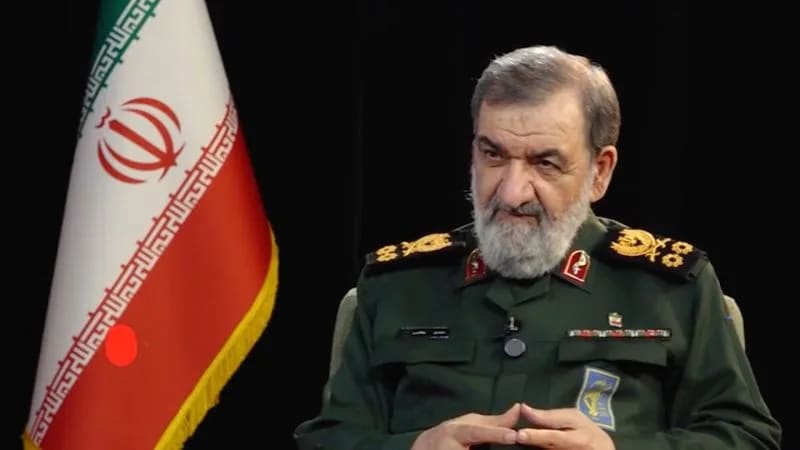
Regional Tension Sparks Interest Around tucker carlson and Middle East Security
Anxiety is rising across the Middle East as communities search for signals regarding whether the conflict between the United States and Iran will reignite after the midterms. Public figures, including commentators like tucker carlson, have drawn attention to the unpredictable geopolitical climate as residents try to gauge Washington's next moves.
Uncertainty Ahead of the Midterms
With limited transparency from Washington, people throughout Gulf Arab countries are left wondering how the situation will unfold. The conflict initially started in February when US and Israel strikes killed Supreme Leader Ali Khamenei. Now in its eighth month, the stalemate continues without a diplomatic breakthrough or a decisive military outcome. US President Donald Trump has offered mixed signals, shifting between threats of additional strikes and openness to diplomatic solutions.
Adding to the nerves, Trump posted on social media that the US will not attack Iran prior to the midterm elections, while leaving open the possibility of renewed action afterward. Meanwhile, communications between Trump and Israeli Prime Minister Benjamin Netanyahu have occurred, though specific details of their discussion remain unconfirmed aside from focusing on the regional situation.
Impact on Local Residents and Expatriates
Foreign workers and local residents are experiencing heightened caution. Many are reviewing practical preparations for potential school closures or travel disruptions. Reports of families of US diplomats discreetly leaving the area have intensified the sense of unease, creating a frustrating sense of déjà vu for those who had recently returned following earlier escalations.
As military commanders in Tehran project deterrence through claims of new weapon stockpiles, regional analysts note that distinguishing pressure tactics from genuine signals of imminent escalation remains exceptionally difficult. Observers continue to monitor developments closely as the region waits for post-election clarity.
Related stories

Daylight Savings 2026 Ends in US as Clocks Fall Back, Sleep Experts Warn
Most of the United States turned clocks back an hour on November 1, 2026, ending daylight savings 2026; experts say the extra hour may not improve sleep.

When Is Election Day and What to Know About the Upcoming Midterms
Discover when is election day and learn how current political pressures, economic concerns, and early voting are shaping the upcoming congressional races.
AIPAC Shifts Strategy and Goes Underground for 2026 Midterm Elections
The American Israel Public Affairs Committee is shifting its strategy and ending direct candidate endorsements while continuing heavy super PAC spending.

उमर अब्दुल्ला Marries Journalist Nidhi Razdan Amid Public Reactions
Jammu & Kashmir Chief Minister उमर अब्दुल्ला wed senior reporter Nidhi Razdan, sparking praise from actress Hina Khan and debate among religious leaders.