President Invokes Executive Privilege Over Facility Conversations
President Donald Trump is making a broad assertion of executive privilege to keep secret the discussions he has had about plans to renovate the John F. Kennedy Center for the Performing Arts. Court documents released by a White House lawyer indicate that this confidentiality right extends beyond official staff to cover conversations with non-government advisers.
Legal Battle Over Facility Renovations
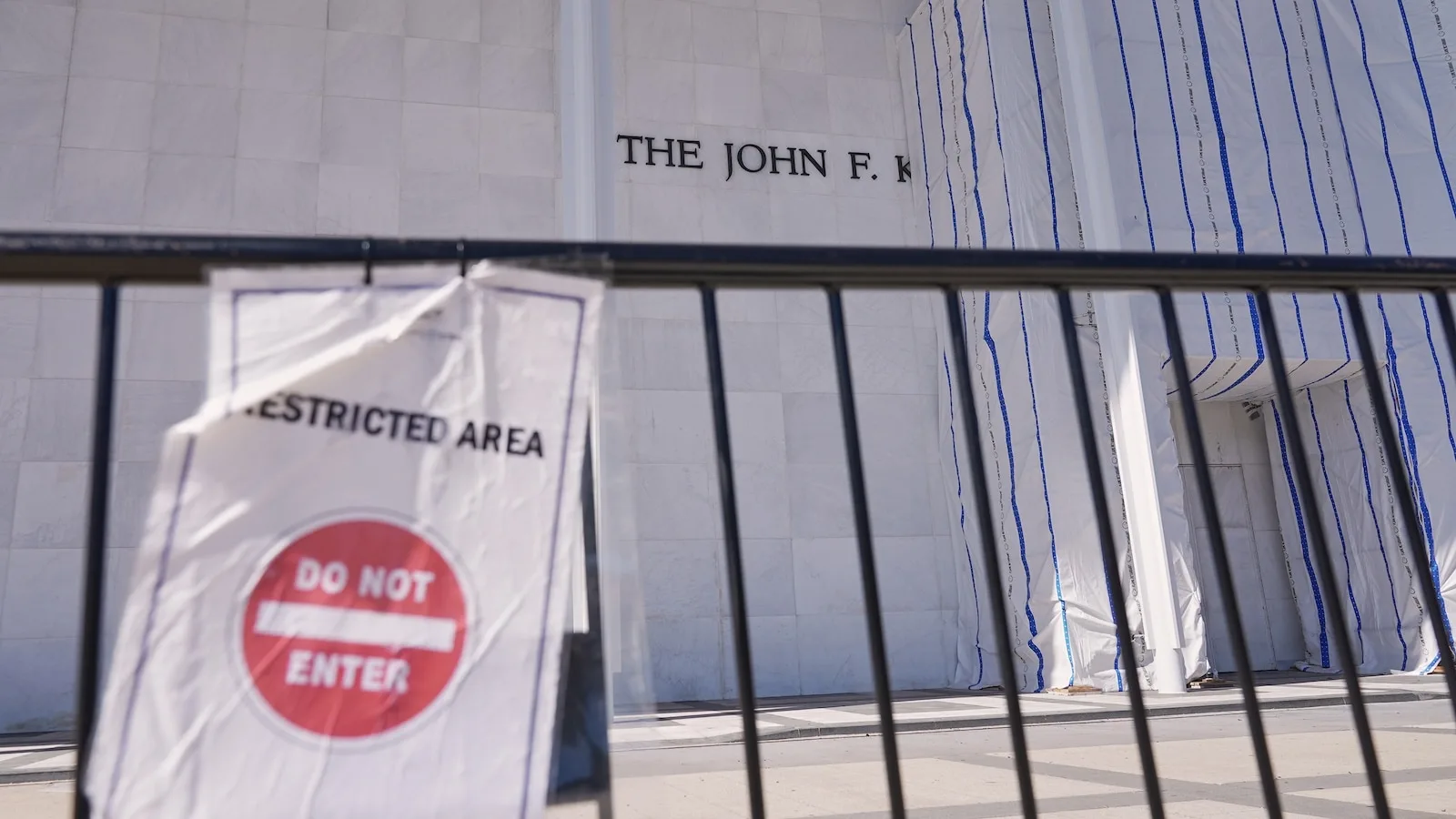
The legal move comes as Democratic Representative Joyce Beatty, serving as an ex officio trustee of the performing arts venue, pursues information in her ongoing lawsuit. Her legal challenge focuses on the planned closure and renovation of the center, alongside questions regarding potential plans by the president to demolish it. Legal counsel representing Beatty have pushed back against these developments, arguing in court that such blanket assertions of the privilege are improperly applied both procedurally and substantively.
In a sworn declaration, Deputy White House Counsel Josh Hoyt explained that the privilege claim covers exchanges with advisors from both government and non-government roles. This includes Commerce Secretary Howard Lutnick, Kennedy Center Executive Director Matt Floca, and any staff members who may have advised the administration regarding presidential duties and the proper functioning of the center.
Administration Arguments and Ongoing Litigation
Administration lawyers maintain that beyond the president's role as board chairman—a position to which he was elected by handpicked trustees—he holds an official role in the facility's operations as part of his executive capacity. The Justice Department argues that because the law grants the president authority to select board members, he must be able to evaluate whether current and future leadership manage the institution ably and fulfill their statutory obligations.
During a deposition earlier in the month, an attorney sitting beside Floca repeatedly invoked executive privilege to block questions from Beatty's lawyer regarding communications with the president, and even suggested inquiries about talks with Lutnick could breach the privilege.
The dispute follows a vote last month by the Trump-aligned Kennedy Center board to close the building for renovations, a decision made after a federal judge blocked the president's name from appearing on the building exterior in connection with an earlier lawsuit brought by Beatty. In May, U.S. District Judge Christopher Cooper blocked the planned two-year closure, finding that the board failed to adequately evaluate the impact on center finances and programming. While the Justice Department has asked the judge to dissolve that order, Cooper has not yet issued a ruling on the motion.
Sources: ABC News - Breaking News, Latest News and Videos, NewsNation, The New Republic.