

Federal Reserve Holds Interest Rates Steady in Split Vote
Federal Reserve officials voted 10-2 to keep benchmark interest rates unchanged in the 3.75% to 4% range amid ongoing inflation challenges.
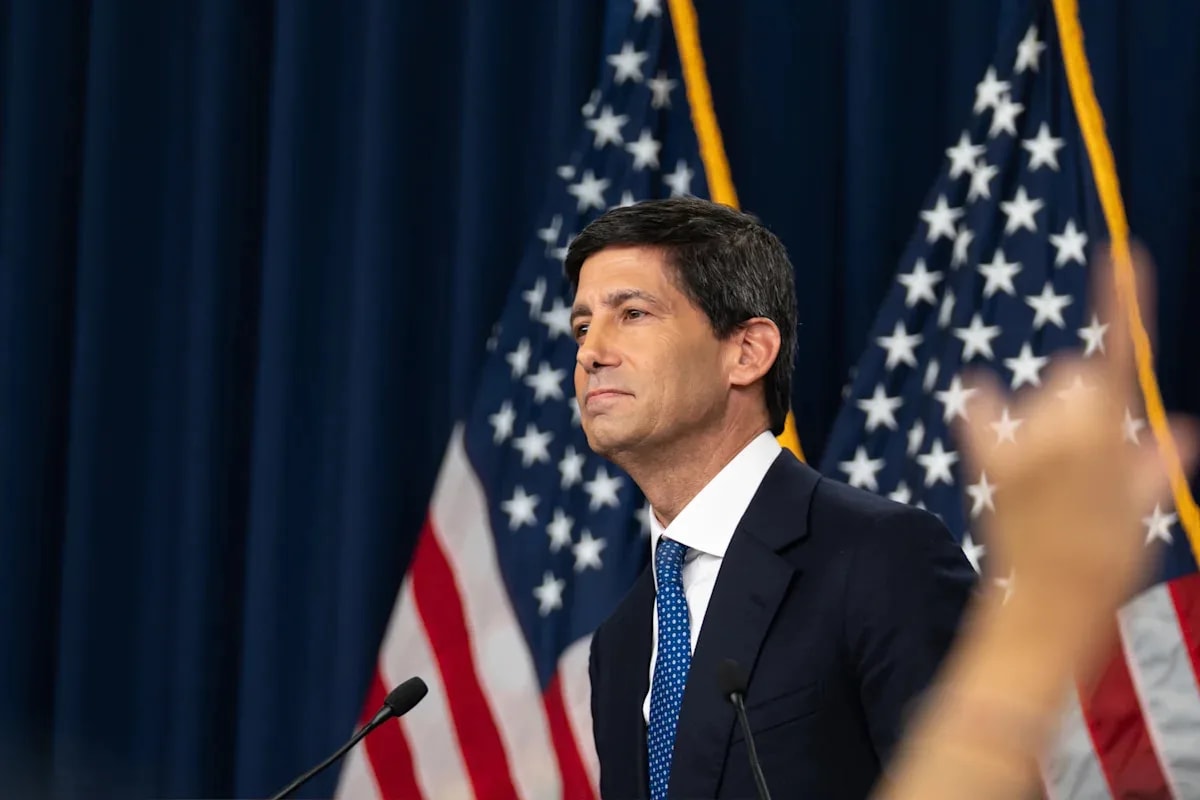
Federal Reserve Holds Benchmark Rates Steady
Federal Reserve officials voted 10-2 to keep interest rates unchanged, maintaining the benchmark rate in the 3.75% to 4% range. This crucial fed rate decision comes as elevated inflation continues to pose ongoing problems for central bankers across the country.
During the recent policy gathering, Fed Governor Lisa Cook and Cleveland Fed President Beth Hammack dissented from the majority, opting instead for a quarter-point rate hike. Despite this division, market watchers note that a future rate hike in December remains a distinct possibility based on recent projections.
Economic Outlook and Inflation Concerns
Accompanying the federal reserve interest rate decision, officials upgraded their assessment of the economy from "solid" to "strong." The Federal Open Market Committee updated its formal statement language, indicating that gathering further data will help determine its future policy path and signaling that policymakers are not rushing to ease monetary policy.
Addressing reporters during a press conference, Fed Chairman Kevin Warsh emphasized the central bank's unwavering dedication to steering inflation back down to the target level of 2%. Although recent economic data on inflation came in hotter than anticipated, leadership intends to thoroughly evaluate upcoming reports.
Addressing Political Inquiries and Schedule Adjustments
Amid discussions regarding upcoming midterm elections, Chairman Warsh pushed back against assertions that outside pressures influenced the outcome. He explicitly noted that politics played zero role in the deliberation process and that he did not hear any political chatter among his colleagues.
Additionally, the Fed chairman unveiled notable structural modifications to future calendars. Beginning in 2027, one of the eight scheduled meetings will be dedicated entirely to broad monetary policy strategy without holding any formal rate votes or releasing policy statements. Looking further ahead to 2028, policymakers plan to conduct two strategy-focused sessions alongside six standard policy-setting meetings to allow for deeper long-term deliberations.
Sources: Yahoo Finance, Honolulu Star-Advertiser, Fox Business.
Frequently asked questions
What was the outcome of the fed rate decision?
Who dissented during the fed meeting vote?
Did politics play a role in the federal reserve interest rate decision?
What changes were announced for future federal reserve meetings?
Related stories

McDonald's Tests New Value Meals as Affordability Concerns Grow
McDonald's has begun testing new everyday affordable price menu constructs in roughly 1,900 restaurants as part of an upcoming national program.
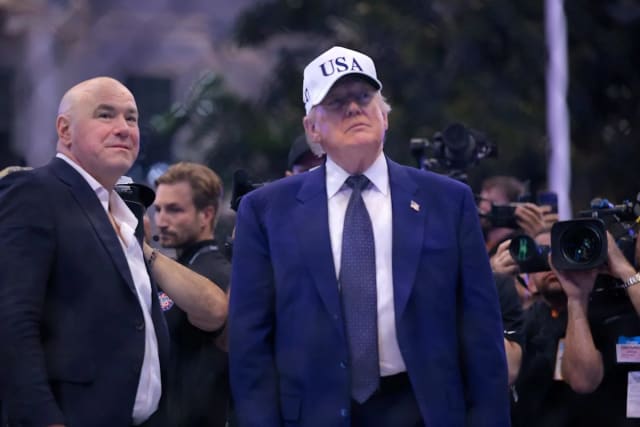
Donald Trump Offered Press Secretary Role to Dana White, Report Says
Donald Trump recently extended a surprise invitation to Dana White to serve as the next White House press secretary. However, reports indicate the UFC chief declined the position.

Muhurat Trading Time 2026: Schedule and Market Outlook for Samvat 2083
Discover the muhurat trading time 2026 schedule for Diwali, along with insights, stock picks, and market expectations for Samvat 2083.

बीमा नीति में बदलाव की तैयारी, जानिए क्या होगा कंपनियों पर असर
बीमा पॉलिसी बेचने वाले एजेंटों के कमीशन और डिस्ट्रीब्यूशन खर्च पर नए नियम लाने की तैयारी चल रही है, जिसका असर कंपनियों पर पड़ सकता है।