

IISc Professor Prathosh Ap Discusses Shastras and AI with IIT Students
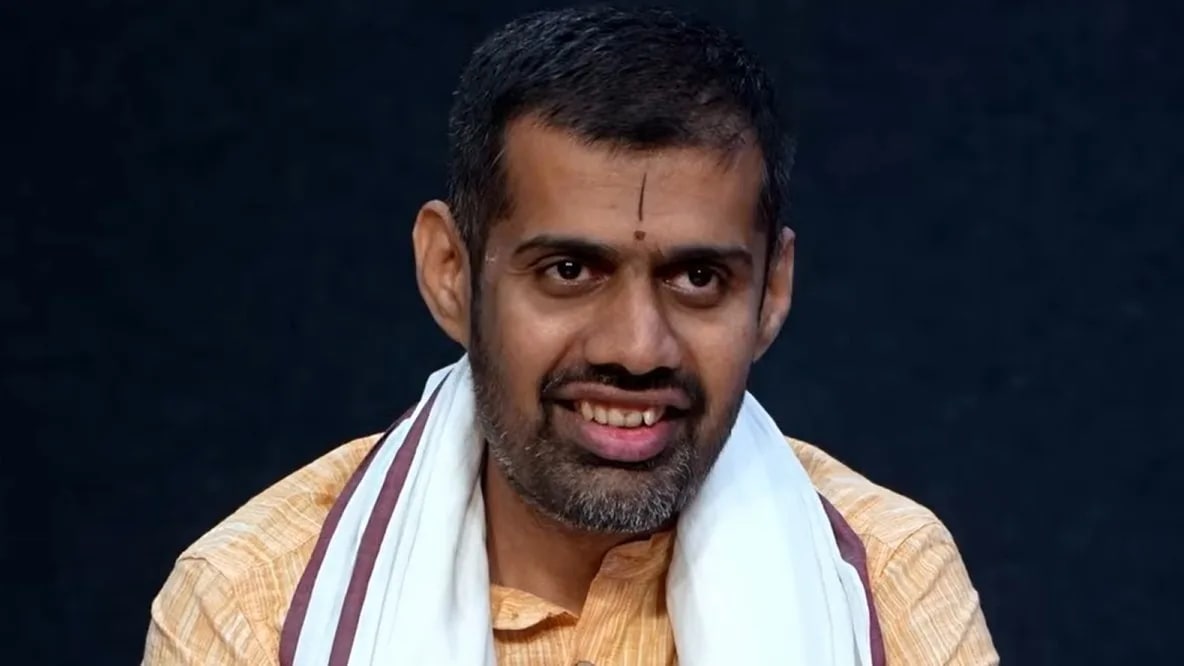
IISc Bengaluru professor prathosh ap recently engaged with IIT students regarding how ancient shastras connect with modern artificial intelligence and logic.
Exploring the Intersection of Tradition and Technology
IISc Bengaluru professor prathosh ap has sparked discussions among technical students by connecting traditional Indian learning with modern computer science. In recent interactions, he addressed how ancient texts can help frame questions of technological responsibility in the age of artificial intelligence.
As computer science commands a significant portion of contemporary education, professor AP drew attention to students from the Indian Institutes of Technology who have chosen to study shastras. He shared that these students, including top performers from the Joint Entrance Examination, sought to understand the broader role of Sanskrit and traditional texts in their intellectual development.
The Value of Shastras Beyond Material Success
The conventional pathway for many engineering students frequently focuses on gaining entry into premier institutions, securing lucrative employment, and accumulating material wealth. However, professor AP argued that examining traditional texts can encourage individuals to look past these standard metrics.
He mentioned a student who spent years studying Nyaya Shastra under his guidance with the initial intent of proving the teachings wrong. The professor welcomed this analytical stance, noting that even if students arrive at materialist conclusions, the process helps build robust logical reasoning.
Artificial Intelligence and Technological Responsibility
A central theme of the professor's address involved artificial intelligence and the ethical challenges it introduces to modern society. Describing AI as a potent force that humanity is still learning to navigate, he suggested that traditional frameworks can guide how such systems are developed and utilized.
Drawing parallels with the Mahabharata, he emphasized that algorithms should be constructed to support the betterment of human life. He also touched upon transformer architecture while explaining the link between language and mathematical word embeddings, though he cautioned against reducing ancient texts to mere checklists of modern scientific discoveries.
Intellectual Training Through Traditional Texts
Traditional learning is categorized into intellectual, social, and metaphysical dimensions. On the intellectual front, sustained engagement with texts like Nyaya Shastra is said to sharpen analytical capabilities. On the social and metaphysical levels, these teachings connect to concepts of dharma, wealth, and liberation as discussed in foundational literature.
Sources: India Today, The Lallantop.
Frequently asked questions
Who is prathosh ap?
Why are IIT students studying shastras?
What dimensions of study are outlined for shastras?
What did the professor say about the purpose of studying ancient texts?
Related stories

Tamil Nadu Government Launches Vetri Special காய்கறி Kit for Deepavali
The Tamil Nadu government is offering a special Deepavali vegetable bundle containing 10 varieties for a flat price of Rs. 100 at select cooperative locations.

Examining United Arab Emirates National Cricket Team vs Oman National Cricket Team Standings
Oman secured a spot at the 2027 men's World Cup Qualifiers despite a defeat to the UAE, concluding the recent ICC CWC League 2 matches.

জাহাজ চালু না হওয়ায় সেন্টমার্টিনে পর্যটকবাহী ভ্রমণ বিলম্বিত, কক্সবাজার থেকে
কক্সবাজার থেকে সেন্টমার্টিনে যাত্রা করতে নির্ধারিত পর্যটকবাহী জাহাজের চলাচল অনুমোদন না পায়, ফলে বৃহস্পতিবারের যাত্রা বাতিল হয়ে যায়।
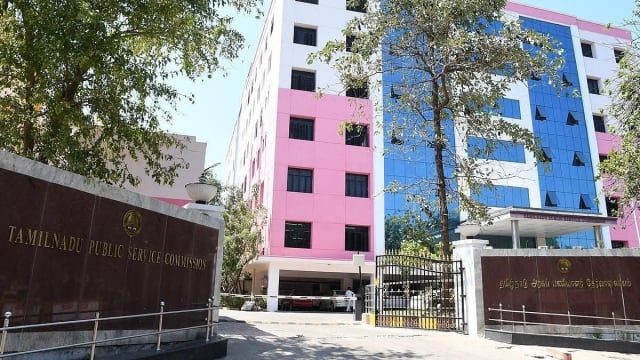
டிஎன்பிஎஸ்சி குரூப் 4 தேர்வுக்கு 9.80 லட்சம் பேர் விண்ணப்பம்: இறுதி வாய்ப்பு
டிஎன்பிஎஸ்சி குரூப் 4 தேர்வுக்கு இதுவரை 9.80 லட்சம் பேர் ஆன்லைனில் விண்ணப்பித்துள்ளனர். விண்ணப்பிக்கக் கடைசி தேதி நவம்பர் 5-ம் தேதியுடன் நிறைவடைகிறது.