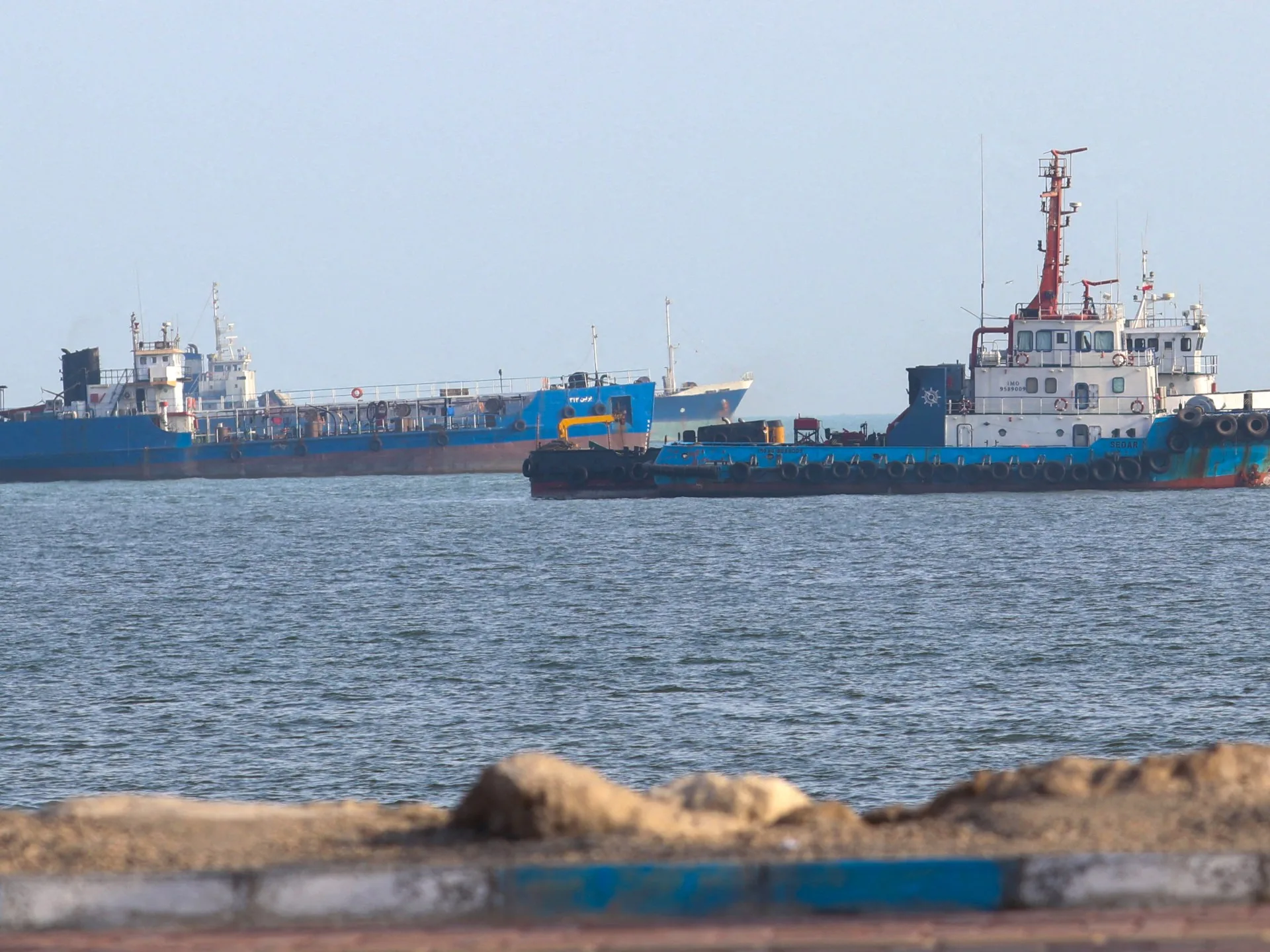
Developments in the Strait of Hormuz
Recent maritime incidents in the Strait of Hormuz have intensified international attention surrounding iran us dynamics, as commercial shipping traffic slows significantly. One cargo vessel was struck by a projectile, while a separate ship went down after coming into contact with a sea mine.
These events follow a surge of military activities in the region. According to reports, global oil prices have experienced upward movement in response to these ongoing security challenges and new tactical measures deployed in the area.
Official Statements from Iran
Addressing the maritime incidents, Iran's Islamic Revolutionary Guard Corps (IRGC) asserted that the targeted vessels were violating established restrictions. Officials in Tehran described the operations as a decisive reaction to what they termed repeated breaches of agreements by Washington.
Brigadier General Hossein Mohbi, spokesperson for the IRGC, maintained that the actions were coordinated through official military channels and senior leadership, serving as a direct response to a third alleged violation by the United States following the signing of a memorandum of understanding.
Broader Economic and Humanitarian Impacts
The persistent disruptions in the Middle East have also heavily impacted global energy markets. The International Energy Agency warned that tight diesel supplies and record-high prices could remain throughout the coming period, adding economic pressure across industrial sectors.
Meanwhile, regional conflicts continue to strain humanitarian efforts. United Nations officials noted that escalating front-line fighting has obstructed life-saving assistance for hundreds of thousands of people, while local medical facilities remain heavily burdened by casualties.
Sources: Al Jazeera, The Guardian, CNBC.