

Israel Elections Set for Tuesday in First National Vote Since October 7
Israel is holding its first national election since the October 7, 2023, attack, testing Prime Minister Benjamin Netanyahu's political future.
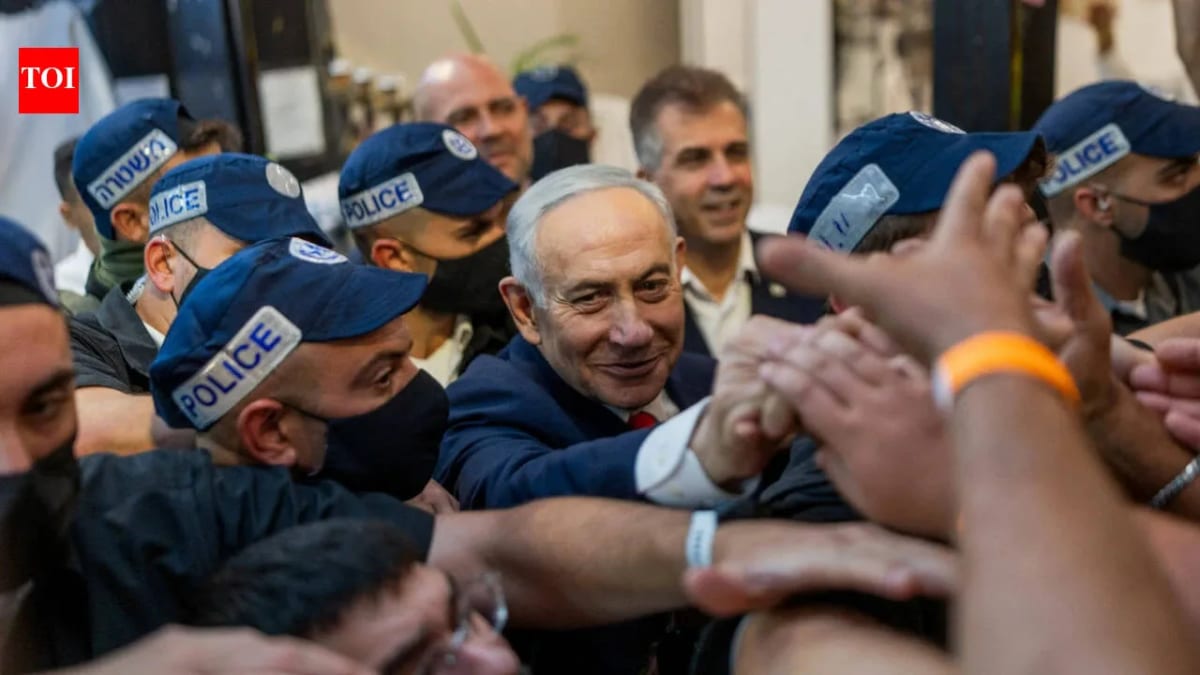
Israel Prepares for Tuesday Vote
Israel is set to vote on Tuesday in its first national election since the October 7, 2023, attack by Hamas. Prime Minister Benjamin Netanyahu faces a significant test of his leadership, security record, and political future as citizens head to the polls.
Voters are weighing Netanyahu's handling of past conflicts against mounting concerns over judicial reforms, the cost of living, and exemptions from compulsory military service. With multiple rival parties challenging his position, the upcoming israel elections will determine if he can retain power amid deep political divisions.
Key Issues and Campaign Debates
The campaign serves largely as a referendum on Netanyahu's tenure and his accountability regarding the security failures surrounding the October 7 attack. Domestic debate centers heavily on internal matters rather than military conduct in Gaza, Lebanon, and Iran.
A central point of contention is the exemption of ultra-Orthodox Jewish men from compulsory military service. Amid troop shortages and frequent reserve call-ups, these exemptions have sparked anger among secular citizens, with challenger Gadi Eisenkot pledging to end them. Additional points of division include Netanyahu's controversial judicial overhaul proposals and economic affordability.
Leading Candidates and Political Blocs
Several prominent figures are vying to reshape the political landscape:
- Benjamin Netanyahu: The country's longest-serving prime minister seeks to maintain power through his Likud party, despite facing a corruption trial, an International Criminal Court arrest warrant, and declining poll numbers.
- Gadi Eisenkot: The 66-year-old former military chief leads the centrist Yashar party, emphasizing his security background and personal sacrifices.
- Naftali Bennett and Yair Lapid: Former prime ministers who have joined forces under the Together party to campaign on national unity and stability.
- Avigdor Lieberman: The former defence minister leading the Israel Our Home party and acting as a vocal critic of Netanyahu.
- Yair Golan: The former general heading the left-wing Democrats party.
Coalition Negotiations Ahead
Because no single party is expected to secure a majority in the 120-member Knesset, the formation of the next government will heavily depend on post-election coalition negotiations. Neither major political bloc is advocating for a fundamental shift on the Palestinian question, as both are dominated by parties supporting West Bank settlements and opposing a Palestinian state.
Sources: The Times of India, Al Jazeera, The Times of Israel.
Frequently asked questions
When are the israel elections taking place?
Who are the key challengers running against Benjamin Netanyahu?
What are the main issues driving the campaign?
How many seats are in the Knesset?
Related stories

उमर अब्दुल्ला Marries Journalist Nidhi Razdan Amid Public Reactions
Jammu & Kashmir Chief Minister उमर अब्दुल्ला wed senior reporter Nidhi Razdan, sparking praise from actress Hina Khan and debate among religious leaders.
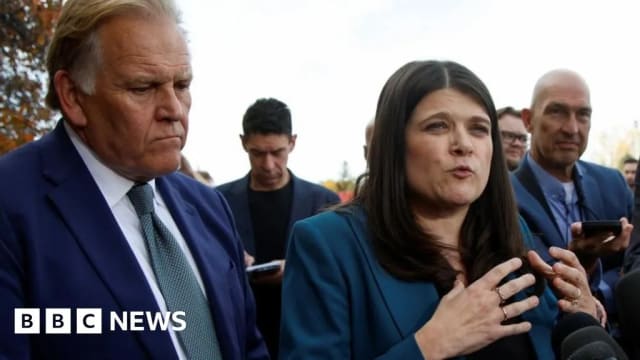
Michigan Democrat Haley Stevens Sparks Controversy Like Jason Turkish
Democratic Representative Haley Stevens stunned her party by endorsing Republican Mike Rogers in a tight Michigan Senate race after a public feud with Abdul El-Sayed.
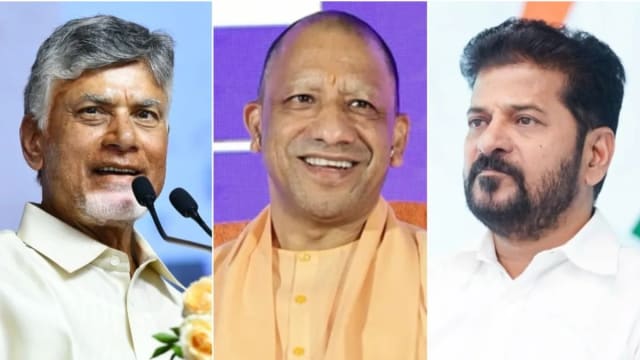
National Survey Places Andhra Pradesh Leadership Among Top Chief Ministers
A recent nationwide performance survey has placed the leadership of Andhra Pradesh in the top ten chief ministers list, highlighting administration and public approval metrics.
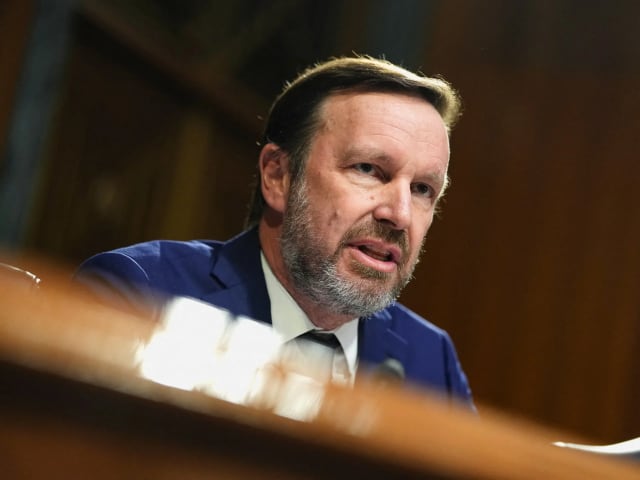
US Senator Chris Murphy Recovering in Hospital Following a Stroke
United States Senator Chris Murphy is currently awake, alert, and responding well to medical treatment after suffering a stroke.