

Israel Faces Deep Political Deadlock Following Latest Israeli Election Results
Recent Israeli election results have triggered a deep political deadlock, leaving the nation's future government leadership uncertain.
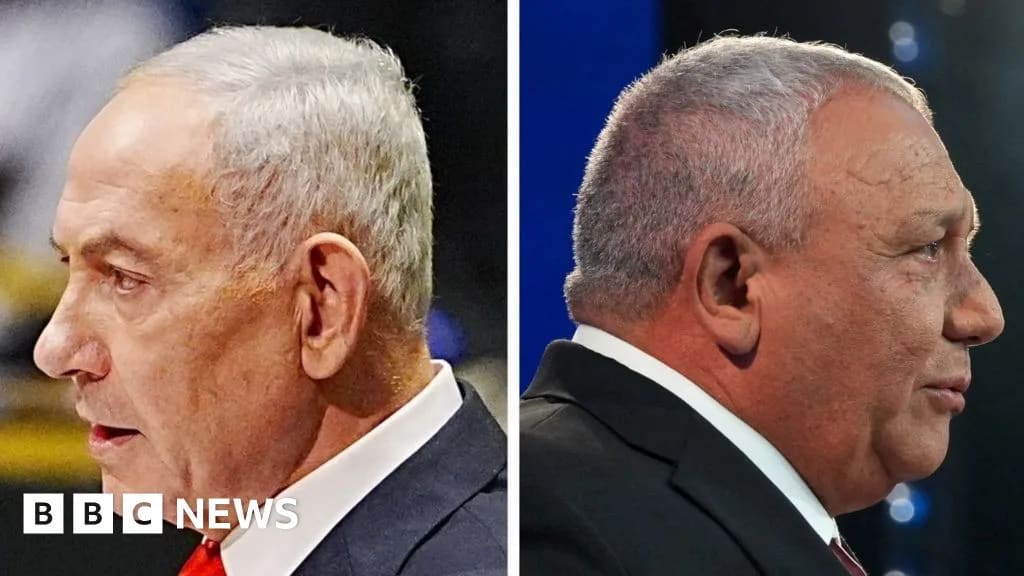
Understanding the Israeli Election Results and Political Deadlock
Recent israeli election results have plunged the nation into a severe political deadlock, exposing profound divisions across the country. As leaders weigh their next steps, the outcomes have generated substantial uncertainty surrounding future governance and coalition building.
The central question facing political figures is whether the opposition bloc is prepared to set aside campaign promises to partner with Arab parties in an effort to force Benjamin Netanyahu out of office. At the same time, questions remain over whether Arab factions are willing to risk entering a government coalition that could potentially collapse within months.
The Role of Arab Parties and Voter Turnout
Left-wing Democrat leader Yair Golan has publicly called on the opposition bloc to forge a partnership with Arab parties, stating that the public must reject what he described as a racist division between Jewish votes and Arab votes.
Meanwhile, high voter turnout among Arab Israeli citizens caught the attention of commentators. Amit Segal, a commentator sympathetic towards Benjamin Netanyahu, observed that the high participation rate served as a reminder to Jewish voters on both sides that they may ultimately need to learn to govern together despite years of division.
Challenges in Forming a Government
Rather than establishing a clear political path forward, the vote has intensified doubts regarding the common factors that bind such a varied population into a single polity. Critics of democracy, particularly growing autocratic governments, frequently point to fragile coalitions as a weakness that prevents effective governance.
Israel now faces the prospect of struggling for months to assemble a viable administration. President Herzog has addressed this risk directly as he prepares to initiate coalition negotiations, emphasizing that all necessary efforts must be made to avoid triggering another round of elections.
- Opposition leaders consider potential partnerships with Arab parties.
- President Herzog opens formal coalition negotiations.
- Concerns grow over the possibility of repeated elections.
Sources: BBC, Al Jazeera, NDTV.
Related stories

उमर अब्दुल्ला Marries Journalist Nidhi Razdan Amid Public Reactions
Jammu & Kashmir Chief Minister उमर अब्दुल्ला wed senior reporter Nidhi Razdan, sparking praise from actress Hina Khan and debate among religious leaders.
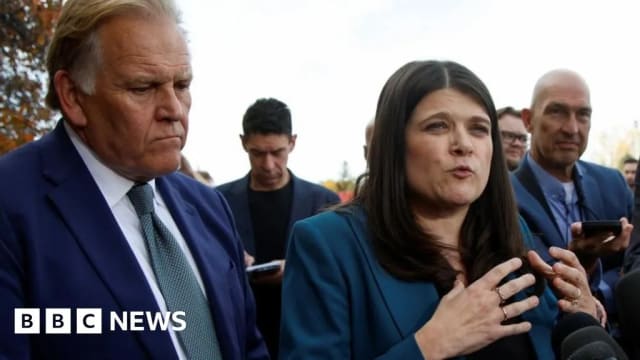
Michigan Democrat Haley Stevens Sparks Controversy Like Jason Turkish
Democratic Representative Haley Stevens stunned her party by endorsing Republican Mike Rogers in a tight Michigan Senate race after a public feud with Abdul El-Sayed.
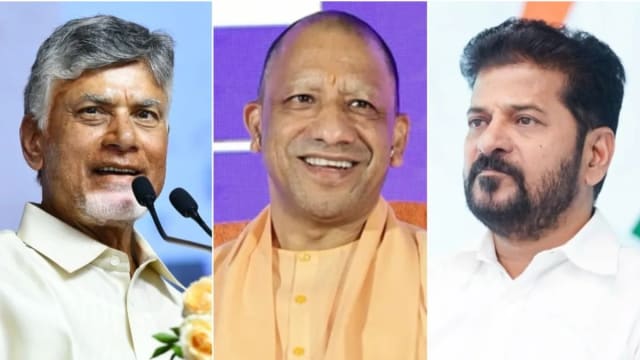
National Survey Places Andhra Pradesh Leadership Among Top Chief Ministers
A recent nationwide performance survey has placed the leadership of Andhra Pradesh in the top ten chief ministers list, highlighting administration and public approval metrics.
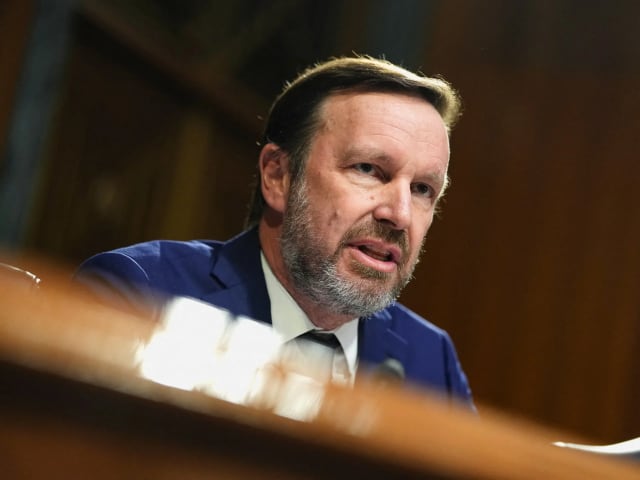
US Senator Chris Murphy Recovering in Hospital Following a Stroke
United States Senator Chris Murphy is currently awake, alert, and responding well to medical treatment after suffering a stroke.