

Jio Platforms IPO GMP Context: What Investors Should Know Before Bidding
Jio Platforms prepares for its upcoming stock market offering as market watchers evaluate details surrounding the fresh share issue and business model.
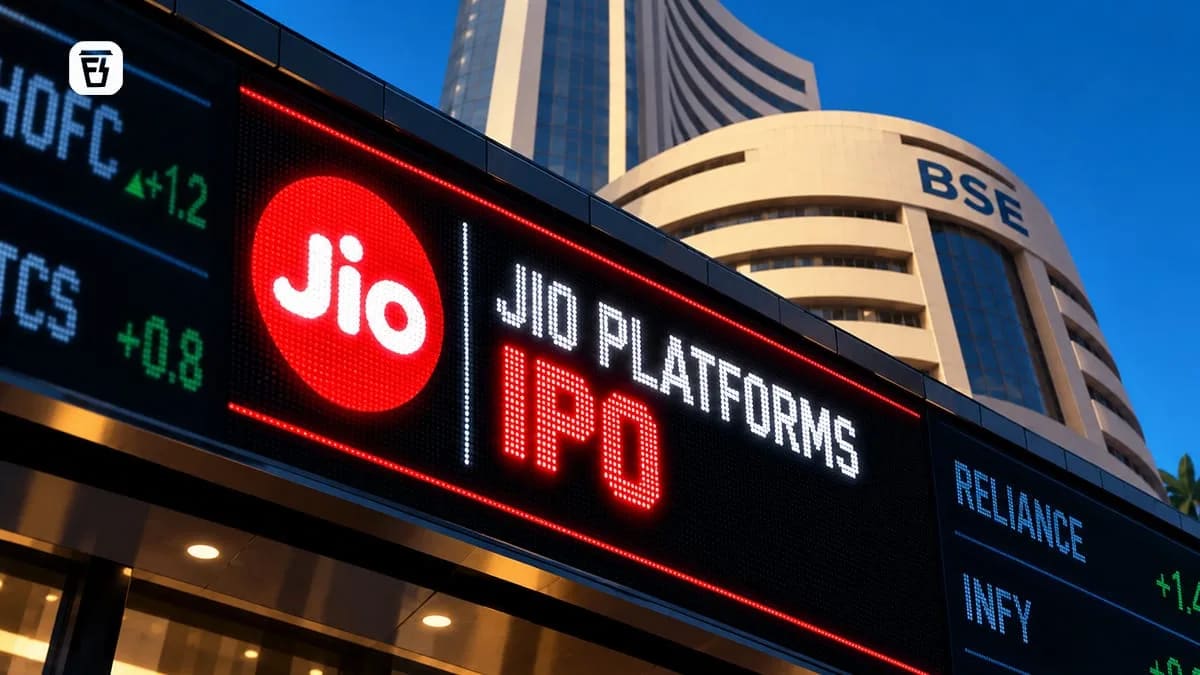
Understanding the Jio Platforms IPO GMP and Market Buzz
As market attention turns toward the upcoming public offering, analysts and investors are closely examining the fundamentals behind the jio platforms ipo gmp and the broader share sale. The connectivity and technology enterprise is moving forward with a completely fresh issue of shares valued at ₹30,200 crore, primarily intended to clear a portion of its existing debt.
The subscription window is scheduled to run from Wednesday, October 21st, through October 23rd, 2026. While market participants track gray market trends and enthusiasm, financial observers emphasize the importance of looking closely at underlying operational metrics and distribution structures.
Distribution Channels and Revenue Recognition
A critical element of the business model involves how prepaid recharges are handled. Rather than receiving consumer funds directly, Jio sells recharge vouchers in bulk to its sister concern, Reliance Retail. Reliance Retail provides upfront advances—which reached approximately ₹1.13 lakh crore in FY26—and Jio records this capital as an advance rather than immediate revenue, recognizing income over time as customers use their plans.
Because prepaid plans constitute roughly 77% of telecom revenue, this exclusive arrangement introduces considerations regarding long-term distributor dependence. Any alterations to the agreement or distribution network could necessitate alternative strategies across India.
Cash Flow and Network Capital Expenditure
Telecom operations require continuous investment in physical infrastructure such as towers, fiber, and spectrum. Evaluating financial health often involves reviewing earnings before interest, taxes, depreciation, and amortization minus capital expenditure (EBITDA minus capex).
Jio's annual network spending has steadily decreased from ₹53,510 crore in FY24 to ₹34,184 crore in FY26. Consequently, the operational metric of EBITDA minus capex reached ₹42,071 crore in FY26. However, net profit growth has not mirrored this cash flow expansion identically due to rising finance costs and depreciation expenses as newly built network assets transition into operational service.
Valuation and Market Comparison
When assessing valuation relative to competitors like Airtel, analysts look at enterprise value to EBITDA alongside traditional price-to-earnings ratios to account for heavy debt loads and substantial depreciation charges inherent in the telecommunications sector. Interested investors evaluating the jio platforms ipo gmp should weigh these operational factors alongside broader market conditions.
Sources: Finshots, Bloomberg.com, Telegraph India.
Frequently asked questions
When does the Jio Platforms IPO open for subscription?
What is the primary objective of the Jio Platforms IPO?
Who handles Jio's prepaid recharge distribution?
How does Jio's capital expenditure compare to its earnings?
Related stories

Ishani Krishna Celebrates 26th പിറന്നാള് With Family and Special Cake
Actress and influencer Ishani Krishna marked her 26th birthday surrounded by her family, featuring a self-baked cake and a midnight surprise.

Understanding Ssa Maximum Taxable Earnings 2027 and Benefit Taxes
Discussions surrounding ssa maximum taxable earnings 2027 highlight how frozen income thresholds pull more ordinary seniors into paying taxes on their Social Security benefits.
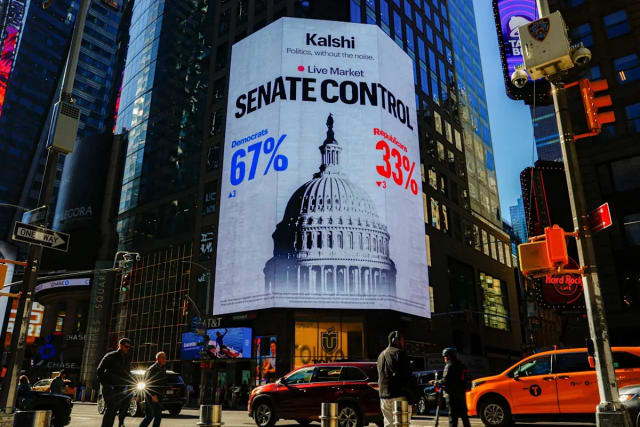
Kalshi and Prediction Markets Face Major US Midterms Testing
Prediction platforms like Kalshi face a crucial accuracy test during the US midterms as trading volumes soar past previous records.

Amd Stock Surges After Earnings Beat, Data‑center Revenue Nearly Doubles
Advanced Micro Devices posted a Q3 earnings beat, lifting amd stock by about 7‑8% as data‑center revenue nearly doubled year over year.