Evaluating the Seventh-Inning Turnaround
Los Angeles Dodgers left-hander blake snell put together a dominant performance through the first six innings of Wednesday's Game 3 in the National League Championship Series. Despite giving up a home run to the very first batter of the game on the opening pitch, Snell found a rhythm with his fastball and secondary pitches, ultimately racking up nine strikeouts and walking only one batter while keeping the Milwaukee Brewers off the board thereafter.
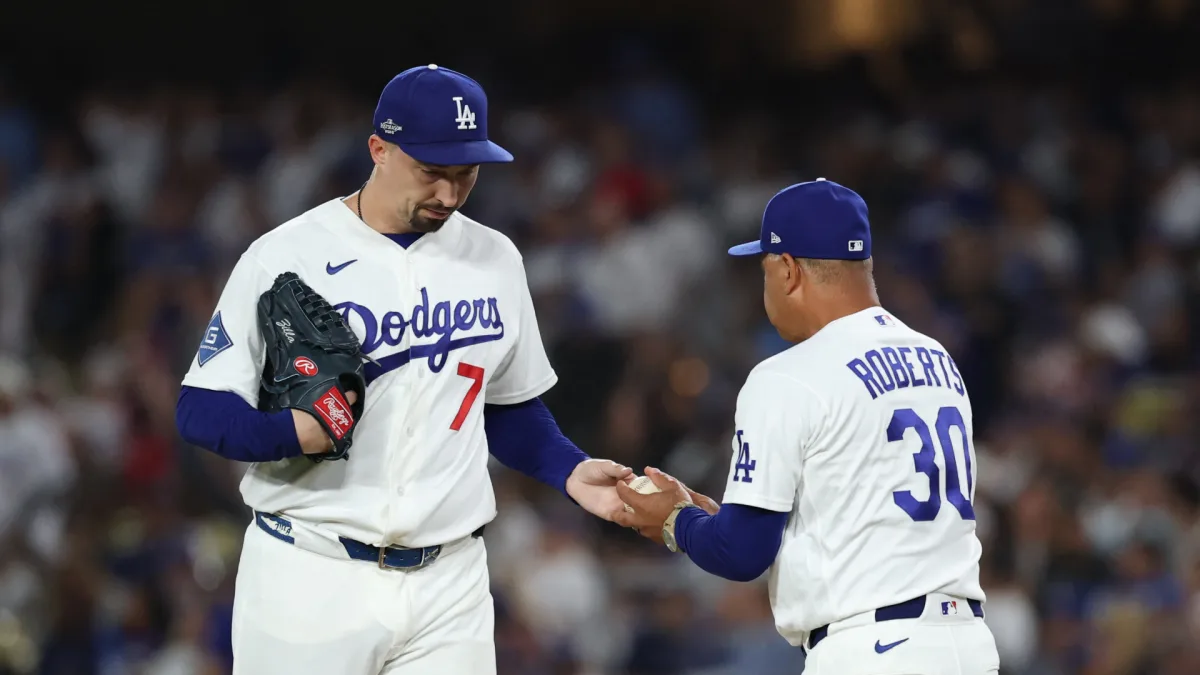
However, manager Dave Roberts chose to send Snell back out to the mound for the seventh inning. That strategic choice unraveled quickly as the Brewers flipped the script during a rough frame that propelled them to a 6-2 victory, pushing the Dodgers to the brink of elimination.
The Pivotal At-Bats and Decision-Making
Entering the seventh inning, Snell had already faced 21 batters, pushing him deep into the challenging third time through the opposing lineup. The inning started poorly when Snell walked Andrew Vaughn on a seven-pitch battle. Next came Jake Bauers, and Roberts opted to leave his starting pitcher in to face the lefty. Bauers ground out an 11-pitch marathon at-bat that culminated in a momentum-shifting home run.
Even after enduring a lengthy sequence with Bauers, Snell remained on the mound to face Garrett Mitchell. Mitchell capitalized on the situation with another back-to-back home run off the laboring pitcher, marking the first time in Snell's career that he surrendered consecutive home runs to left-handed hitters.
Managerial Defense and Season Context
Speaking after the game, Roberts defended his choice to stick with the veteran left-hander. The manager pointed out that Snell had retired roughly 13 or 14 straight batters through the sixth and appeared to still have sharp stuff. Roberts explained that the plan was to secure three more outs before turning to the bullpen option Evan Phillips for the fourth hitter due up.
Remarkably, Snell had not given up a single home run all season prior to this postseason matchup, though his year was heavily interrupted by elbow and shoulder complications. He also managed to avoid giving up any long balls during his NLDS start against the Atlanta Braves. Analysts noted that due to his pitching tendencies, some regression regarding home runs allowed was eventually expected, but the timing in Game 3 proved costly for Los Angeles.
Sources: CBS Sports, MLB.com, FanGraphs.