

NASA Team Restores Communication With Voyager 1 After Brief Signal Loss
NASA engineers successfully re-established contact with voyager 1 following a brief forty-eight-hour communication pause as the historic probe approaches a major distance milestone.
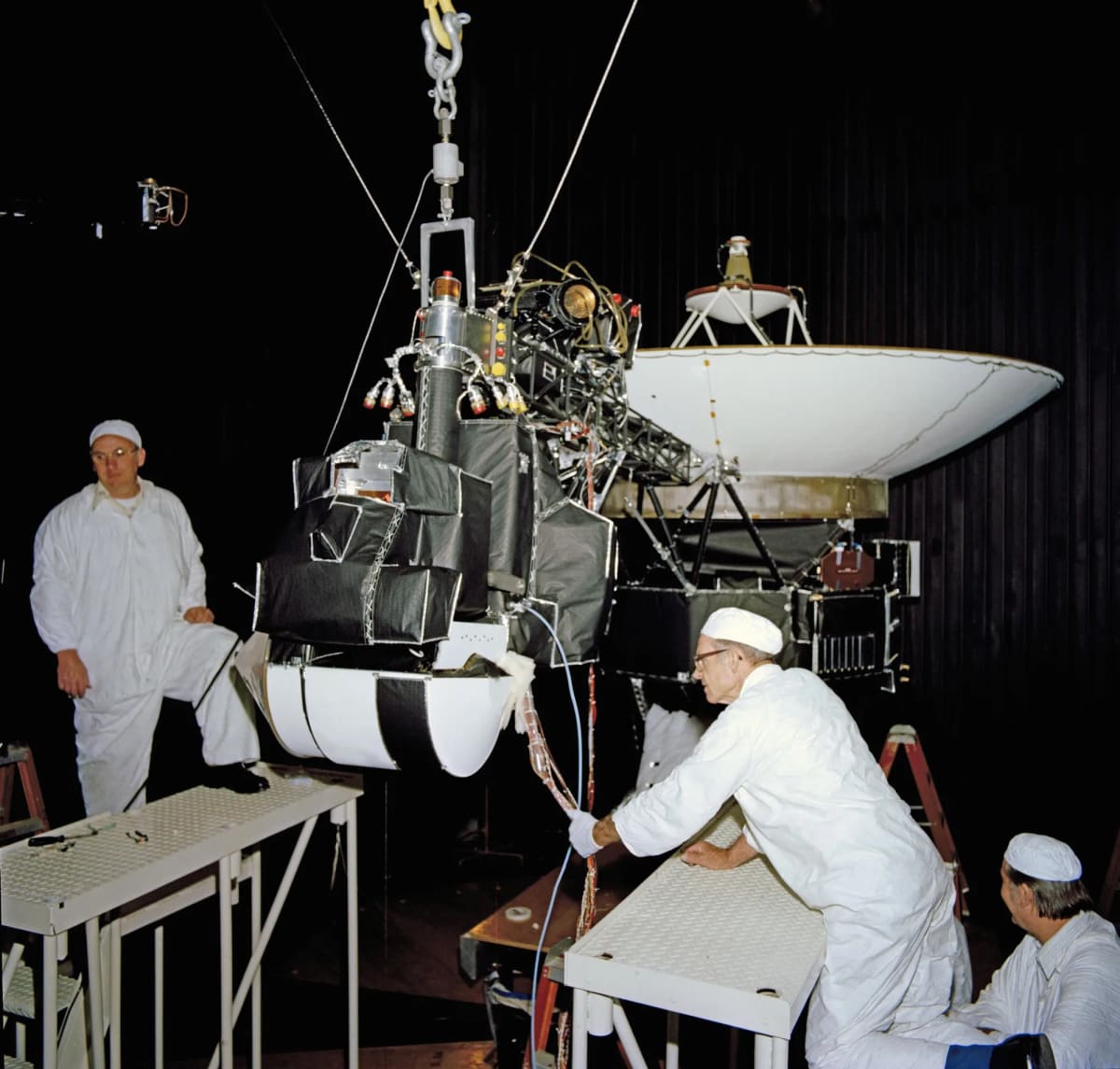
Managing Power Supplies in Interstellar Space
NASA engineers recently completed a successful months-long effort to stretch the dwindling power supply of voyager 1. Nicknamed the Big Bang, the operation involved shutting down three devices and replacing them with lower-power alternatives simultaneously.
Because the spacecraft relies on radioisotope thermoelectric generators fueled by decaying plutonium, both Voyager probes lose roughly 4 watts of power every year. This recent energy conservation ensures that the remaining science instruments can operate longer than previously anticipated, pushing back potential shutdowns.
Investigating a Brief Communication Pause
Shortly after completing these power adjustments, mission operators encountered an unexpected event when communication with voyager 1 was temporarily interrupted. During two scheduled communication checks separated by twenty-four hours, NASA's Deep Space Network was unable to detect a radio signal from the distant probe.
The signal reappeared after forty-eight hours, and normal contact has since been maintained. Engineers determined that an automatic fault protection routine triggered a switch when a group of thrusters went offline, placing the spacecraft into a stable configuration and pausing standard operations.
Approaching a Historic Distance Milestone
Operating at a distance of 16 billion miles from Earth, voyager 1 is traveling at a speed of 38,000 mph toward a notable milestone. The spacecraft will reach a distance of one light-day, meaning radio signals sent from Earth take twenty-four hours to arrive, and return messages require another twenty-four hours.
While the spacecraft itself will not register any environmental changes at this threshold, the milestone highlights the extraordinary endurance of humanity's most distant explorer as it continues its journey through interstellar space.
Sources: NASA Science (.gov), NDTV, The Economic Times.
Frequently asked questions
Why did Voyager 1 briefly lose contact with Earth?
How far is Voyager 1 from Earth?
How does Voyager 1 generate power?
What was the Big Bang power-saving effort?
Related stories

State Bank of India Reports Sbi Bank Quarterly Results With 14% Profit Jump
State Bank of India announced its latest financial figures, showing a 14% rise in standalone net profit alongside an expanding loan portfolio.

Indian Stock Market Rallies as BSE Sensex Climbs Over 1,200 Points
Indian equities extended their winning streak as the bse sensex surged over 1,200 points, lifted by softer oil prices and renewed investor confidence.

Ramayana Movie Release Date Set Along With Strong Overseas Bookings
The upcoming feature Ramayana approaches its theatrical debut with robust global ticket sales and a final promotional tour in London.

What Time Does Voting Open for the 2026 Midterm Elections Today
Voters across the country are seeking details on what time voting opens as the 2026 midterm elections arrive with numerous key races.