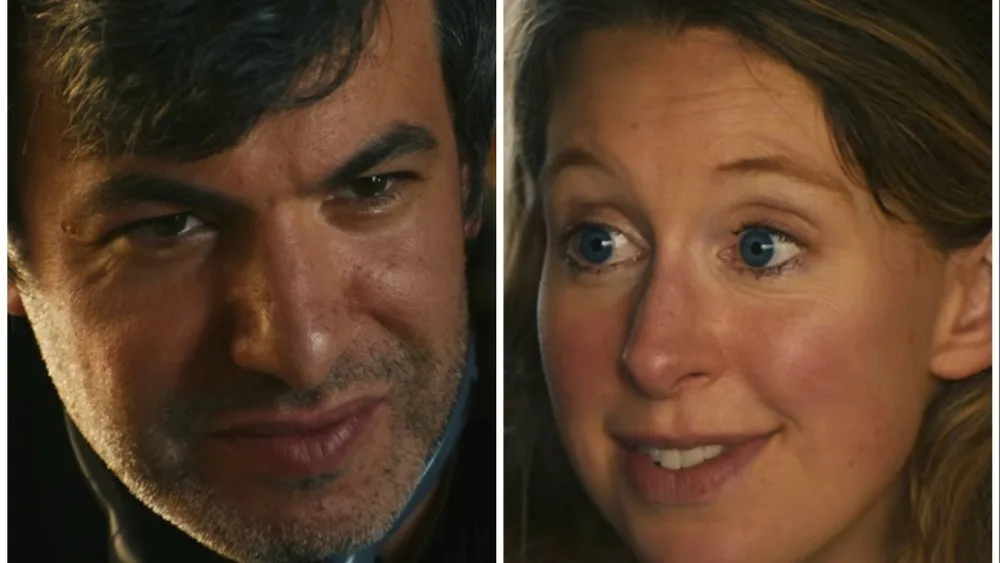
A new cinematic project titled You Can See Everything has generated widespread discussion following recent festival screenings and media reviews. The feature explores the complex psychology of Elizabeth Holmes and her husband Billy Evans through extensive access granted to the filmmakers.
Initial expectations surrounding the release leaned heavily toward an expected takedown of the subjects. However, reviewers have noted that the final product offers a much more ambiguous and layered perspective on the central figures involved.
The Nathan Fielder Documentary Approach
Directed by Nathan Fielder and co-director Lance Oppenheim, the project emerged after Holmes and her husband actively sought out Fielder to create the feature. Despite anticipation for a straightforward investigative exposé, the resulting runtime leaves viewers confronting several unresolved questions regarding behavior, sincerity, and human psychology.
Throughout the production, which included 34 days of living with the couple as well as years of subsequent filming following incarceration, the team attempted to capture genuine insight. Yet, according to accounts from festival Q&A sessions, the creators themselves noted ongoing difficulty in fully defining or interpreting the experiences they documented.
Exploring the Elizabeth Holmes Documentary Perspectives
Reviewers have pointed out specific moments in the film that challenge audience expectations, balancing moments of stark realism with lingering questions of empathy. While some observers view the subjects through a highly skeptical lens, others find the project questioning where the boundaries of manipulation and genuine damage truly lie.
- The project features extensive documentation spanning multiple years.
- Reviewers have highlighted contrasting tones between expected comedy and unexpected poignancy.
- Key late-stage discussions in the film involve prominent figures reacting to the immersive footage.
Unresolved Conclusions
Ultimately, the feature leaves the core puzzle of its subject's mindset entirely open-ended. Viewers are left to weigh competing possibilities regarding how an individual presents themselves to the public versus private reality, ensuring the release remains a deeply debated topic across cultural platforms.
Sources: Variety, The New York Times, WSJ.