Understanding the Pathogen Connection
A recent scientific report reveals that twelve percent of global cancer cases diagnosed in recent data can be attributed to specific pathogens. Researchers emphasize that while tumors often form due to accumulated DNA damage from environmental factors and genetics, an infection represents another significant and potentially preventable cause of malignancies.
Key Pathogens and Cancer Risk
The comprehensive analysis from the World Health Organization’s International Agency for Research on Cancer (IARC), published in the Lancet Oncology, links a dozen specific pathogens to new tumor development. Among these, certain human papillomaviruses (HPV) account for roughly four percent of recent diagnoses, driving the majority of cervical cancers along with several head and neck malignancies.
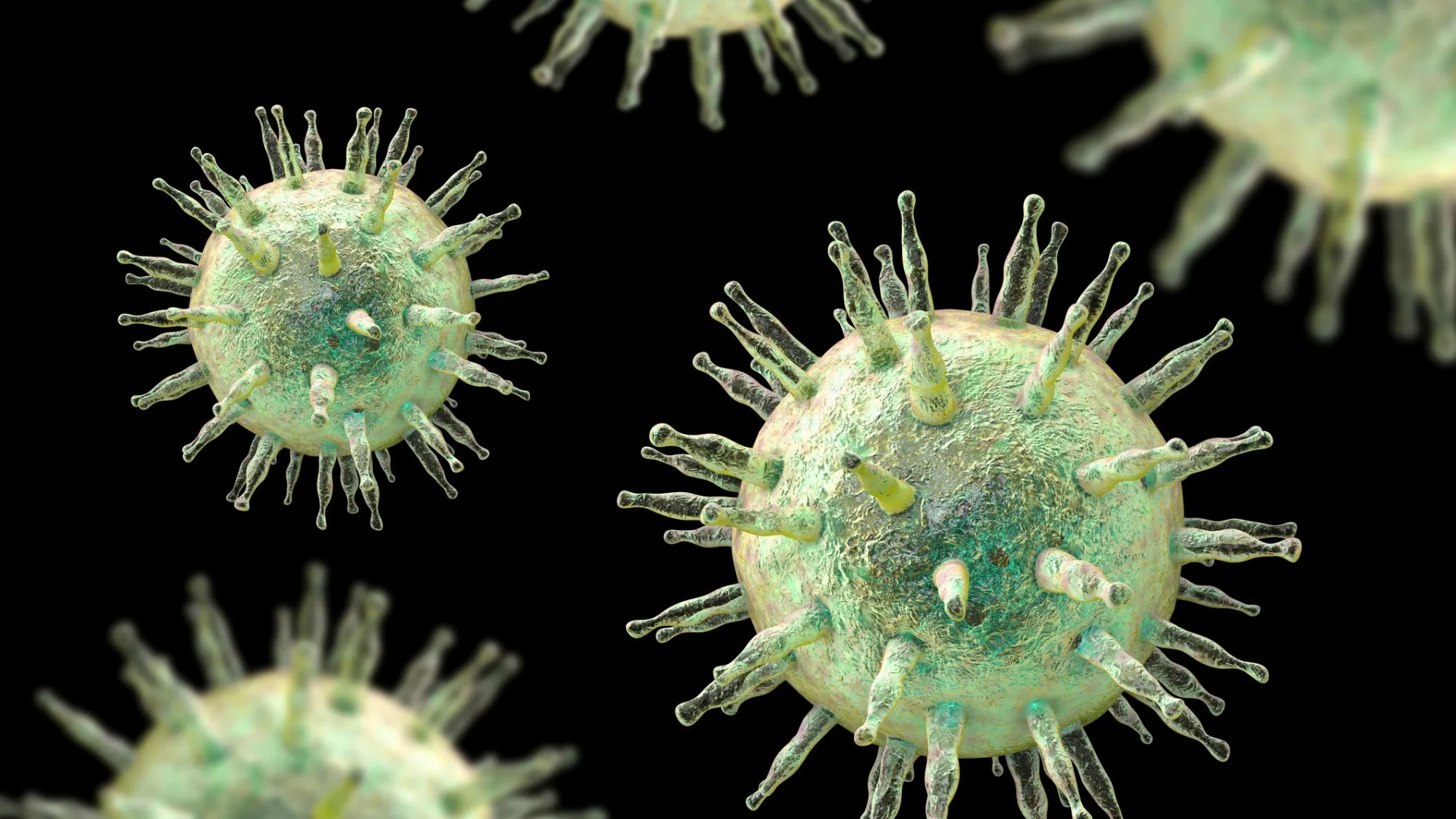
Cellular mechanisms explain why certain microbes trigger disease. For example, the Epstein-Barr virus (EBV) conceals itself inside B immune cells, forcing continuous cell growth while blocking normal cellular cleaning processes that would otherwise eliminate the virus and stop tumor formation.
Prevention and Medical Interventions
Uncovering these connections raises hopes that targeting a specific infection through medicine can prevent certain diseases. Medical treatments already exist for several implicated microbes. Antibiotics can successfully clear H. pylori to lower gastric cancer risks, while managing HIV also diminishes associated cancer dangers.
Vaccination serves as another critical defense tool. Experts note that the hepatitis B vaccine was historically the first developed specifically against cancer, and the HPV vaccine has been utilized for two decades to prevent cervical tumors. Epidemiologists anticipate observing widespread vaccination impacts as immunized populations reach older age brackets.
Future Research Needs
Despite medical advances, effective preventative tools remain absent for several common pathogens. Experts point out that a reliable vaccine for EBV does not yet exist, partly due to past difficulties in generating pharmaceutical interest for ubiquitous viruses. Furthermore, microbes like the Kaposi-sarcoma associated herpes virus require significantly more investigative focus to develop new preventative strategies.
Sources: Time Magazine, The Washington Post, Clarin.com.