

OpenAI Chief Argues Personal Computers Should Not Have Sam Altman Ram
OpenAI CEO Sam Altman has claimed that placing memory in individual personal computers rather than data centers is terrible, sparking widespread public backlash.

OpenAI Boss Sparks Outrage Over Memory Allocation
OpenAI Chief Executive Officer Sam Altman recently argued that keeping vital memory components inside personal devices is an inefficient use of scarce resources. During a recent podcast appearance discussing global tech supply challenges, the executive stated that having sam altman ram sitting in individual computers rather than powering large-scale cloud infrastructure is a terrible allocation strategy.
The remarks immediately drew intense scrutiny from everyday consumers and PC enthusiasts. Amid a widespread global shortage driven by intense artificial intelligence demands, the public has already faced rising hardware expenses and economic pressures.
The Debate Over Cloud Infrastructure Versus Local Hardware
According to the OpenAI leader, personal devices rarely maximize the full potential of their installed memory modules. In contrast, cloud-based data centers operating large AI engines desperately require maximum capacity in order to function smoothly under heavy resource constraints.
However, many observers and everyday computer users feel that this perspective ignores the practical needs of people who rely on local hardware. Online forums quickly filled with frustrated commentary, with users criticizing tech leadership for seeming disconnected from the financial realities of regular citizens.
Consumer Backlash and Industry Outlook
The controversy highlights a growing friction between massive artificial intelligence operations and everyday technology users. Critics noted that while data centers scale up to train models using vast amounts of information, everyday consumers continue to bear the brunt of escalating component costs and environmental impacts.
Industry analysts project that shortages will likely persist for several years. Consequently, anyone planning to purchase consumer gadgets or build a custom PC should expect to pay premium prices for components for the foreseeable future.
Sources: Yahoo Tech, Tom's Hardware, PCMag.
Related stories
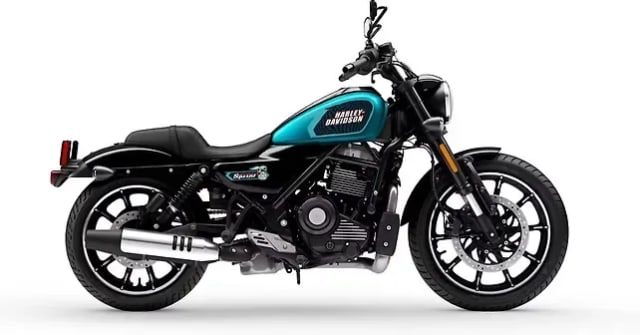
Harley-Davidson Unveils New Small-Capacity Cruiser Called the Sprint 440
Harley-Davidson has officially revealed its latest small-capacity cruiser model, featuring a 440cc single-cylinder engine and traditional styling cues.

Nintendo Details Development Team and Release Plans for Zelda Remake
Nintendo has revealed the development team and background details behind the upcoming release of the classic title in the zelda series.

Pltr Stock Rises as Palantir Q3 Earnings Beat Forecasts, Revenue Leads
Palantir posted Q3 earnings above estimates, with U.S. commercial revenue overtaking government for the first time, sending pltr stock down modestly in after‑hours trading.

Vivo Y32 5G Debuts With Massive 8,000mAh Battery and Snapdragon 4 Gen 2
The newly announced Vivo Y32 5G has officially launched in Nepal, bringing a rugged design, a 120Hz display, and heavy-duty endurance features to the budget segment.