

Origins and Traditions of Halloween and Noche De Brujas Celebrations
Explore the historical origins, ancient Celtic roots, and modern traditions surrounding the annual celebration of Halloween and noche de brujas.
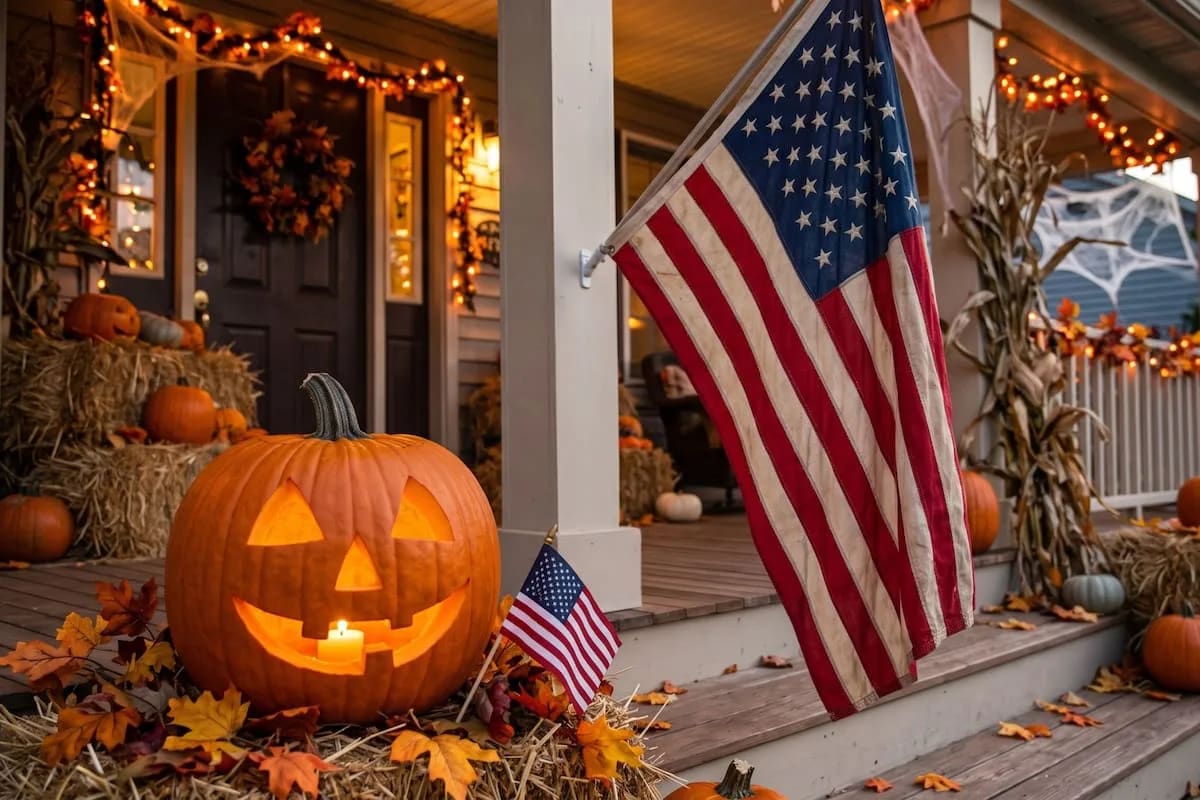
Each year on October 31st, people observe a popular holiday that blends ancient Celtic beliefs, Christian traditions, and community customs. Known widely in Spanish as noche de brujas, this festive period features costumes, carved pumpkins, and neighborhood walks by children.
Historical records show that the celebration traces its roots back to Samhain, an old Celtic festival marking the end of summer and the harvest season. During this seasonal transition, ancient peoples believed the barrier between the living and dead worlds grew thin, prompting them to leave food offerings and wear disguises to remain unnoticed by spirits.
Historical Roots and Cultural Evolution
As Christianity expanded throughout Europe, religious celebrations like All Saints' Day on November 1st merged with these older seasonal customs. Immigration waves from Ireland and other regions during the mid-19th century brought these practices into American society, where the event eventually grew into a popular secular and commercial activity.
Practices similar to modern customs existed centuries ago in Ireland and Scotland, where a tradition called guising involved children dressing up and visiting local homes for small gifts. Over time, the event evolved to incorporate activities suitable for both children and adults.
The Tradition of Trick or Treat
The phrase trick or treat represents a custom where young participants request sweets from neighbors. Historically, the occasion also involved minor pranks against individuals who refused to offer items, occasionally prompting newspapers to publish warnings regarding property damage.
The specific expression emerged in the 1920s, while the practice itself expanded significantly following the Second World War. Factors such as the end of sugar rationing, suburban growth, and individually wrapped candies helped establish the modern tradition.
Symbols and Statistics
Traditional decorations and symbols include carved pumpkins known as jack-o'-lanterns, witches, and black cats, which connect back to early folklore and superstitions. Current demographic data from the U.S. Census Bureau estimated that the country had 72 million individuals under 18 years of age as of July 2025, representing a large segment of potential participants.
Read more about related holiday schedules in Experts Detail What Time Is Trick or Treating for Halloween 2026 and When Is the Next Time Halloween Will Be on a Saturday and DST Details.
Sources: La Nación, saeeg.org, La República EC, El Debate.
Frequently asked questions
When is Halloween celebrated?
What are the historical origins of the holiday?
What does trick or treat mean?
How many children lived in the United States in 2025?
Related stories
Choti Diwali 2026: Date, Yama Lamp Timing and Ritual Details
Choti Diwali 2026 falls on 7 November; experts advise lighting the Yama lamp that evening between 5:37 pm and 8:10 pm. Families can perform the ceremony at the main doorway…
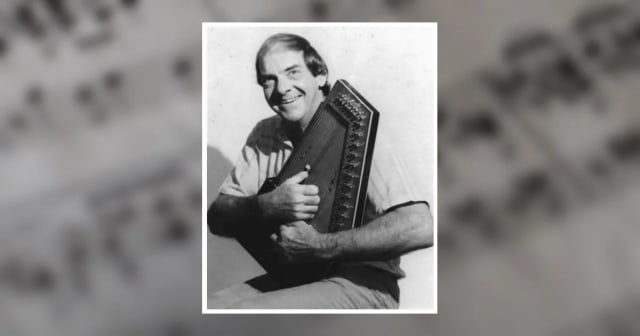
Country and Bluegrass Pioneer Bill Clifton Passes Away at Age 95
Renowned country and bluegrass figure William August Marburg, known professionally as Bill Clifton, has passed away in his sleep at the age of 95.

Russian Diésel Shipments Face Uncertainty Amid Legal Warnings
Two tankers carrying Russian diésel changed course in the Atlantic after U.S. officials warned that handling the fuel could lead to legal penalties.

Grizzly Bear Attack Claims Mother and Daughter in Bella Coola, Canada
A mother and her 20‑year‑old daughter were found dead in Bella Coola, British Columbia, after a suspected grizzly bear attack that may have involved more than one animal.