

Russian Diésel Shipments Face Uncertainty Amid Legal Warnings
Two tankers carrying Russian diésel changed course in the Atlantic after U.S. officials warned that handling the fuel could lead to legal penalties.
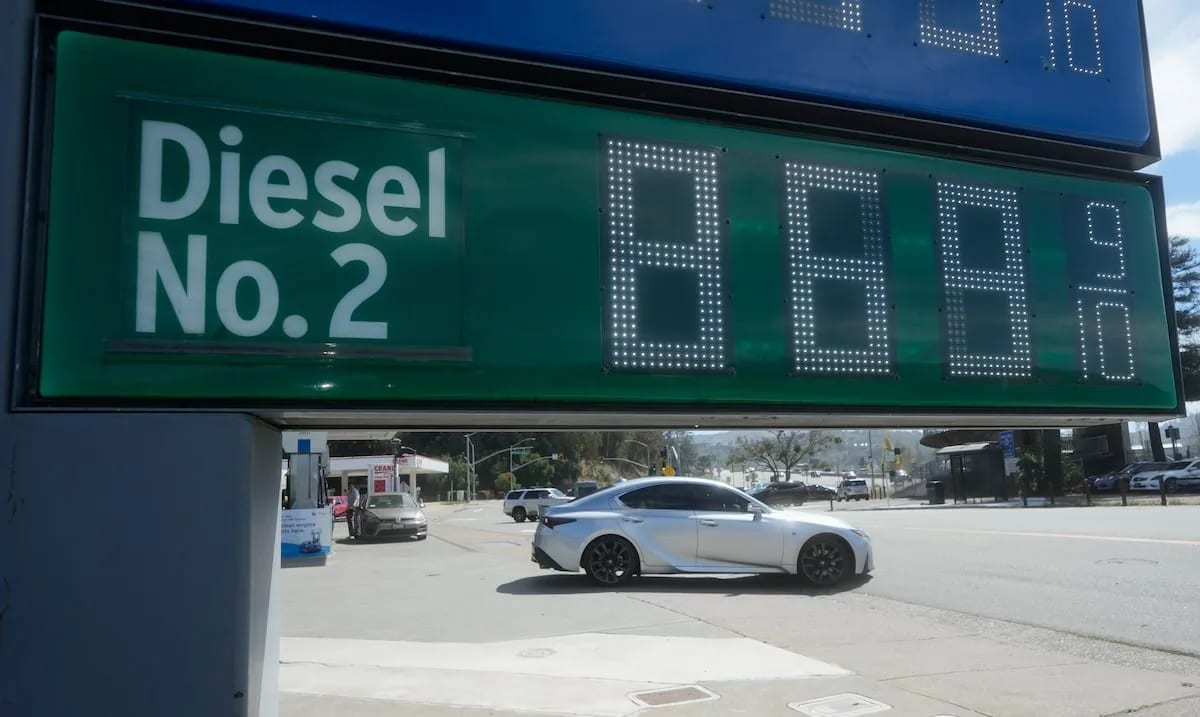
Uncertainty Surrounds Russian Diésel Deliveries
Two oil tankers loaded with Russian diésel have altered their paths in the middle of the Atlantic Ocean following warnings from federal and state authorities regarding potential legal liabilities. The unexpected route changes have raised significant questions about whether the fuel shipments will ultimately reach the United States.
Background of the Energy Agreement
The situation stems from a reported arrangement announced last month between President Donald Trump and Russian President Vladimir Putin to supply over 300,000 tons of diésel to domestic and global markets. Washington had previously prohibited Russian energy imports following the 2022 invasion of Ukraine, making the proposed pact a point of contention among foreign allies and lawmakers.
To date, the agreement has not resulted in a confirmed delivery within the United States. Analysts previously noted that these imports were unlikely to substantially lower domestic diésel prices, which have climbed to historic highs during ongoing conflicts.
Route Changes and Regulatory Warnings
According to marine traffic data, two sanctioned tankers that departed from the Baltic Sea port of Primorsk changed their destinations. One vessel redirected toward Brazil, while the second headed for the Mediterranean Sea. A third tanker in the North Atlantic changed its destination from New York to open orders, leaving its final unloading point unconfirmed.
Legal pushback has intensified at the state level. New Jersey Governor Mikie Sherrill advised local port and terminal operators to reject vessels carrying the fuel, stating that handling prohibited Russian cargo would trigger severe penalties. Meanwhile, a bipartisan group of senators urged the administration to cancel the arrangement entirely, cautioning that facilitating the imports exposes financial institutions and fuel distributors to civil and criminal liability.
Government Response and Market Outlook
The Department of the Treasury defended its temporary sanctions exemption allowing certain diésel transactions until April 7, stating it complies with applicable laws. An anonymous administration official maintained that the shipments could help alleviate domestic price pressures, although it remains unconfirmed if the fuel will directly enter the U.S. market.
Sources: El Nuevo Día, El Economista, Yahoo.
Related stories

Stock Market Schedule: Timing and Details for Diwali Muhurat Trading
Dalal Street is preparing for a special Sunday trading session to mark the Hindu financial year. Discover the schedule and key timings.

Tanishq and Malabar Gold Rates Update for Dhanteras Market Purchases
Households across India check latest 22K and 24K prices as Tanishq and Malabar Gold announce rates for Dhanteras purchases.
HDFC Bank Share Rally Crosses Milestone With Strong Market Gains
HDFC Bank shares extended a four-session winning streak to push the lender's market capitalization past ₹12 lakh crore. Discover the latest updates on market performance and…

Joyalukkas Group Allocates Rs 100 Crore For Charitable Initiatives
Joyalukkas Group has announced a Rs 100 crore allocation to expand its charitable programs across India, focusing on housing, healthcare, and education.