

Pentagon Plea Deal Appeals Denied as Supreme Court Refuses Review
The Supreme Court rejected petitions to overturn Defense Secretary Lloyd Austin’s cancellation of plea deals for three 9/11 conspirators, keeping the agreements null and returning the cases to military courts.
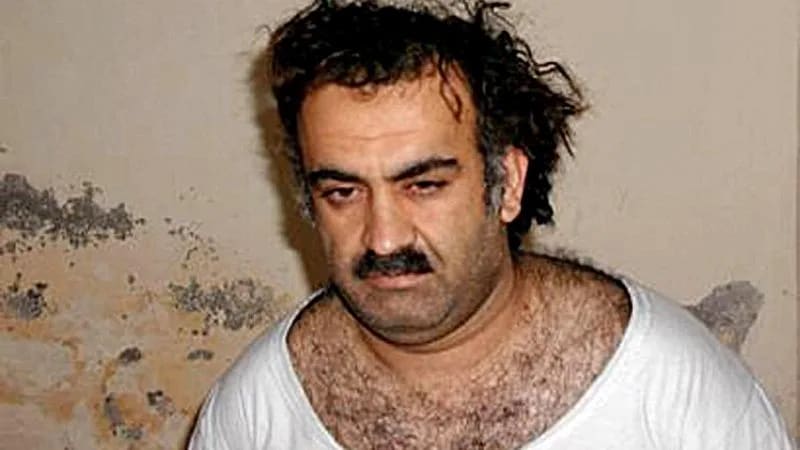
pentagon plea deal appeals denied by Supreme Court
The U.S. Supreme Court on Monday refused to hear appeals challenging former Defense Secretary Lloyd Austin’s decision to nullify plea agreements with three men accused of orchestrating the September 11 attacks. By denying certiorari, the Court left the lower‑court ruling that Austin possessed undisputed authority to cancel the deals untouched.
Supreme Court backs Pentagon decision to throw out plea deals for 9/11 alleged conspirators
The cancelled agreements had removed the death penalty as a possible outcome for Khalid Sheikh Mohammed, Mustafa al Hawsawi and Walid Bin ‘Attash. Their removal sparked criticism from some victim‑advocacy groups, but the Pentagon maintained that the decision rested solely with the Secretary of Defense.
Supreme Court turns away appeal from alleged 9/11 mastermind Khalid Sheikh Mohammed
Mohammed and the other defendants argued that the D.C. Circuit overstepped its jurisdiction by siding with the government. Their brief sought a review of the appellate court’s finding that Austin’s authority was “indisputable.” The Supreme Court’s refusal means the pre‑trial process will continue without a new trial date on the horizon.
US Supreme Court snubs bid to revive plea deal for accused 9/11 mastermind
Legal analysts note that even the projected summer 2028 trial remains unlikely, given lingering questions about evidence obtained under CIA interrogation techniques. A military judge had earlier deemed the plea deals “valid and enforceable,” but a subsequent military appeals court reversed that assessment, aligning with Austin’s position.
Justice Brett Kavanaugh recused himself from the case, and the Trump administration has continued to defend Austin’s cancellation. The ongoing pre‑trial proceedings are expected to face further delays as courts grapple with the complex legal issues surrounding torture‑derived evidence.
Steve Vladeck, a Georgetown law professor who filed a friend‑of‑the‑court brief, warned that the denials clear the path for the “inexorable” continuation of pre‑trial steps, emphasizing the unrealistic nature of any near‑term trial schedule.
While the Supreme Court’s action does not resolve the underlying disputes, it underscores the challenges of prosecuting high‑profile terrorism cases within the military justice system.
Frequently asked questions
What did the Supreme Court decide regarding the Pentagon plea deals?
Who were the defendants affected by the cancelled plea agreements?
Why did the appeals courts reject the challenge to the cancellations?
What are the next steps for the cases now?
Related stories

Us Midterm Elections Results: Search Surge Amid No Official Data
Searches for us midterm elections results have topped 50,000 in the last 20 hours, but no official results have been released, leaving the outcome unclear.
James Talarico Leads in Texas Senate Race Against Ken Paxton
Democrat james talarico holds a polling edge over Republican ken paxton in the closely watched Texas Senate contest, the marquee race of the 2026 midterms.
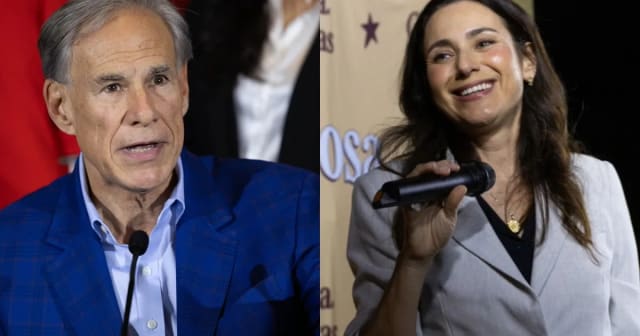
Gina Hinojosa Faces Greg Abbott in Historic Texas Governor Race
Texas voters will decide Tuesday whether Republican Greg Abbott wins a fourth term or Democrat Gina Hinojosa becomes the state’s first Latina governor, a contest that hinges on…
Ohio Election Results: Midterm Count Still Pending Nationwide
Ohio election results remain unavailable as vote tallies are still being compiled, with the broader 2026 midterm contests shaping national expectations.