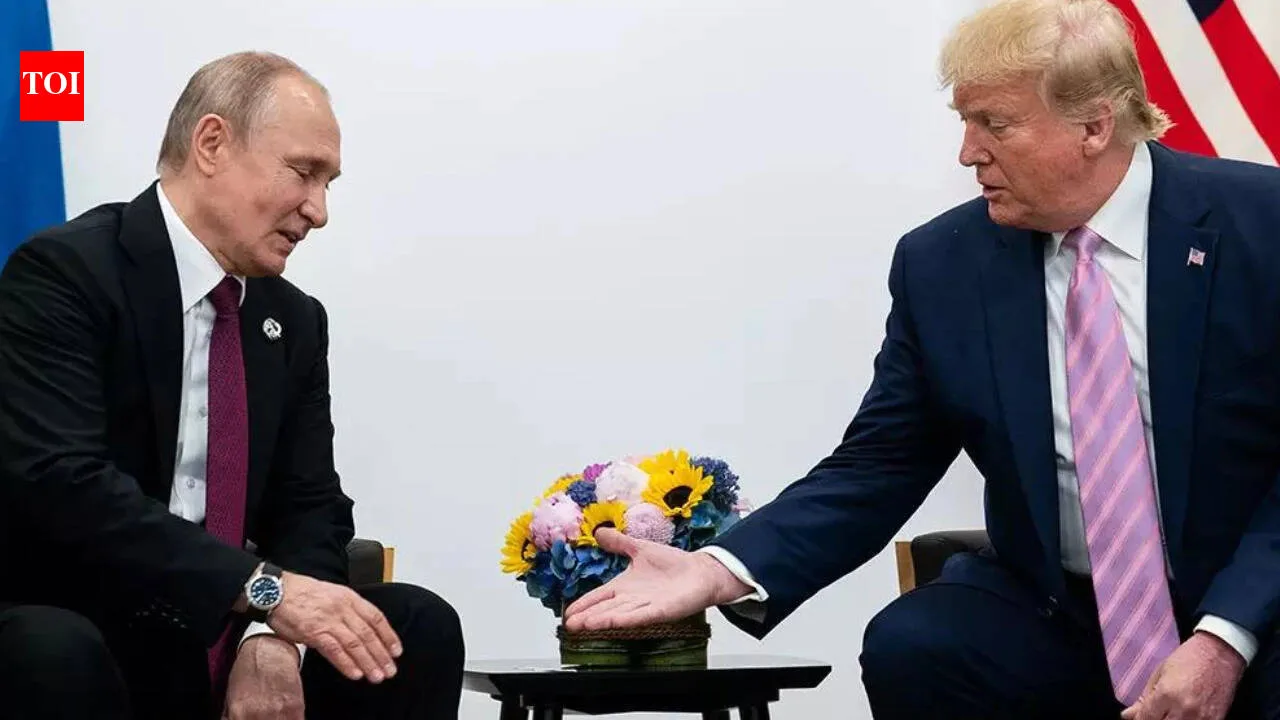
President Trump Reverses Course on Sanctions
Faced with soaring domestic fuel prices and predicted challenges in upcoming mid-term elections, U.S. President Donald Trump has altered his approach regarding punitive measures. By issuing an executive order on Friday evening, trump waives russia sanctions that were previously legislated under the Graham Act, citing the national interests of the United States.
The presidential U-turn places a hold on several severe economic measures that were scheduled to take effect. The deadline for implementation was originally set to expire on Sunday, exactly one month after the bill's passage.
Details of the Waived Provisions
The executive order uses presidential authority to bypass several aggressive penalties targeting Moscow and its trade partners. Among the paused measures are:
- 500% tariffs on Russian goods.
- 100% tariffs directed at the five largest buyers of Russian oil and gas.
- 100% tariffs on top facilitators of Russian sanctions evasion.
This action follows a separate, unexpected announcement regarding a deal with Vladimir Putin to purchase Russian diesel fuel, occurring while the administration concurrently navigates the ongoing conflict stemming from Russia's invasion of Ukraine.
Impact on India and Energy Markets
For New Delhi, the executive order provides an immediate reprieve. Previously, lawmakers and administration figures had warned of steep tariffs that could have impacted the country's economy and its entry into the American market. With the suspension, India's Russian crude imports are expected to stay near current levels.
New Delhi has consistently maintained that its energy acquisitions are dictated by market conditions, affordability, and supply security rather than Western political preferences. The Biden administration had also previously permitted these purchases under a price cap mechanism to help stabilize global energy supplies.
Future Outlook and Leverage
While the immediate threat has subsided, legal experts note that the executive order preserves administration flexibility. The text leaves room for officials to reverse course if conditions change, though critics and supporters alike debate whether shelving legislated threats diminishes their long-term coercive power.
Sources: The Times of India, The Hindu, Telegraph India.