

Understanding the Date and Traditions of Happy Choti Diwali 2026
Discover the schedules, regional names, and traditional practices surrounding happy choti diwali celebrations for 2026.
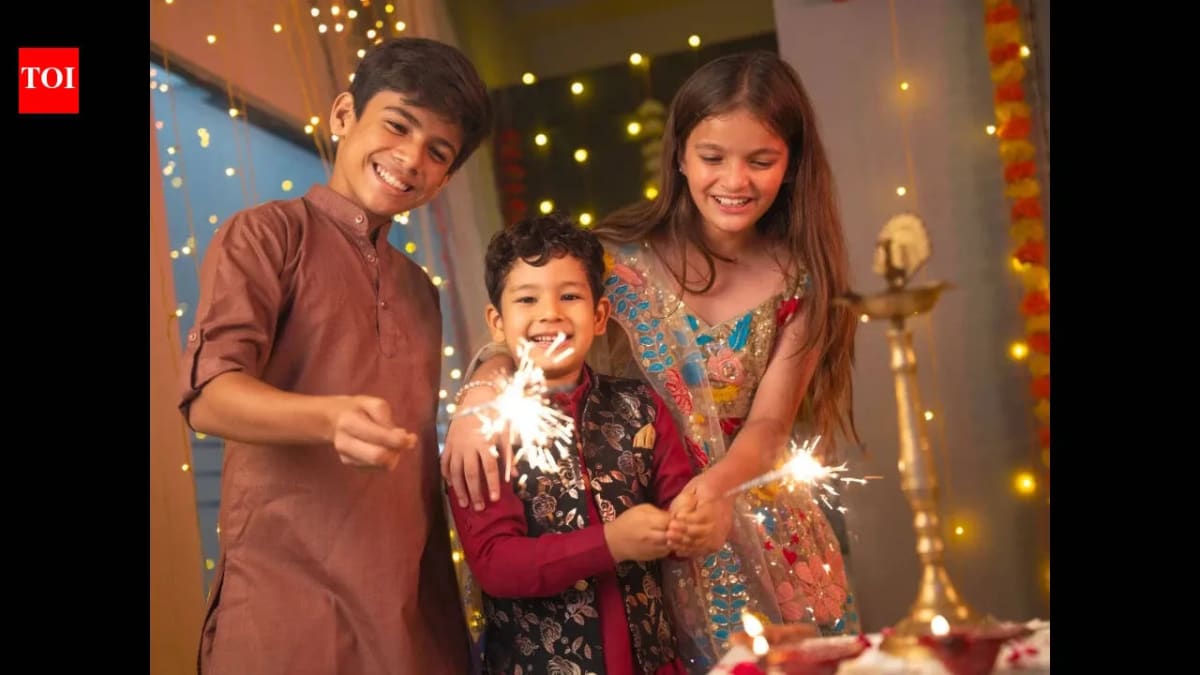
Timing and Date Details for 2026
As preparations begin for the festive season, individuals seeking information on choti diwali 2026: Date, Yama Lamp Timing and Ritual Details will find that the occasion falls on Sunday, November 8. Due to lunar calendar alignments, some areas may observe Choti Diwali and the primary Diwali festival on the exact same date. According to the Hindu Panchang, Chaturdashi Tithi commences at 10:47 am on November 7 and concludes at 11:27 am on November 8. Consequently, the customary Abhyanga Snan occurs on the morning of November 8, though local Panchang calendars should be consulted for precise regional time slots.
Regional Names and Customs
The celebration goes by various titles depending on geographic location across India. In northern regions, it is commonly called Choti Diwali, while other states refer to it as Naraka Chaturdashi. Western parts of India often use the name Roop Chaudas, and in Gujarat, it is known as Kali Chaudas. In Maharashtra, residents wake up early for the Abhyanga Snan ritual, whereas in southern India, Naraka Chaturdashi frequently serves as the primary day of celebration.
Mythological Roots and Significance
The historical roots of the occasion stem from ancient lore centered around the demon king Narakasura. When his actions became oppressive, Lord Krishna, assisted by Satyabhama, defeated Narakasura to free those who suffered under his rule. This narrative emphasizes that goodness and bravery ultimately prevail over darkness, inspiring the lighting of lamps, sharing of sweets, and family gatherings.
Celebratory Practices and Rituals
Traditions vary by region, but the core objective remains focused on renewal and welcoming positivity. The morning typically starts with Abhyanga Snan, where individuals apply herbal ubtan before sunrise. Following this purification process and dressing in new clothes, families arrange tiny flame-lit diyas around entrances, windows, and courtyards. Additionally, some regions feature distinct local customs, such as Goa where giant effigies of Narakasura are set ablaze in the early hours to symbolize the downfall of evil.
Sources: The Times of India, NDTV, The Economic Times.
Frequently asked questions
When is Choti Diwali 2026?
What are some alternative names for Choti Diwali across India?
What is Abhyanga Snan?
What is the mythological background of the festival?
Related stories

HDFC Bank Alters Fixed Deposit Rates Before Diwali Offering 7.20 Percent
HDFC Bank has revised its fixed deposit rates ahead of the festive season, offering senior citizens an interest rate of 7.20 percent. General depositors can also check the updated…
गेहूँ की कीमतों में उछال, दिल्ली के बाजार में पहुंचा नया स्तर
दिल्ली के बाजारों में गेहूँ की कीमतें इस सीजन के उच्चतम स्तर पर पहुंच गई हैं। सरकार द्वारा ओएमएसएस के तहत दूसरी बिक्री निविदा जारी किए जाने के बावजूद दाम लगातार बढ़ रहे हैं।
Choti Diwali 2026: Date, Yama Lamp Timing and Ritual Details
Choti Diwali 2026 falls on 7 November; experts advise lighting the Yama lamp that evening between 5:37 pm and 8:10 pm. Families can perform the ceremony at the main doorway…
Wellington Weather Disrupts Training Ahead of Second ODI Match
Wellington weather conditions forced teams indoors as steady drizzle disrupted training sessions ahead of the upcoming second ODI match.