

Unusual Early Polar Vortex Disruption Stirs Weather Concerns
Forecasters report that the polar vortex is weakening unusually early, raising questions about potential winter cold blasts across North America.
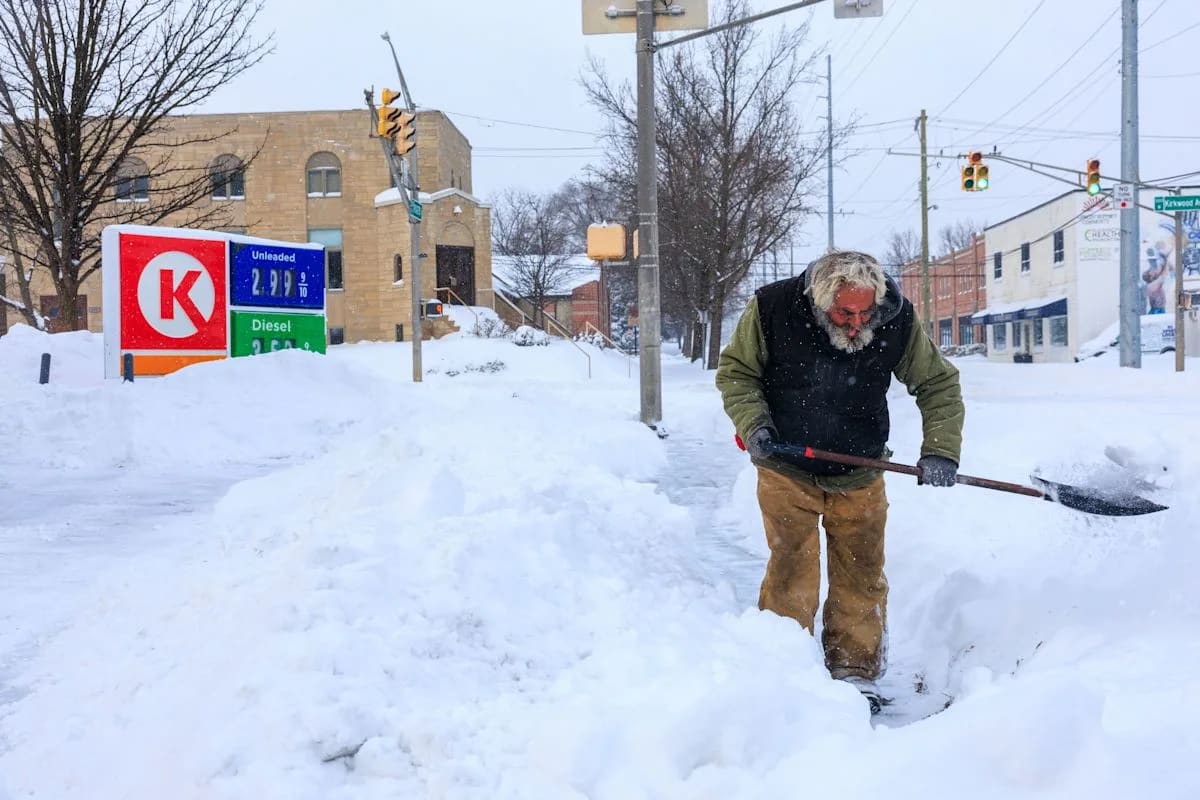
Understanding the Early Polar Vortex Shift
Forecasters report that the polar vortex is weakening at an unusually early stage, raising questions about potential weather shifts across North America. This stratospheric band of powerful winds normally circles the North Pole and locks the most severe winter chill high above the Arctic until later in the season.
The National Oceanic and Atmospheric Administration's Climate Prediction Center indicated that a disruption could develop within days. If this rare November event evolves into a sudden stratospheric warming, its atmospheric footprint could persist for up to two months.
Potential Weather Impacts and Competing Factors
When the vortex slows down or undergoes major disruptions from warm air swells rising from below, pockets of Arctic air can break away and travel southward. However, experts emphasize that it remains unconfirmed whether this particular event will successfully trigger widespread cold outbreaks.
Furthermore, weather outcomes in the eastern United States could be moderated by El Niño. Because the climate phenomenon is warming the Pacific Ocean and steering the seasonal outlook toward milder conditions for parts of the country, it may compete directly with any southward-moving polar air.
Preparation and Historical Context
Historical data shows that major warmings usually happen much deeper in winter. An early breakdown occurring around November would rank among the earliest disruptions ever recorded, contrasting sharply with past winter occurrences like January deep freezes that brought extreme low temperatures to parts of the U.S. and Canada.
Meteorological agencies advise that while there is no reason for alarm, residents should remain prepared for sudden temperature drops. Checking local forecasts and reviewing emergency home and car kits at the start of the winter season is recommended to handle any hazardous conditions safely.
Sources: Yahoo, Times Union, Scientific American.
Frequently asked questions
What is the polar vortex?
Why is the current weakening unusual?
Could this bring cold air to North America?
How does El Niño affect the polar vortex?
Related stories

U.S. Intelligence Flags Alleged Chinese Spy Connection for Jensen Huang
American intelligence agencies created a memo indicating that Nvidia CEO Jensen Huang had a romantic connection with an executive believed to be a Chinese spy.
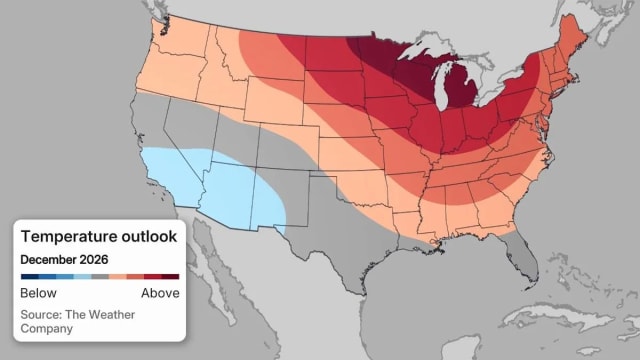
Climate Prediction Center Heavy Snow Map Shows States Facing Snow
The Climate Prediction Center’s new heavy‑snow map pinpoints a narrow Southwest band where colder‑than‑average temperatures raise the chance of significant snowfall, while most of…
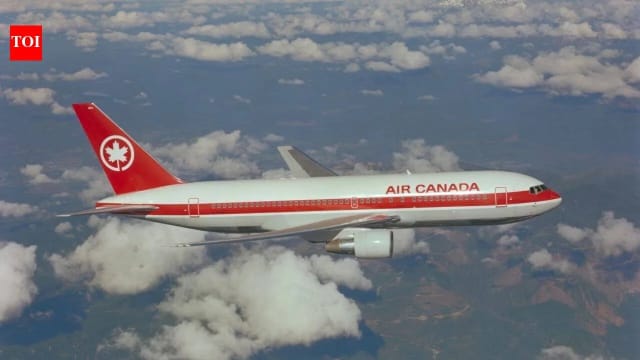
Gimli Glider Incident: Air Canada 767 Lands Safely After Fuel Miscalculation
Air Canada’s 1983 Boeing 767 ran out of fuel at 41,000 ft and glided for 17 minutes before an emergency landing on the Gimli motorsport track, with all aboard surviving.
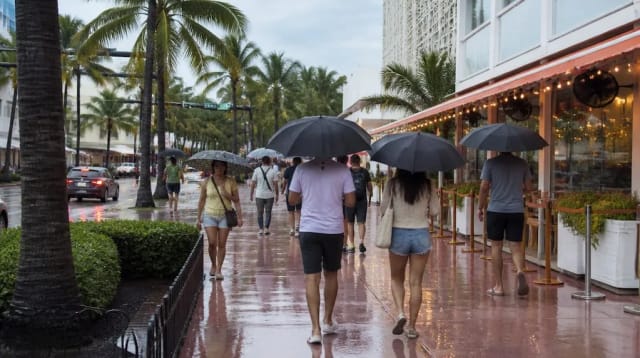
Clima En Miami 6 De Noviembre: Lluvias Ligeras Y Sensación De 33 °C
El viernes 6 de noviembre Miami experimentó lluvias ligeras, temperatura máxima de 28 °C y sensación térmica de 33 °C, con humedad del 66 % y una probabilidad de lluvia del 84 %.