

Gimli Glider Incident: Air Canada 767 Lands Safely After Fuel Miscalculation
Air Canada’s 1983 Boeing 767 ran out of fuel at 41,000 ft and glided for 17 minutes before an emergency landing on the Gimli motorsport track, with all aboard surviving.
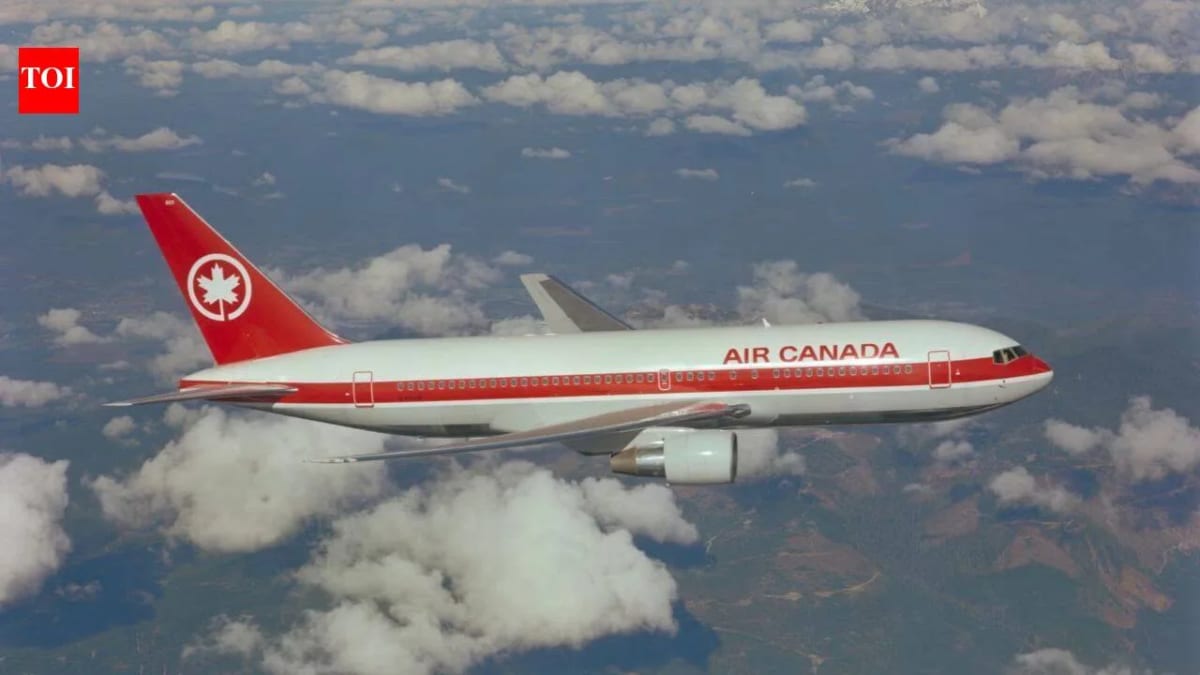
Gimli Glider incident: what happened?
In July 1983 an Air Canada Boeing 767 ran out of fuel at 41,000 feet and the crew glided the aircraft for about 17 minutes before executing an emergency landing on the gimli glider site, a former military runway turned race track. All 69 occupants survived with only minor injuries.
Fuel conversion error caused the crisis
Ground staff in Montreal miscalculated the fuel required because the airline was transitioning to metric units. The digital fuel gauge was inoperative, so workers used a drip‑stick to measure fuel volume in litres. Instead of multiplying the litre reading by 0.8 to obtain kilograms, they applied the imperial factor of 1.77, resulting in roughly 22,300 lb of fuel on board—about 45 % of the 49,200 lb needed for the Montreal‑Ottawa‑Edmonton route.
Loss of power at 41,000 feet
While cruising over Red Lake, Ontario, cockpit warnings indicated low fuel pressure. Captain Robert Pearson and First Officer Maurice Quintal initially suspected a pump failure and considered diverting to Winnipeg. Within minutes both Pratt & Whitney JT9D engines flamed out, shutting down the main generators and leaving only battery‑powered emergency instruments.
Gliding to Gimli Motorsports Park
Realising Winnipeg was unreachable, First Officer Quintal suggested the nearby former RCAF Station Gimli, where he had once trained. Unaware that the base had been repurposed as Gimli Motorsports Park, the crew discovered the runway was partially occupied by a car‑racing event. Captain Pearson, an experienced glider pilot, used a forward slip—rudder and aileron opposite—to increase drag and lose altitude without gaining speed.
Landing on the dragstrip
The aircraft’s landing gear was released manually; the main gear locked, but the nose gear failed to lock fully. The plane touched down on the dragstrip, burst two main‑wheel tyres, and the nose scraped the concrete, creating additional friction. A steel guardrail prevented the aircraft from veering toward spectators. The plane stopped within 3,000 feet, and a small fire near the nose was extinguished by track staff.
Aftermath and safety lessons
All passengers evacuated via slides; only minor injuries were reported. The Aviation Safety Board of Canada concluded that the metric conversion mistake and the faulty fuel‑quantity indicator were primary causes. The incident prompted stricter fuel‑measurement procedures and highlighted the importance of pilot training in emergency gliding techniques.
For further reading on similar emergency procedures, see the Southwest Airlines Flight 3396 diversion article.
Sources: The Times of India.
Frequently asked questions
Why did the Air Canada flight run out of fuel?
How long did the pilots glide the aircraft?
Where did the aircraft make its emergency landing?
What technique did the captain use to slow the plane without engine power?
Related stories
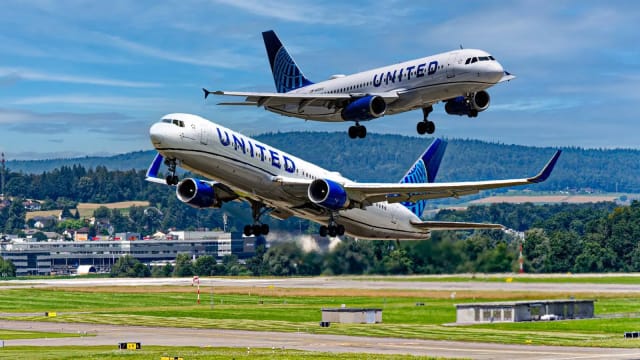
Why United Airlines Saved an Aging Boeing 767 Over a Newer Airbus Jet
United Airlines opted to repair a severely damaged, aging Boeing 767 rather than writing it off like a newer Airbus A320 due to fleet strategy and widebody scarcity.

Unusual Early Polar Vortex Disruption Stirs Weather Concerns
Forecasters report that the polar vortex is weakening unusually early, raising questions about potential winter cold blasts across North America.
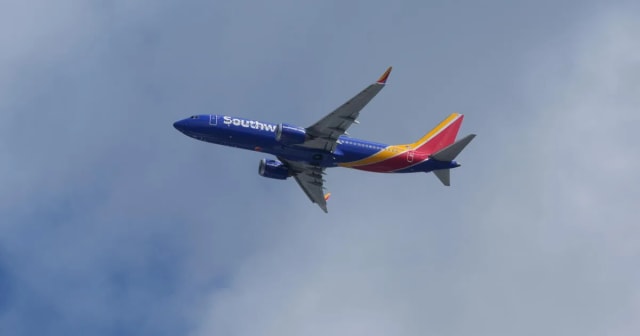
Southwest Airlines Flight 3396 Diversion Declares Emergency to LAX
A commercial flight bound for San Jose was forced to change course and land safely at LAX following an unexpected engine concern shortly after takeoff.

రైలు టికెట్ ధరల తగ్గింపు: 2027 జనవరి నుండి సూపర్ఫాస్ట్ హోదా తొలగింపు
2027 జనవరి నుంచి 40కి పైగా రైళ్లలో సూపర్ఫాస్ట్ స్థాయి తొలగించబడుతుంది, దీనితో రైలు టికెట్ ధరలలో గణనీయమైన తగ్గింపు ఆశించవచ్చు.