

Why United Airlines Saved an Aging Boeing 767 Over a Newer Airbus Jet
United Airlines opted to repair a severely damaged, aging Boeing 767 rather than writing it off like a newer Airbus A320 due to fleet strategy and widebody scarcity.
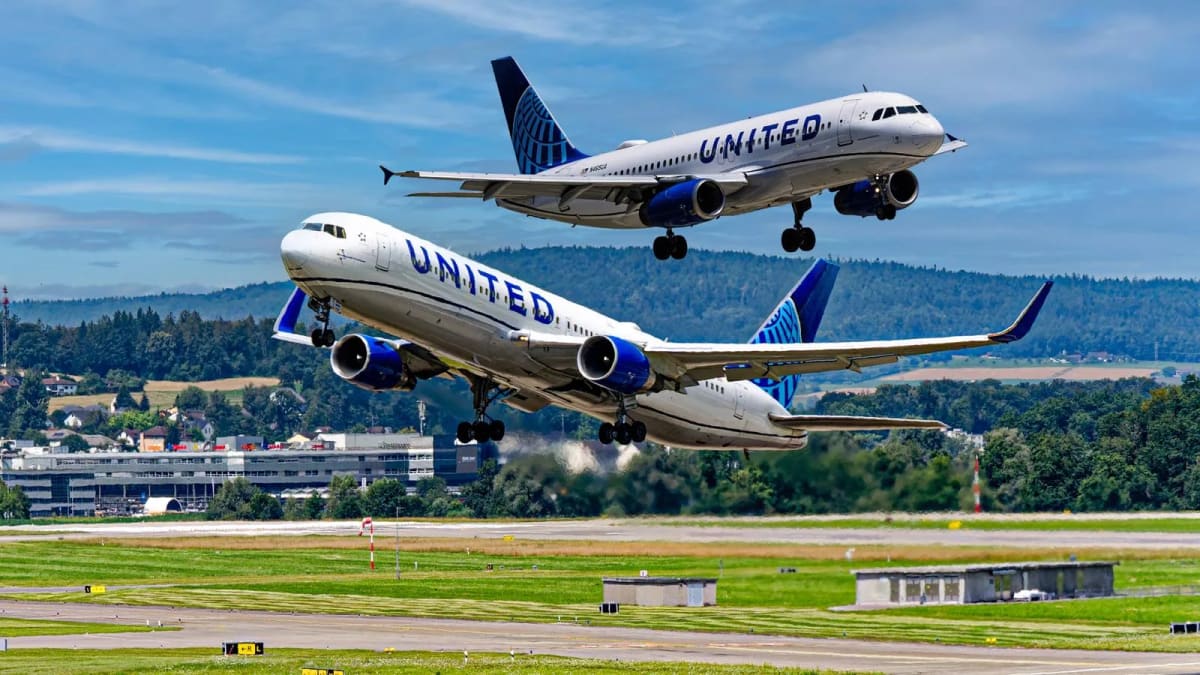
Fleet Strategy Dictates Repair Decisions
United Airlines faced contrasting choices when dealing with severe structural damage to two different aircraft types in recent years. While a relatively young Airbus A320 was recently written off and scrapped following a ground collision with a catering vehicle, an older boeing 767 that sustained heavy damage from a hard landing was successfully repaired and returned to commercial service.
The decision boils down to fleet composition, asset valuation, and the unique strategic importance of long-haul widebody jets versus regional narrowbodies. While the damaged Airbus was deemed too costly to fix relative to its age and utility, maintaining the larger widebody inventory remains critical for international operations.
The Value and Scarcity of Widebody Jets
When assessing aircraft repair costs, airlines must weigh potential expenses against opportunity costs and fleet needs. United maintains a significantly larger narrowbody fleet compared to its widebody collection, meaning the unexpected loss of a single narrowbody can be easily absorbed by adjusting domestic schedules or relying on incoming new deliveries like the Airbus A321neo and Boeing 737 MAX models.
Conversely, widebodies represent a much scarcer resource. During periods when widebody deliveries are slower, retiring a large aircraft directly restricts international growth and long-haul network scheduling. Historical context also highlights unusual operational challenges for the type, echoing past historical events such as the Gimli Glider incident: Air Canada 767 lands safely after fuel miscalculation where flight crews managed extreme in-flight emergencies.
Historical Context and Fleet Demographics
Although the boeing 767 series stands as one of the oldest types in current operation for the carrier—with models averaging over three decades of service—the lack of immediate widebody substitutes during prior operational years made restoration the only viable path to protect international expansion goals.
Ultimately, while everyday travelers might assume newer planes always receive preferential treatment, airline economics regularly prioritize network capacity, asset availability, and long-term routing capabilities over mere calendar age.
Sources: Simple Flying, Simple Flying, The Times of India.
Related stories

Did the Stock Market Crash Today? Nasdaq and Tech Stocks Stage Recovery
Investors are asking did the stock market crash today following a massive multi-trillion dollar rout driven by artificial intelligence anxieties and political shifts.

HDFC Bank Alters Fixed Deposit Rates Before Diwali Offering 7.20 Percent
HDFC Bank has revised its fixed deposit rates ahead of the festive season, offering senior citizens an interest rate of 7.20 percent. General depositors can also check the updated…
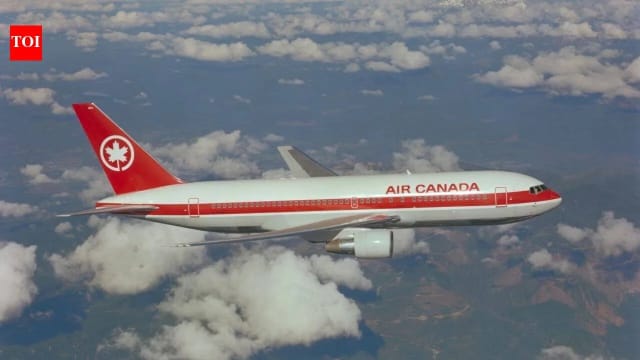
Gimli Glider Incident: Air Canada 767 Lands Safely After Fuel Miscalculation
Air Canada’s 1983 Boeing 767 ran out of fuel at 41,000 ft and glided for 17 minutes before an emergency landing on the Gimli motorsport track, with all aboard surviving.

गेहूँ की कीमतों में उछال, दिल्ली के बाजार में पहुंचा नया स्तर
दिल्ली के बाजारों में गेहूँ की कीमतें इस सीजन के उच्चतम स्तर पर पहुंच गई हैं। सरकार द्वारा ओएमएसएस के तहत दूसरी बिक्री निविदा जारी किए जाने के बावजूद दाम लगातार बढ़ रहे हैं।