

USDA Ready to Eat Meat Recall Affects Millions of Pounds of Products
Kayem Foods has voluntarily recalled over 1.5 million pounds of meat products after a cooling system malfunction at its warehouse cooler.
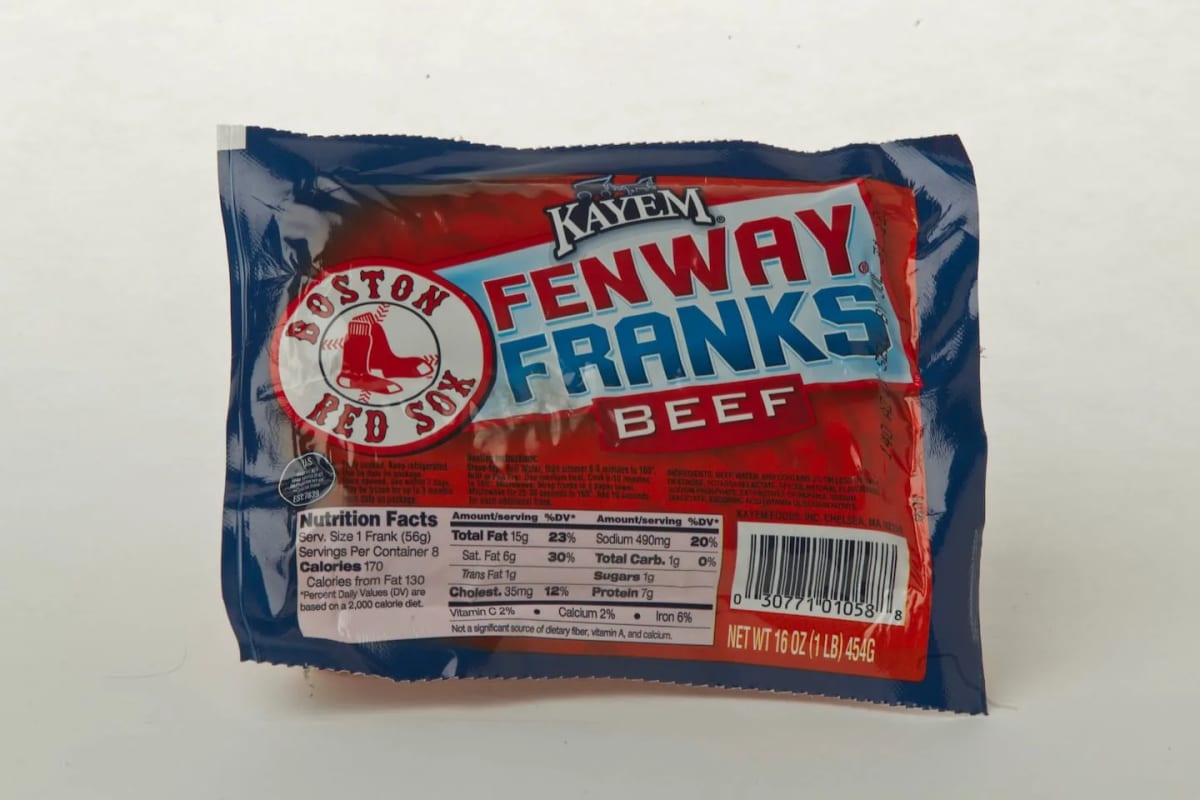
Overview of the USDA Ready to Eat Meat Recall
The U.S. Department of Agriculture announced a massive safety action involving dozens of pork, beef, and chicken items distributed by Chelsea-based Kayem Foods Inc. This sweeping usda ready to eat meat recall impacts more than 1.5 million pounds of food products that were shipped to stores, food service locations across the United States, and Hong Kong.
Items included in the alert were shipped between June 7, 2026, and October 14, 2026. Federal regulators and company officials emphasize that consumers should check their refrigerators and freezers for potentially affected merchandise.
Details on Kayem Foods and Affected Items
The company behind the popular brand known for Fenway Franks launched the voluntary action following a retail store complaint regarding warm product temperatures at delivery on October 1. An internal investigation revealed that various items had been stored in a facility cooler experiencing temperature deviations triggered by a cooling system malfunction.
As part of the deli meat recall and broader inventory check, dozens of item labels are affected. Alongside hot dogs, the impacted goods feature items such as sausages, bacon, hams, chicken sausage, bologna, beef brisket, corned beef, and liverwurst.
Safety Guidelines and Consumer Advice
Federal food safety teams have expressed concern that individuals might still possess these goods in their homes. Anyone who purchased a hot dog or other affected items from the manufacturer is urged not to eat them. Instead, consumers should discard the merchandise or bring it back to the original place of purchase.
Company representatives noted that management takes full responsibility for the incident and has corrected the underlying issue. Wholesale and retail customers are being contacted directly with specific instructions to identify and dispose of the items safely. Although no confirmed illnesses have been linked to the goods, anyone with health concerns is advised to consult a medical professional.
Sources: The Boston Globe, Boston.com, Fox Business.
Frequently asked questions
What caused the USDA ready to eat meat recall?
How many pounds of meat are affected by the Kayem Foods recall?
Have there been any illnesses reported from the recalled meat?
What should consumers do if they purchased the recalled items?
Related stories

Lotus Little Lotus Nominated as Newcomer While Restaurants Struggle
Little Lotus in New Haven earned a finalist spot for the CRAZIES best newcomer award, yet the eatery faces declining sales as Connecticut’s restaurant sector grapples with soaring…

ಪಿಂಚಣಿ ಮತ್ತು ವೇತನ ಮಿತಿಯ ನವೀಕರಣ: ಉದ್ಯೋಗದಾತರಿಗೆ ಅಕ್ಟೋಬರ್ 31 ಕೊನೆಯ ದಿನಾಂಕ
EPFO ಸೆಪ್ಟೆಂಬರ್ 2026 ಇಸಿಆರ್ ಗಡುವನ್ನು ಅಕ್ಟೋಬರ್ 31ಕ್ಕೆ ವಿಸ್ತರಿಸಿದೆ, ಹಾಗೂ ಮಾಸಿಕ ವೇತನ ಮಿತಿಯನ್ನು ₹15,000ರಿಂದ ₹25,000ಕ್ಕೆ ಹೆಚ್ಚಿಸಿದೆ, ಇದರಿಂದ ಪಿಂಚಣಿ ಮತ್ತು ಪಿಎಫ್ ಕೊಡುಗೆಗಳಲ್ಲಿ ಮಹತ್ವದ…

Google Expands Voluntary Buyouts to Multiple Countries Amid AI Focus
Google has rolled out voluntary buyout offers to select workers across five additional countries as the tech giant manages expenses and prioritizes artificial intelligence.

सौर ऊर्जा से 455 कृषि पंपों को शक्ति: औरंगाबाद के किसान श्यामजी की 1 MW योजना
औरंगाबाद के घटराइन गाँव में पीएम‑कुसुम योजना के तहत 1 MW सौर ऊर्जा संयंत्र का सफलतापूर्वक कमीशनिंग हुआ, जिससे 455 कृषि पंपों को बिजली मिलेगी।