

8th Pay Commission Pension Commutation Developments and Updates
A look at recent developments regarding the 8th pay commission pension commutation discussions, stakeholder inputs, and ongoing timelines.

Overview of the 8th Pay Commission Progress
The blueprint and responsibilities of the 8th Pay Commission were officially established when its Terms of Reference were notified on November 3, 2025. This notification outlined the primary tasks, deadline, and leadership of the panel, setting the stage for wide-ranging administrative reviews affecting central government employees and retired personnel, including matters related to the 8th pay commission pension commutation.
Over the past year, the commission has actively engaged with numerous employee bodies, pensioner organizations, and various stakeholders across the country to gather input for its comprehensive evaluation.
Structure and Timeline of the Panel
Operating under an 18-month deadline concluding on May 3, 2027, the three-member commission is led by Chairperson Justice Ranjana Prakash Desai. Alongside her are part-time member Professor Pulak Ghosh and member-secretary Pankaj Jain. Their mandate includes formulating recommendations on wages, pensions, allowances, and broader service conditions.
To streamline public and institutional feedback, the commission launched an 18-question questionnaire on February 5, 2026, allowing departments, associations, and researchers to share insights until March 31, 2026. Following this, a memorandum submission window opened on March 5, 2026, which underwent multiple extensions through April and May to accommodate extensive expectations from stakeholders.
Stakeholder Demands and Consultations
Employee representatives have put forward substantial financial proposals. Notably, the National Council for Central Government Employees (NC-JCM staff side) recommended a minimum basic pay of Rs 69,000 alongside a 3.833 fitment factor in their memorandum. Additional suggestions included setting the minimum pension at 67 percent of the last drawn basic pay, a 6 percent annual increment, house rent allowance revisions, and merging dearness allowance when it reaches 25 percent.
Alongside formal submissions, physical stakeholder consultations commenced in Dehradun on April 24, 2026, and extended to multiple cities nationwide, concluding regional meetings in Mumbai by late October 2026. Once the final report is compiled, it will require formal approval from the cabinet and notification by the Finance Ministry before new wage and pension structures are implemented.
Sources: The Economic Times, The Economic Times, Whispers in the Corridors, Livemint.
Frequently asked questions
When were the Terms of Reference for the 8th Pay Commission notified?
Who is the chairperson of the 8th Pay Commission?
What was the deadline given to the commission to submit its report?
What were some key demands submitted by the NC-JCM?
Related stories
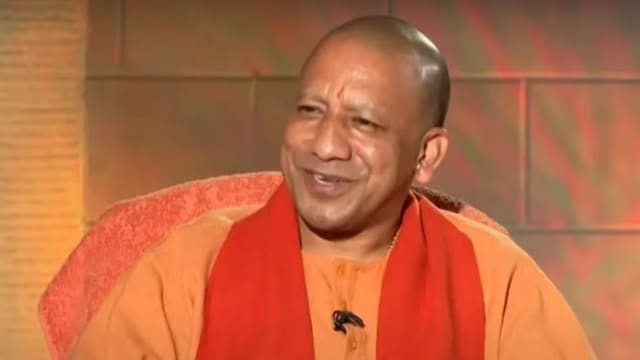
प्रधानमंत्री उज्वला: Uttar Pradesh Women Receive LPG Refill Subsidy
Uttar Pradesh authorities have disbursed cooking gas refill subsidies to over 1.89 million families ahead of the festive season.
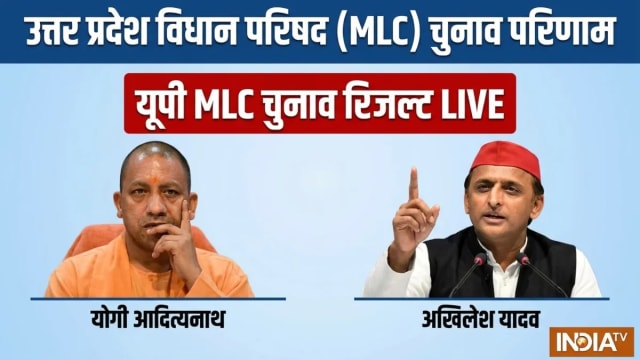
Understanding Public Interest in Kyle Jamieson Amid Regional Voting Updates
Public curiosity around sports figures like kyle jamieson remains high while regional voting results unfold across multiple constituencies.
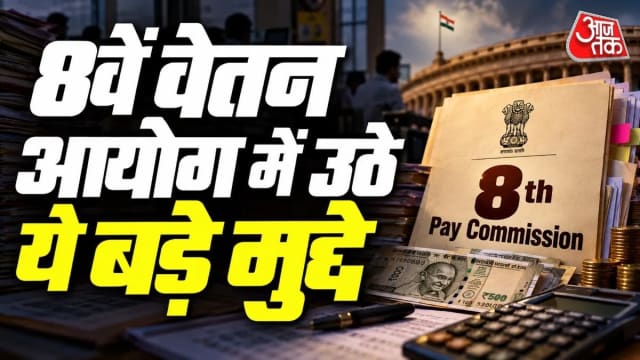
वेतन आयोग की सिफारिशों से पहले केंद्रीय कर्मचारियों की बड़ी मांगें सामने आईं
केंद्रीय कर्मचारियों और पेंशनरों को नए वेतन आयोग की सिफारिशों का इंतजार है, जबकि संगठनों ने भत्तों और महंगाई भत्ते में बदलाव के प्रस्ताव दिए हैं।
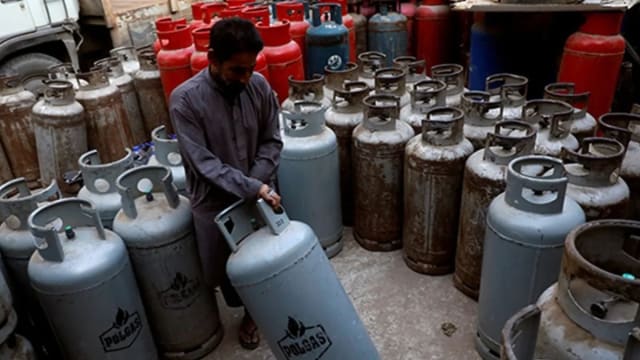
पाकिस्तान में LPG कीमतों में 50 रुपये की वृद्धि, कराची में उपभोक्ताओं पर बढ़ता दबाव
कराची में LPG के किलोग्राम की कीमत 550 रुपये तक पहुंच गई, जिससे घरों के बजट पर सीधा असर पड़ा। ईरान सीमा बंद होने और आपूर्ति समस्याओं को कारण बताया गया।