Delhi Flag March Detentions and Releases
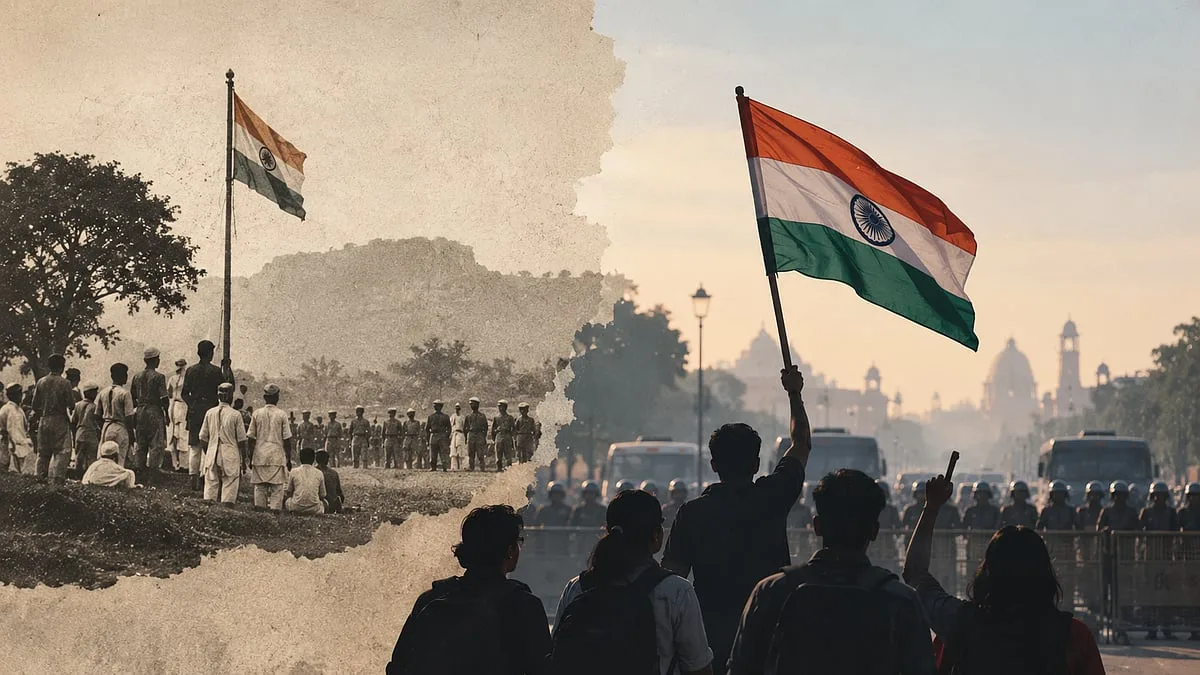
A recent demonstration in Delhi involving approximately two thousand individuals holding the national flag has drawn widespread attention. Amid discussions often intersecting with groups like the aam aadmi party, participants of the Lehra Do Tiranga march faced active police intervention in Connaught Circus on October 16.
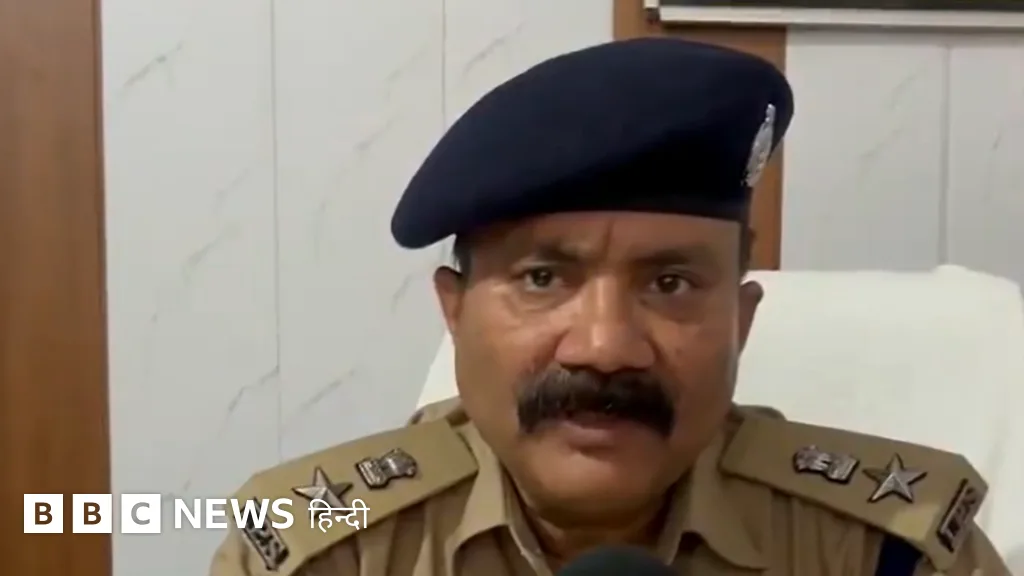
Leaders of the gathering, including Cockroach Janata Party founder Abhijit Dipke and Neha Vora of the All India Students Organisation, were detained by law enforcement. Following legal efforts through the night, Neha Vora was released on the morning of October 17, while the Delhi Executive Magistrate Court subsequently ordered the release of Abhijeet Dipke.
Historical Parallels and Police Actions
Observers and commentators have compared the heavy police response during the Delhi youth march to historical crackdowns on flag-hoisting demonstrations. Specifically, analysts pointed to the April 25, 1938 police firing in the Mysore princely State's Vidurashwatha village, where individuals gathered for the Flag Satyagraha.
The 1938 incident, which resulted in significant casualties, remains a historical reference point for protests involving the national tricolour. Commentators noted that Mahatma Gandhi had previously addressed that historical era, emphasizing the significance of representative governance and public demonstrations concerning electoral integrity and constitutional rights.
Concerns Over Electoral Rolls and Public Protests
The recent street demonstrations in Delhi also highlight broader grievances regarding electoral processes. Protesters voiced concerns over the implementation of mechanisms affecting voter rolls, arguing that algorithm-based removals and logistical discrepancies have disenfranchised sections of the population, including women and minority groups.
As discussions continue following the weekend detentions, public scrutiny remains focused on the rights of citizens to assemble peacefully, wave the national flag, and question administrative and electoral frameworks under the current central administration.
Sources: The Leaflet, NDTV, Live Law.