

California Propositions: Key Measures Called, Passed and Still Undecided
California voters have confirmed several high‑profile ballot measures while others remain too close to call, leaving the final outcome of multiple propositions uncertain.
Overview of the 2026 California ballot
Voters in California have approved several major measures while a number of propositions remain in a tight race, leaving the final tally uncertain as poll workers continue counting ballots statewide.
Propositions that have been called
The Associated Press has declared four measures as decided: Propositions 1, 2, 3 and 37. In addition, two initiatives—numbers 39 and 44—have been officially rejected.
Proposition 1
This bond measure authorizes $11.25 billion for affordable housing, earmarking $1.25 billion for veteran housing.
Proposition 2
Voters approved a plan to double the state’s rainy‑day reserve from 10 percent to 20 percent of general‑fund revenues, strengthening fiscal stability.
Proposition 3
Proposition 3 extends a high‑income tax increase on the state’s top earners, directing the bulk of the revenue—89 percent—to K‑12 schools and the remainder to community colleges.
Proposition 37
Approved by a clear margin, this initiative permits up to $25 billion in bonds to create a loan program that helps middle‑income Californians purchase newly built homes, with borrowers able to finance up to 17 percent of the price.
Measures still too close to call
Eight propositions have not yet been decided. Among them, Proposition 4, which would allow state and local governments to spend public money on political campaigns under strict limits, is currently trailing.
Proposition 5 seeks to separate the recall vote from the selection of a successor, creating a separate election or appointment process. At the moment, support holds a narrow lead.
Proposition 38, aimed at issuing $8.4 billion in bonds for immunology and immunotherapy research, is leaning toward passage.
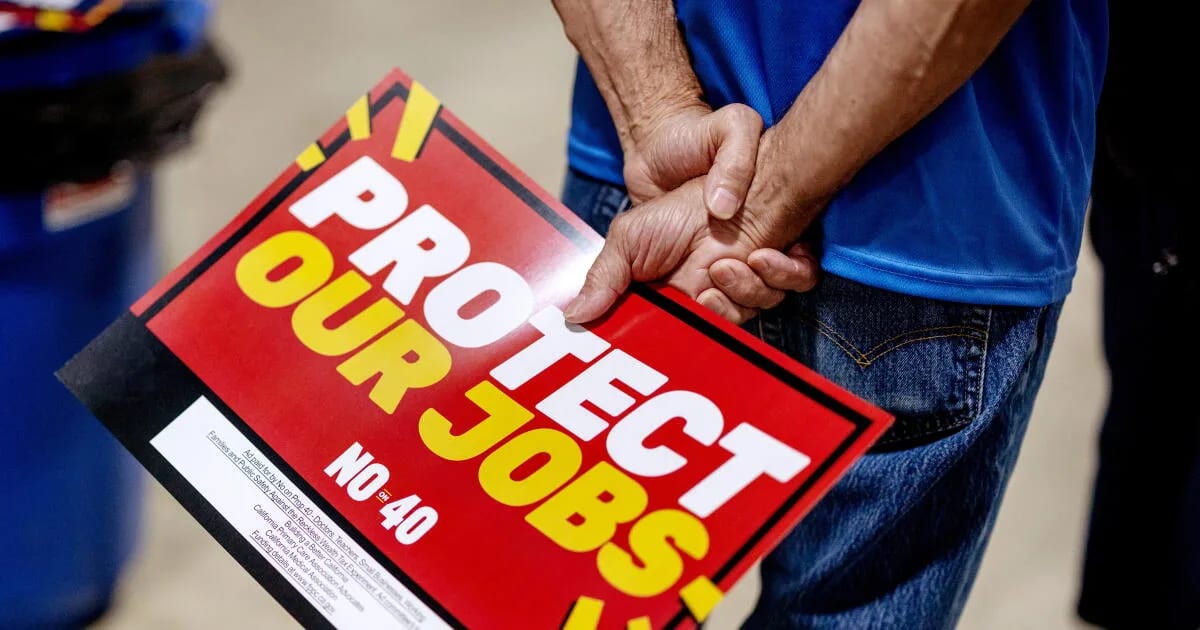
Proposition 40, the “billionaire tax,” is trending toward rejection, despite estimates that it could generate tens of billions for health, food assistance and education. Governor Gavin Newsom and other officials warned the tax could prompt wealthy residents to leave the state.
Related measures—Propositions 41 and 42—intended to counteract the wealth tax are also within a razor‑thin margin, as is Proposition 43, which would raise the threshold for local tax approvals from a simple majority to two‑thirds.
Proposition 45, which would amend the California Environmental Quality Act by shortening review timelines, was opposed by a small margin but remains undecided, reflecting a split between housing‑affordability concerns and environmental protection worries.
Context and next steps
Election analysts note that the emerging results align with pre‑election polling, showing no major surprises. The final outcomes for the undecided measures will depend on the continued counting of absentee and mail‑in ballots, a process that could extend into the next few days.
As the state finalizes these decisions, the impact on housing policy, fiscal reserves, tax structure and research funding will become clearer, shaping California’s budget and regulatory landscape for years to come.
Sources: Los Angeles Times, CalMatters, The New York Times.
Frequently asked questions
Which California propositions were officially called by the Associated Press?
What does Proposition 4 propose and what is its current status?
What are the main features of Proposition 38 and its voting trend?
Why is Proposition 40, the so‑called “billionaire tax,” considered controversial?
Related stories

India Records a Dip in Foreign Exchange Reserves by $2.69 Billion
India's foreign exchange reserves decreased by $2.69 billion to stand at $717 billion during the week ending October 30, according to official figures.

Texas Tech Holds Off West Virginia in High-Scoring 53-48 Thriller
Thomas Castellanos threw five touchdowns to lead No. 13 Texas Tech past West Virginia 53-48 in an intense late-night Big 12 offensive battle.

Atlanta Hawks Overcome Early Deficit to Beat Brooklyn Nets in Thriller
The Atlanta Hawks overcame a massive early deficit to secure a 124-121 victory over the Brooklyn Nets on Saturday night, led by Jalen Johnson's 30 points.

कर्ज माफी: New Rules Announced for Crop Loan Waivers and Relief
The government has introduced major revisions to its agricultural loan waiver initiative, offering complete clearing of debts up to 75,000 rupees for eligible growers.